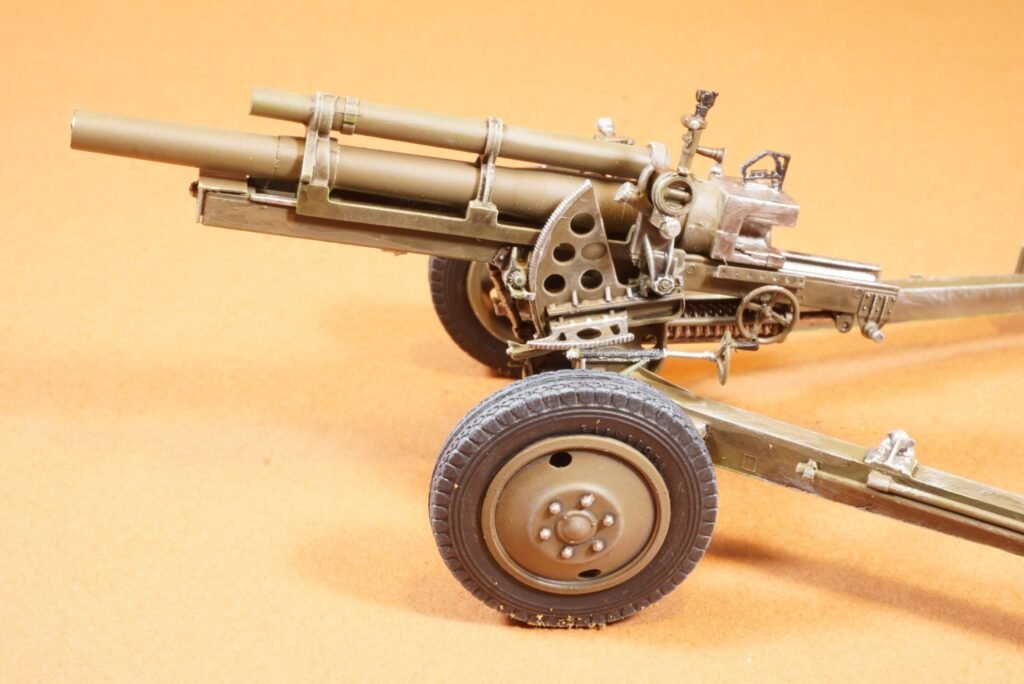
Off bench on Dec 24, 2024. 105CM M2A1 Howitzer (M101)
The M101A1 (previously designated Howitzer M2A2 on Carriage M2A2) howitzer is an artillery piece developed and used by the United States. It was the standard U.S. light field howitzer in World War II and saw action in both the European and Pacific theaters and during the Korean War. Entering production in 1941, it quickly gained a reputation for accuracy and a powerful punch. The M101A1 fires 105 mm high explosive (HE) semi-fixed ammunition and has a range of 12,330 yards, making it suitable for supporting infantry.
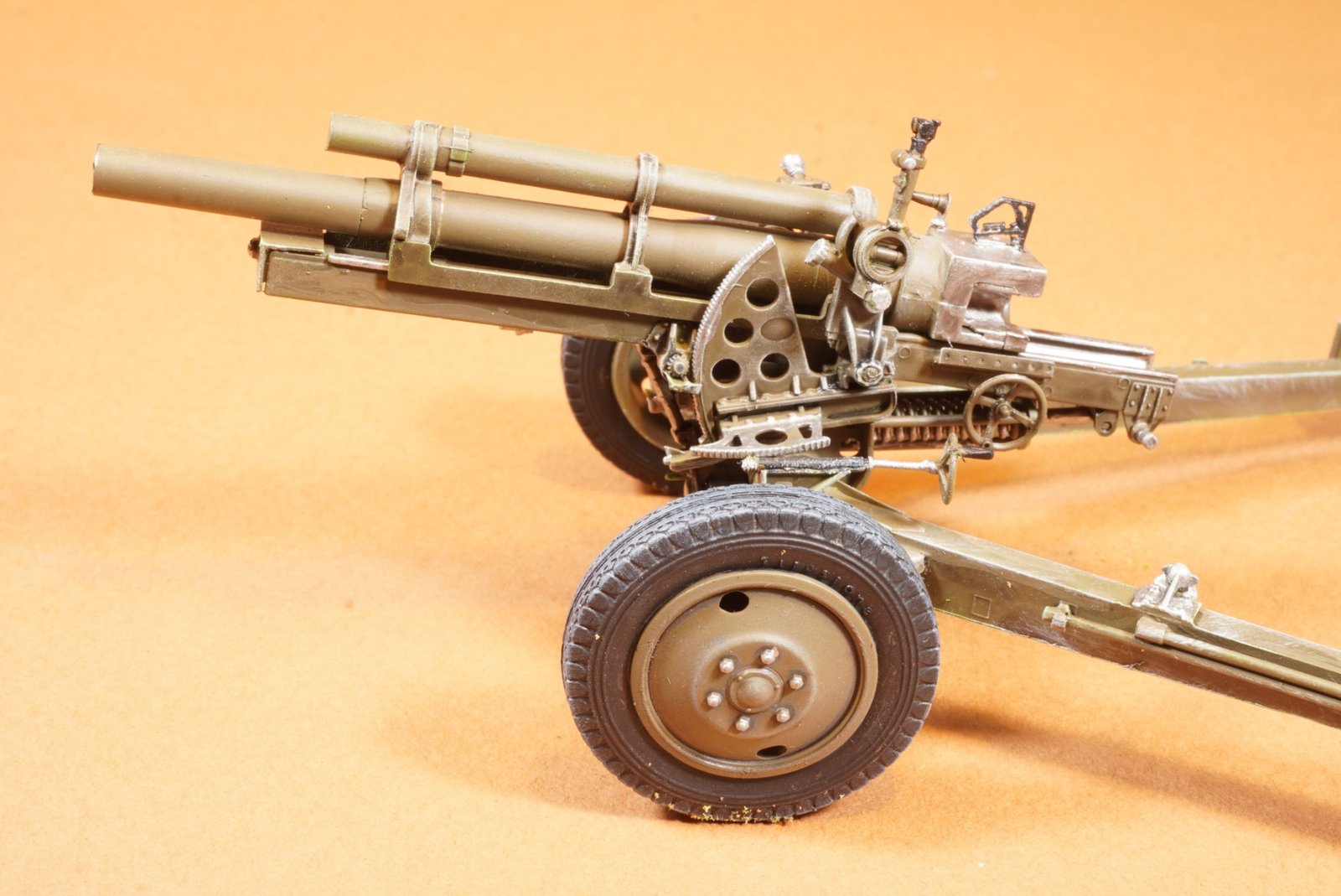
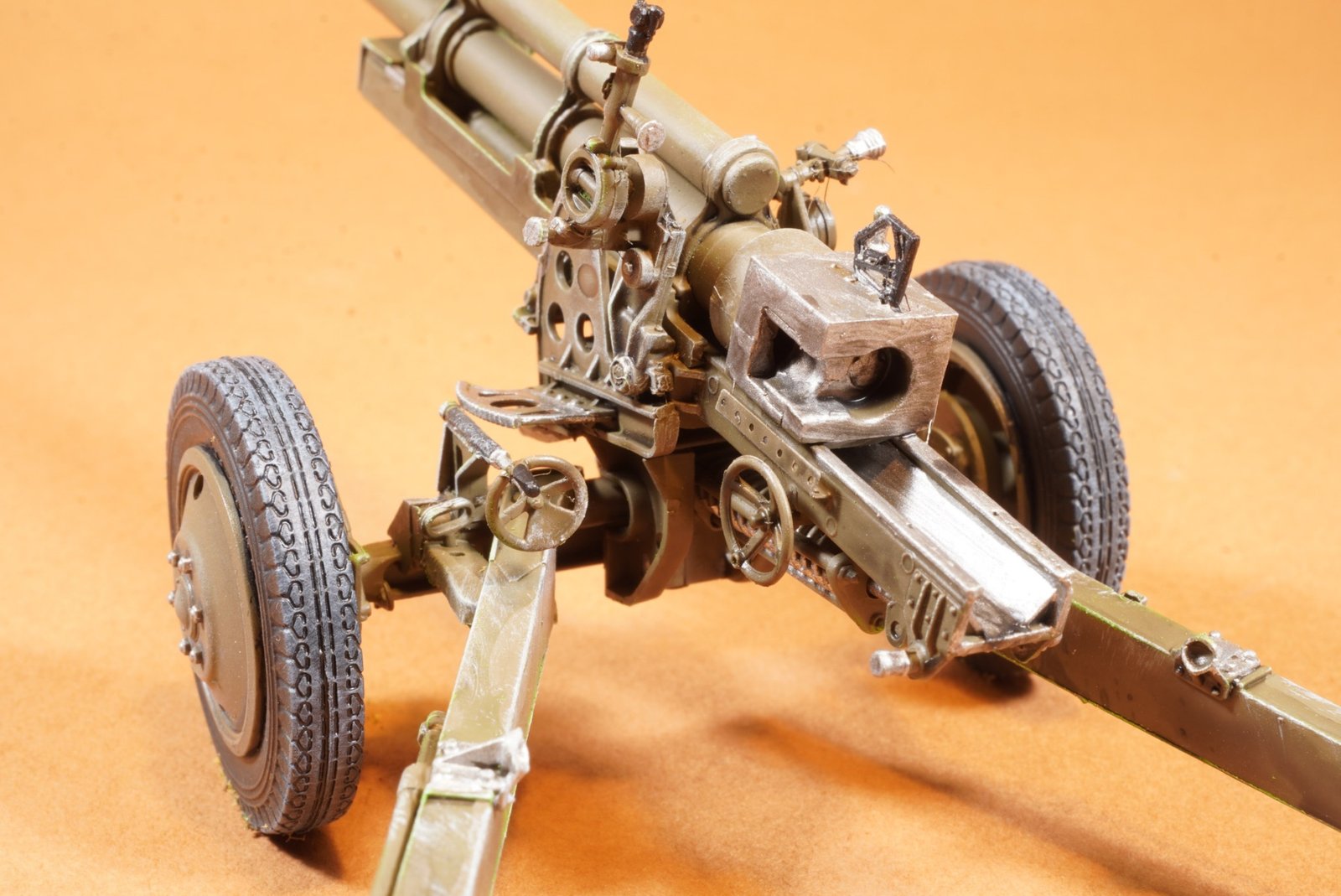
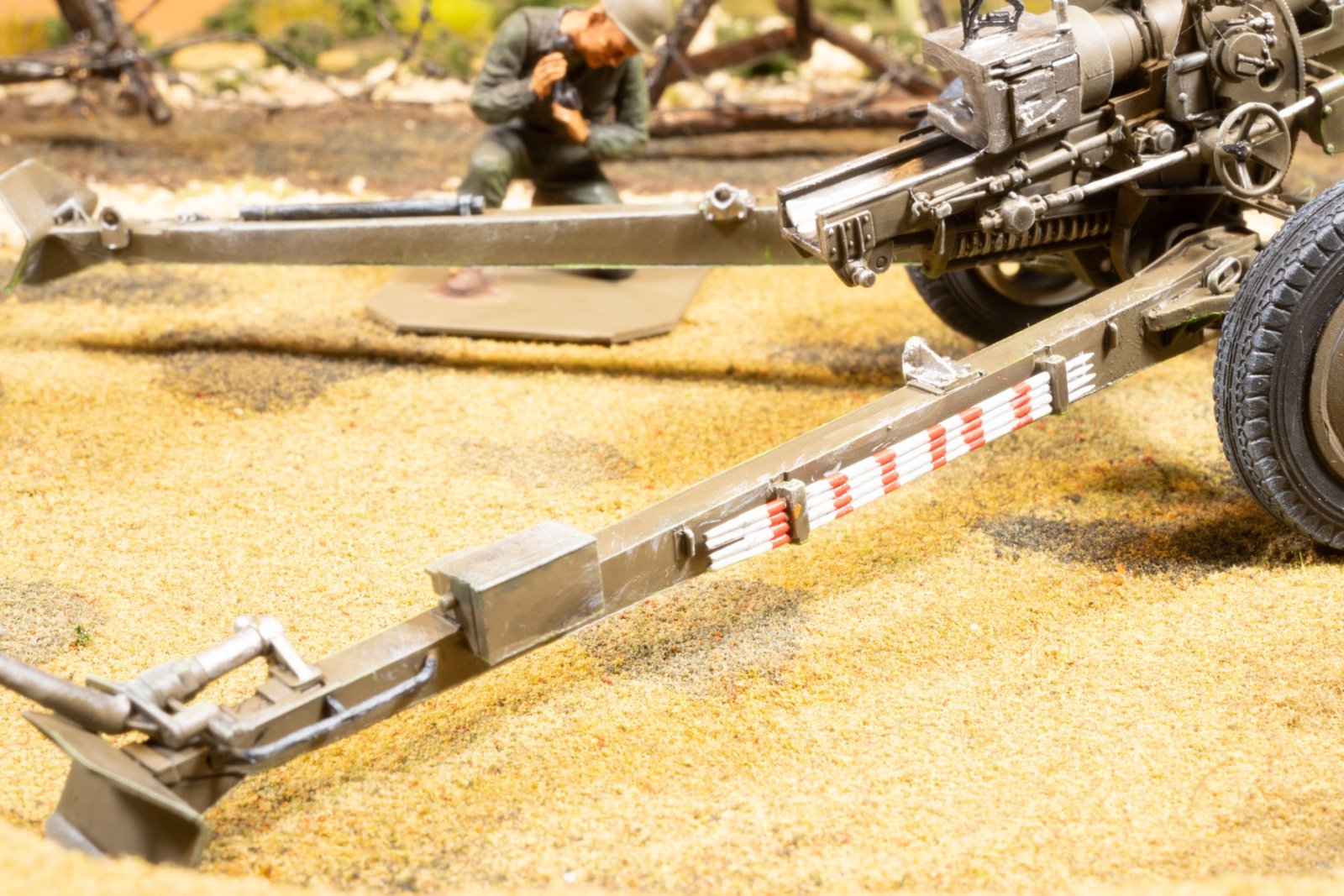
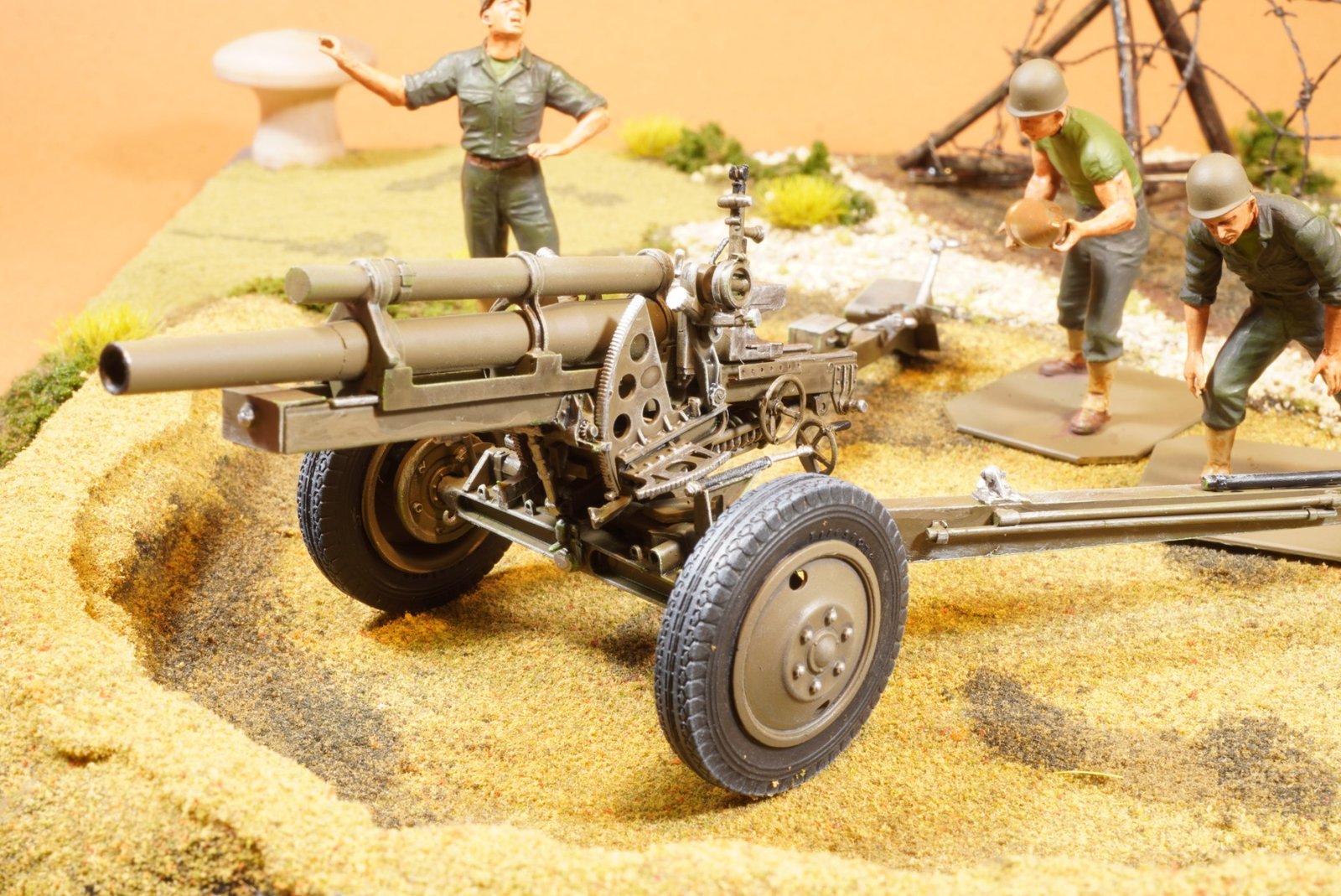
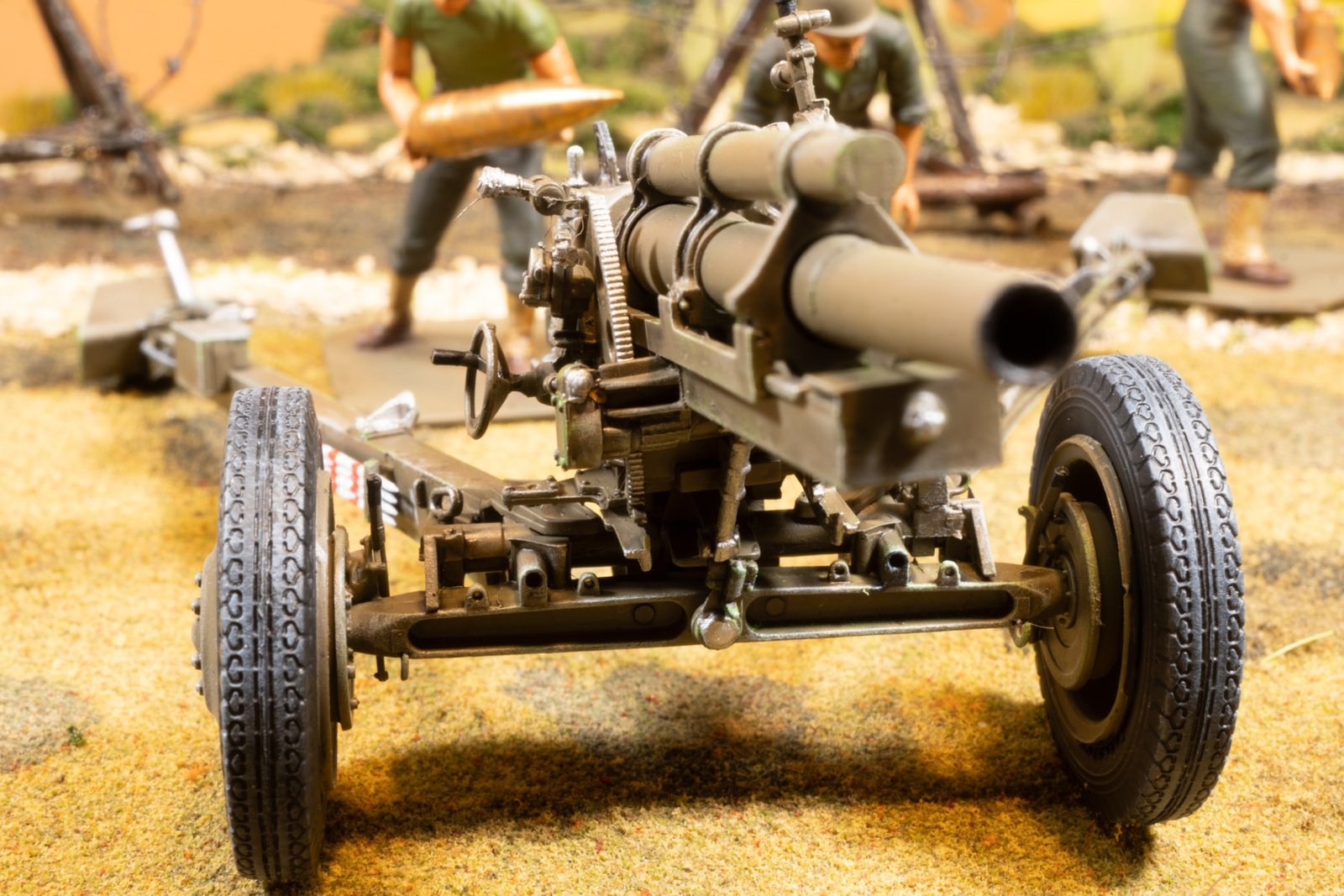
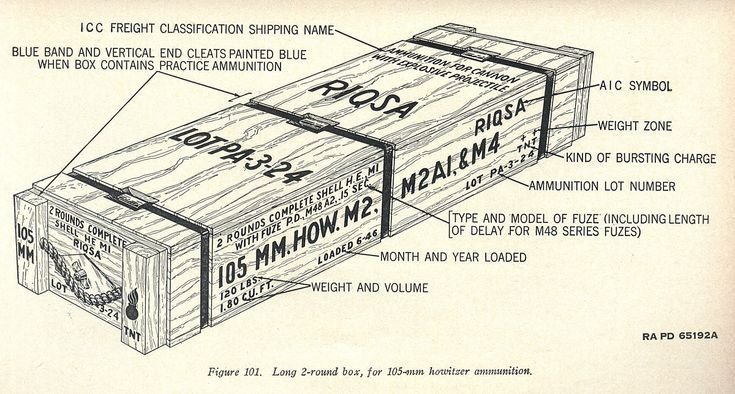
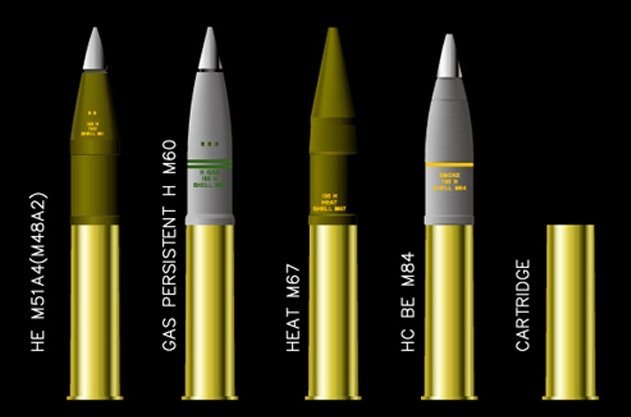
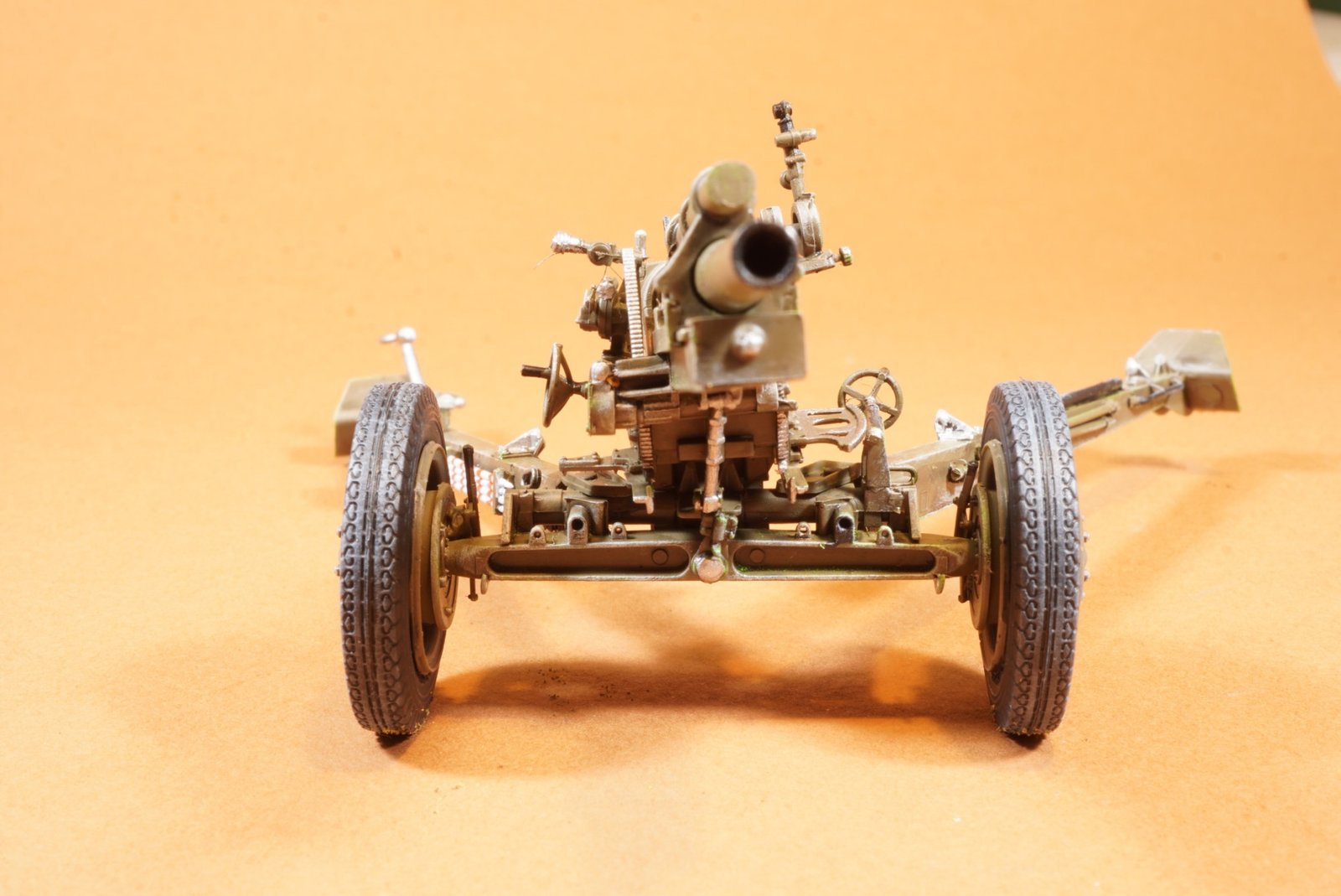
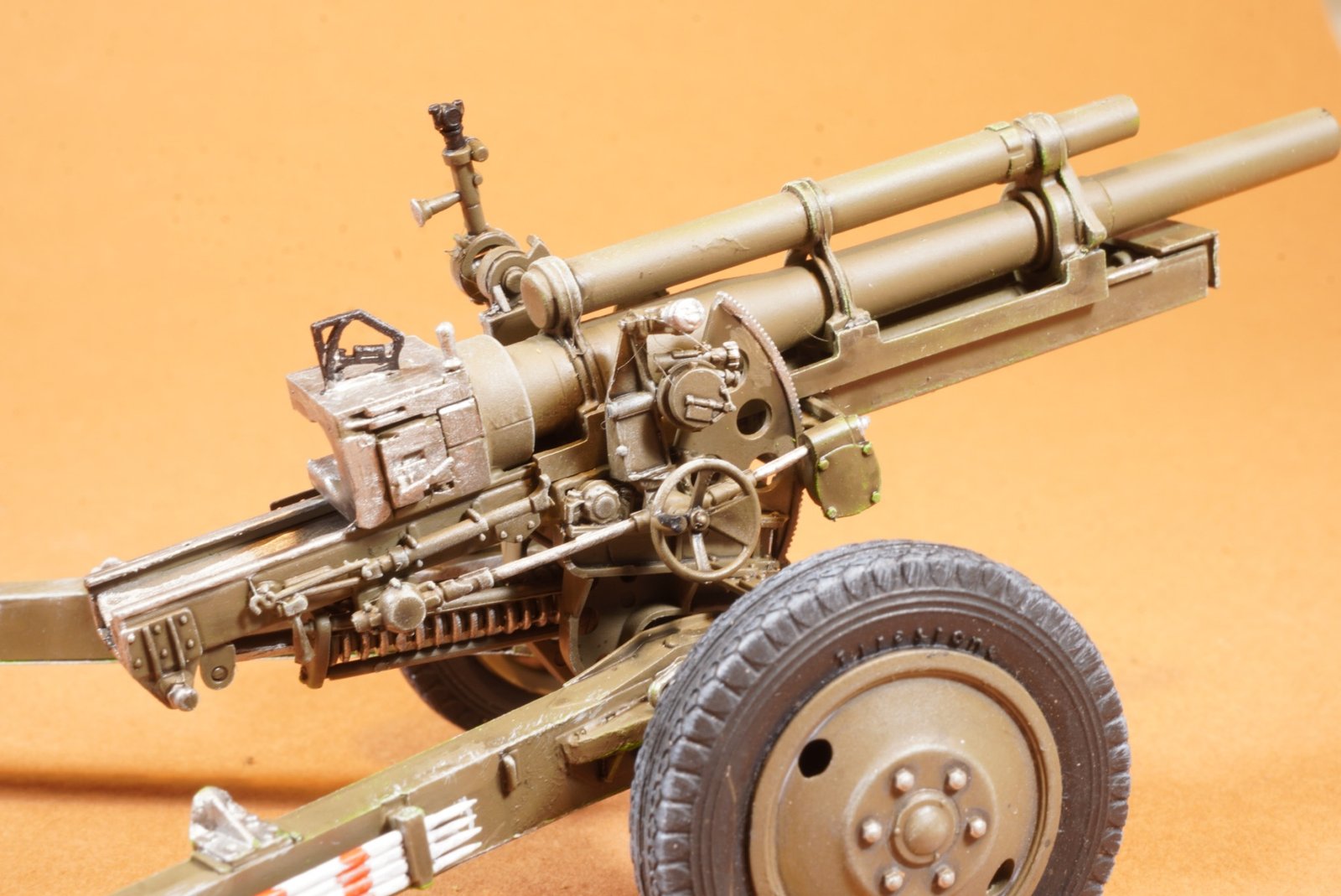
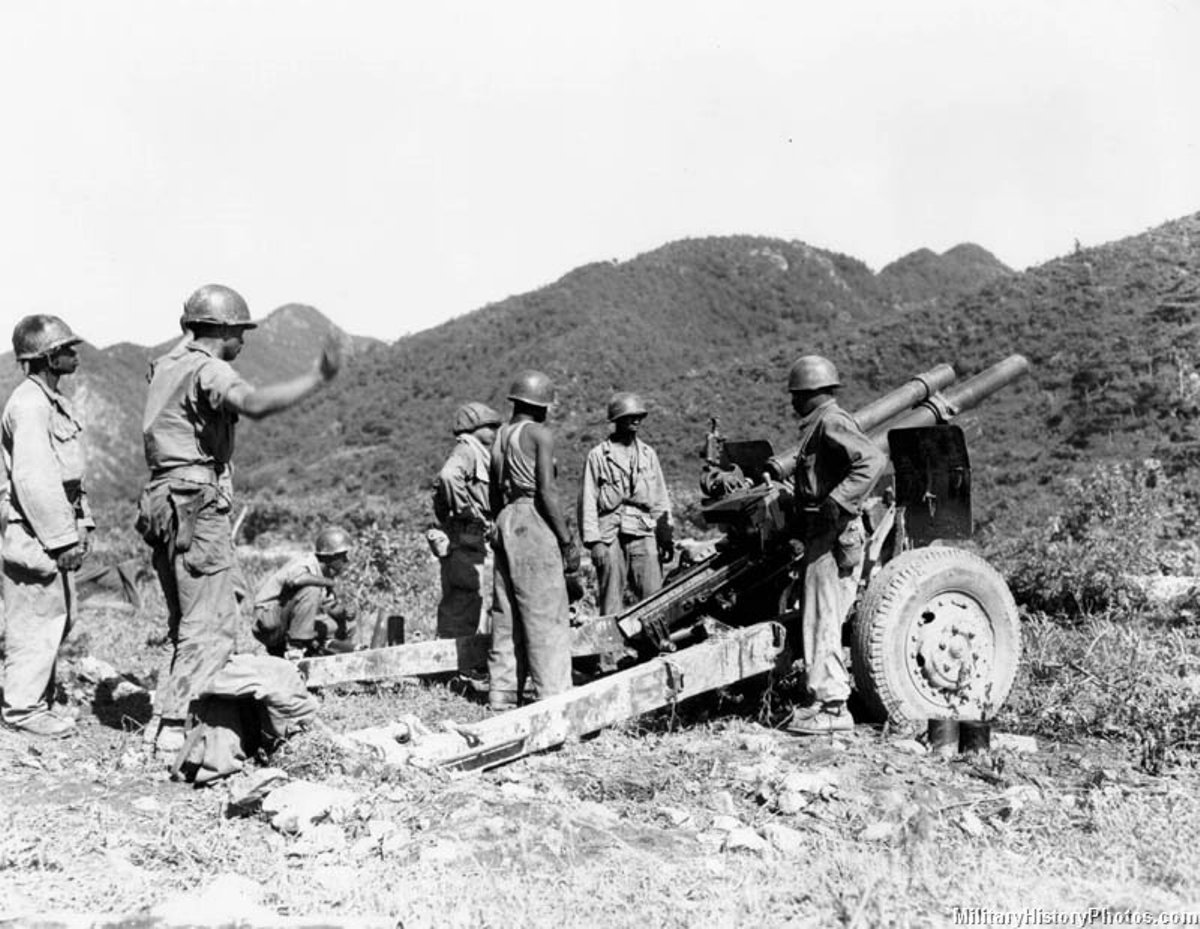
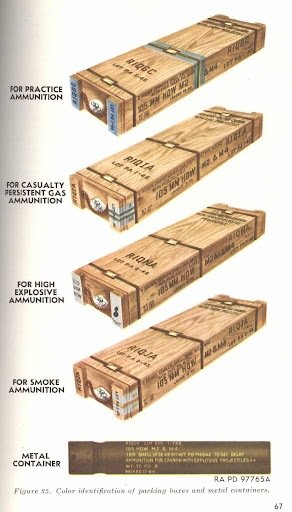
A modified version of the M1 was trialed in 1932 which used semi-fixed ammunition instead of separate-loading ammunition. Since this development required a different breech block, the new piece was designated the 105 mm howitzer M2 on carriage M1. 48 pieces were manufactured in 1939. The original M1 carriage had been designed for towing using horses rather than trucks, and a new carriage, the T5 (M2), was developed in 1939 and standardized in February 1940. The breech ring of the howitzer M2 was modified in March 1940 before large-scale production began, creating the 105 mm howitzer M2A1 on carriage M2.
In 1939, the new howitzer cost $25,000, which was three times more than a 75 mm field gun M1897 on M2 carriage, and its adoption required procurement of a colossal amount of new ammunition (War Department estimate of $26 million).
The gun was designed to be very durable and was therefore heavy for its caliber, but studies after 1943 found that after prolonged firing, the muzzle end of the barrel was prone to cracking. To relieve stress in the barrel, new production M2A1 tubes were counterbored two inches from the muzzle starting in the late 1940s. By the end of World War II, 8,536 105 mm towed howitzers had been built and post-war production continued at Rock Island Arsenal until 1953, by which time 10,202 had been built.
In 1953, the new howitzer M2A2 was standardized to further increase the life of the howitzer at the cost of some muzzle velocity. The M2A2’s barrel had a higher strength breech ring, deeper rifling grooves, and shallower rifling taper than the M2A1’s barrel, resulting in a 50 percent more effective full charge barrel life than the M2A1.
In November 1960, U.S. military artillery designation system began to change, where howitzer M2A1 or M2A2 on carriage M2A1 were renamed the M101 and howitzer M2A1 or M2A2 on carriage M2A2 were renamed the M101A1. This howitzer continued to see service through the Vietnam War. Though the successor M102 howitzer was adopted in 1964, both M101 and M102 shared similar roles in battle and the M101A1 was never fully replaced in front-line service until the adoption of the M119 howitzer. Today, the M101A1 has been retired by the U.S. military, though it continues to see service with many other countries.