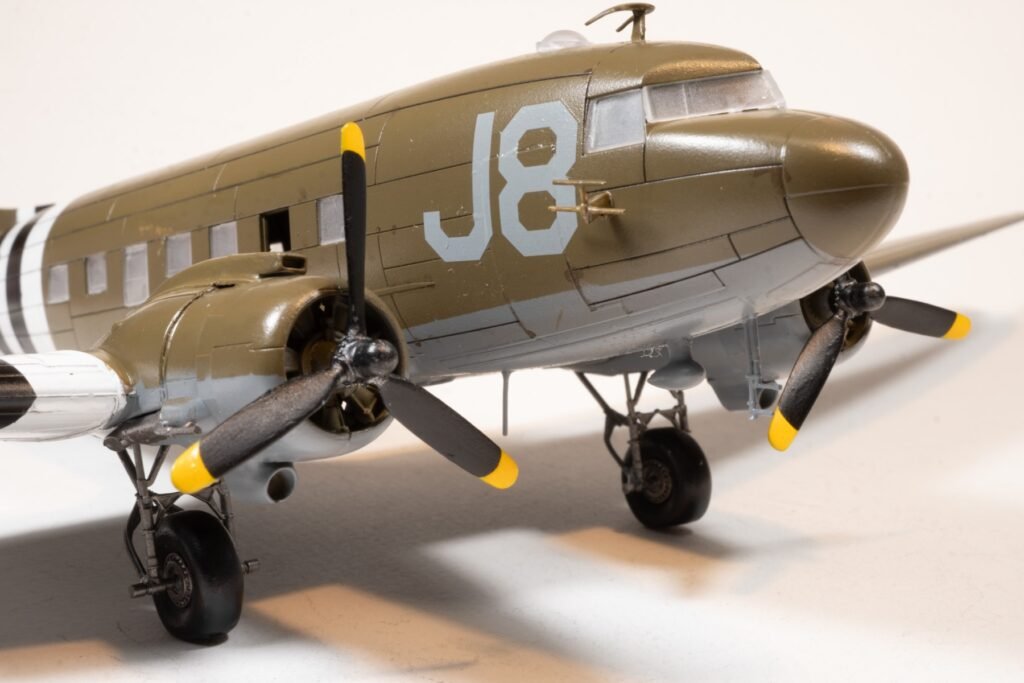
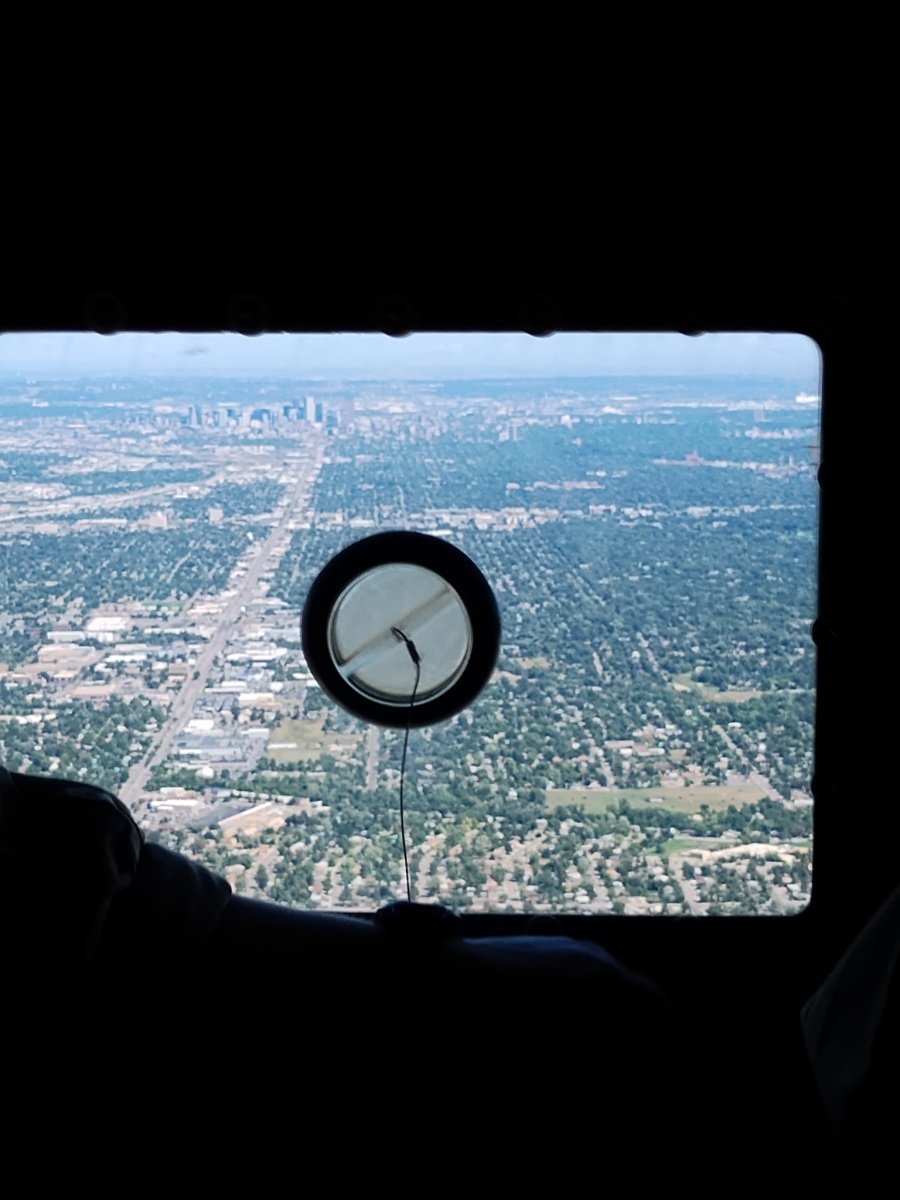
Your author had the great privilege to fly in the C-47 plane in September 2023. The Commemorative Air Force tours the county with a restored plane used to lead the Normandy Invasion of WWII. Called ‘That’s All Brother”, the restored plane has the paint scheme used by Allied forces during the Normandy invasion. One photo album contains shots of the Model I built after this actual ride. Another Album has photos from the Centennial Airport where guests and myself boarded the C-47 for a ride around.
C-47 Skytrain
The Douglas C-47 Skytrain is a military transport aircraft developed from the civilian Douglas DC-3 airliner. It was used extensively by the Allies during World War II. During the war the C-47 was used for troop transport, cargo, paratrooper, for towing gliders and military cargo parachute drops. The C-47 remained in front-line service with various military operators for many years.
Approximately 100 countries’ armed forces have operated the C-47 with over 60 variants of the aircraft produced.
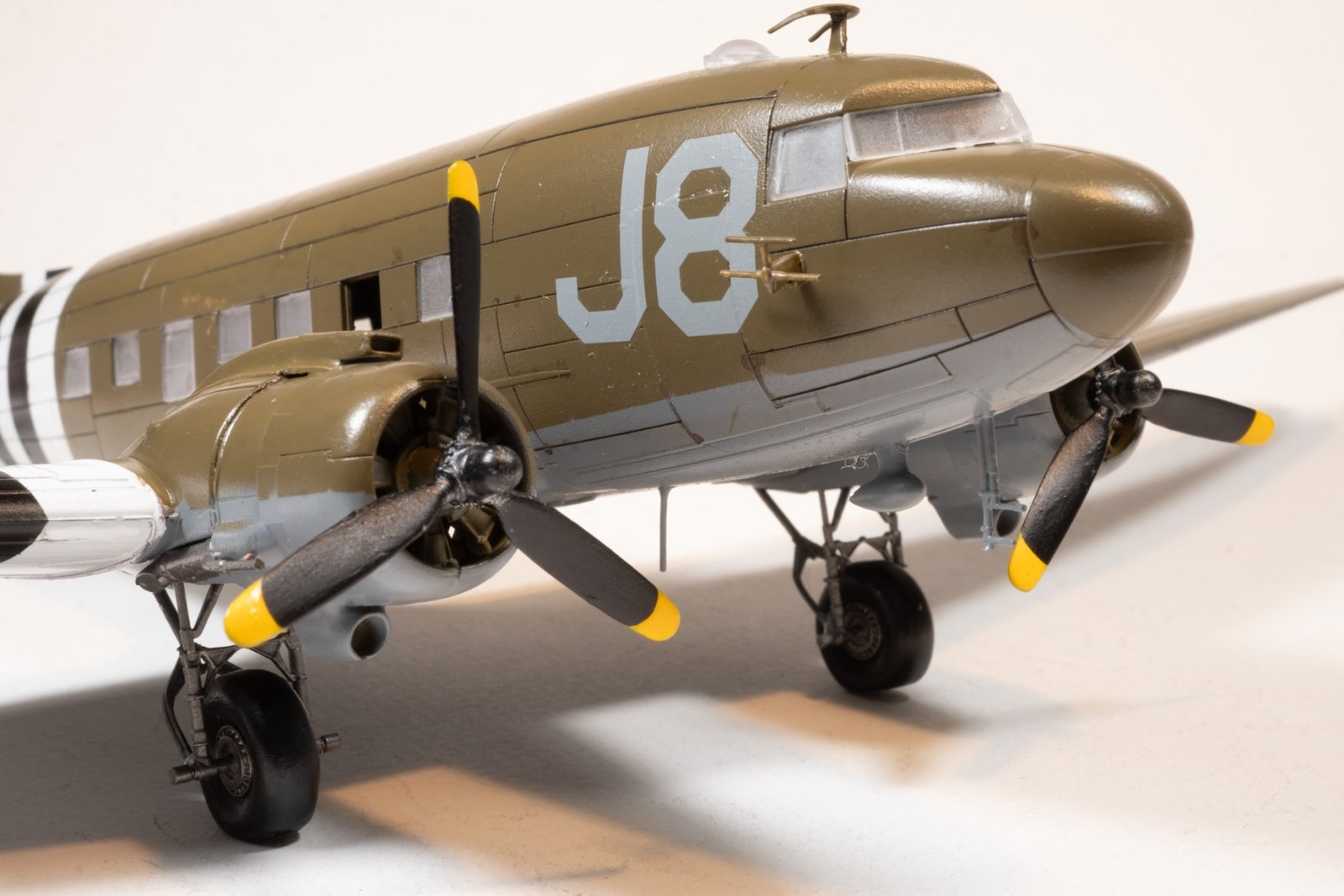
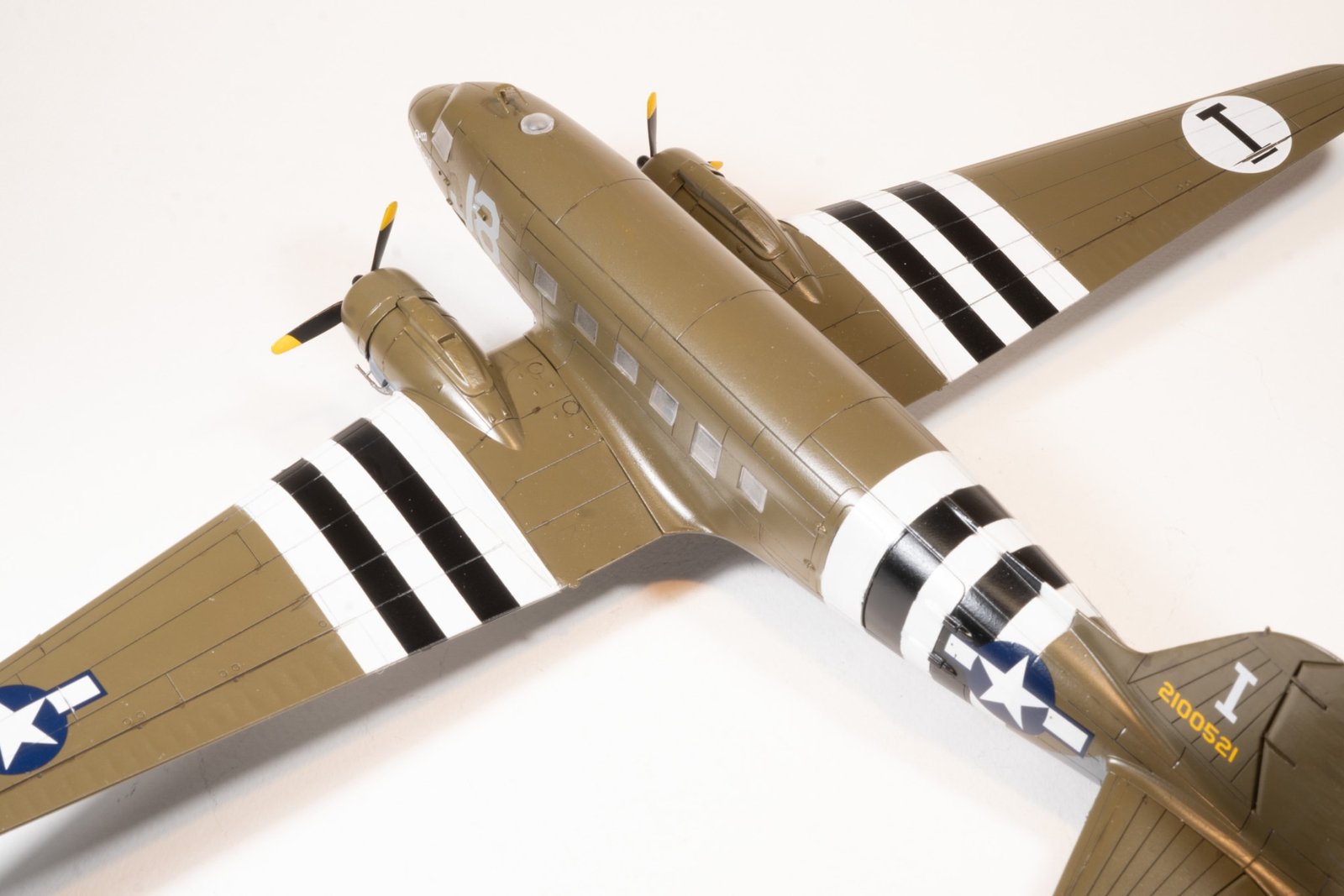
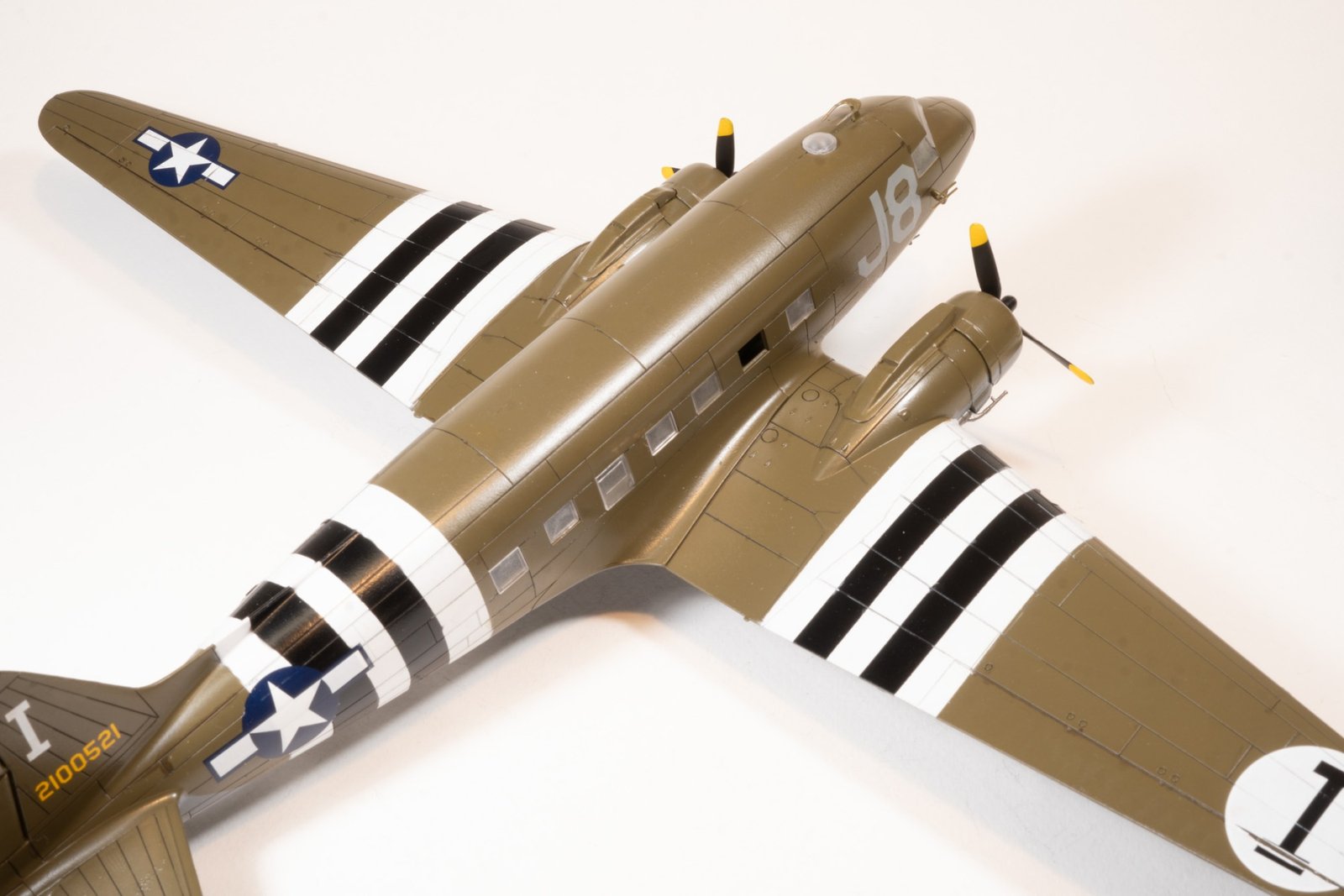
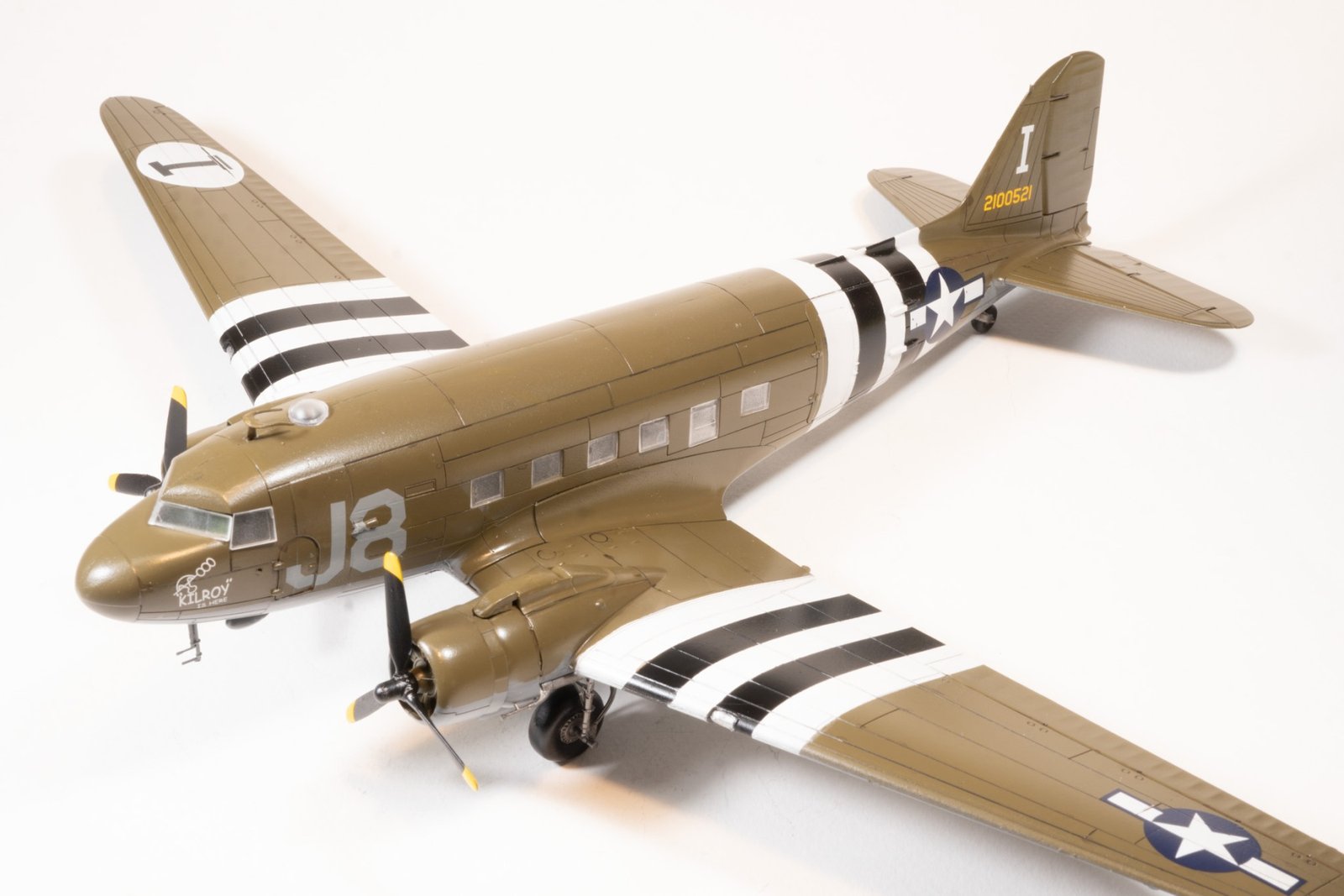
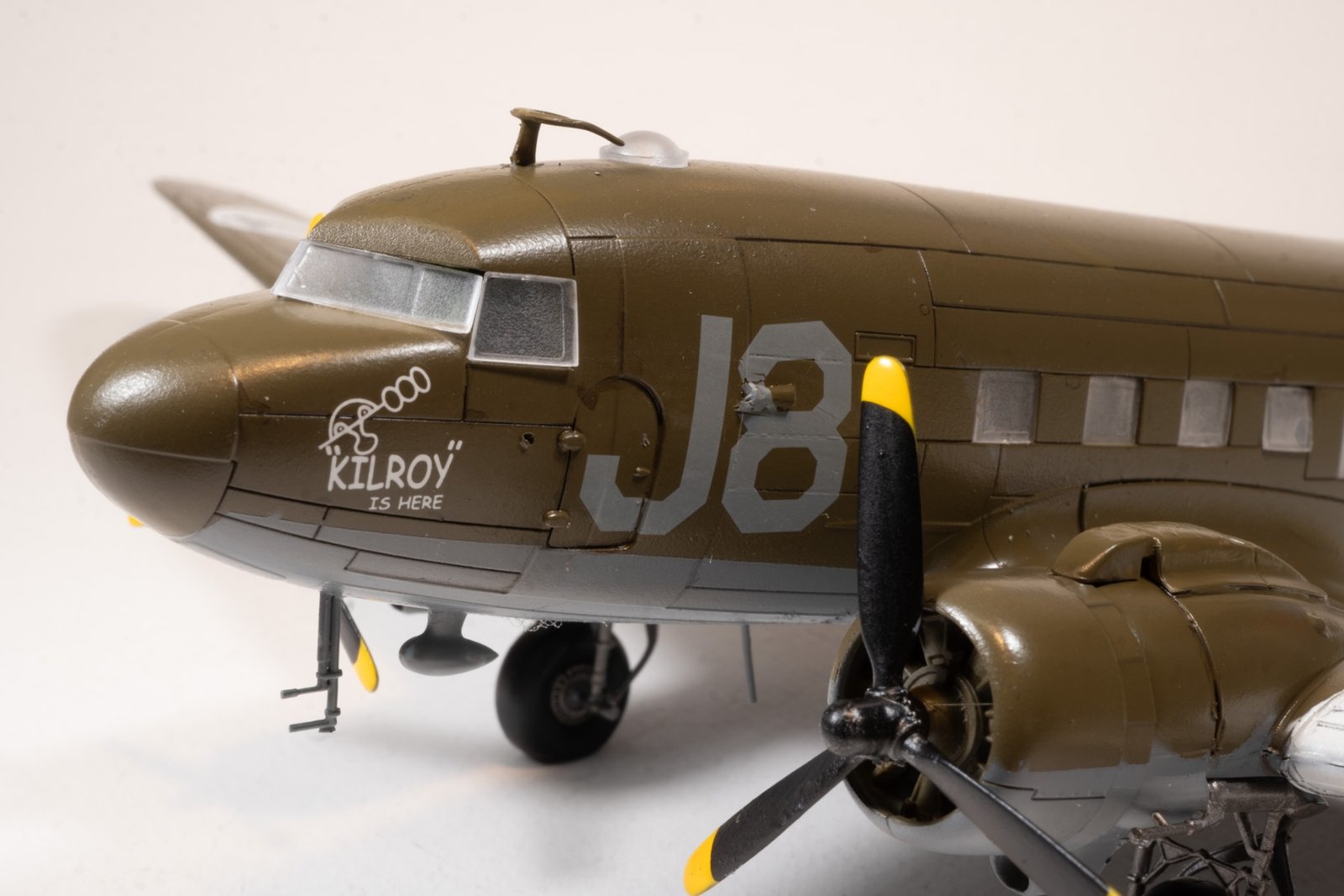
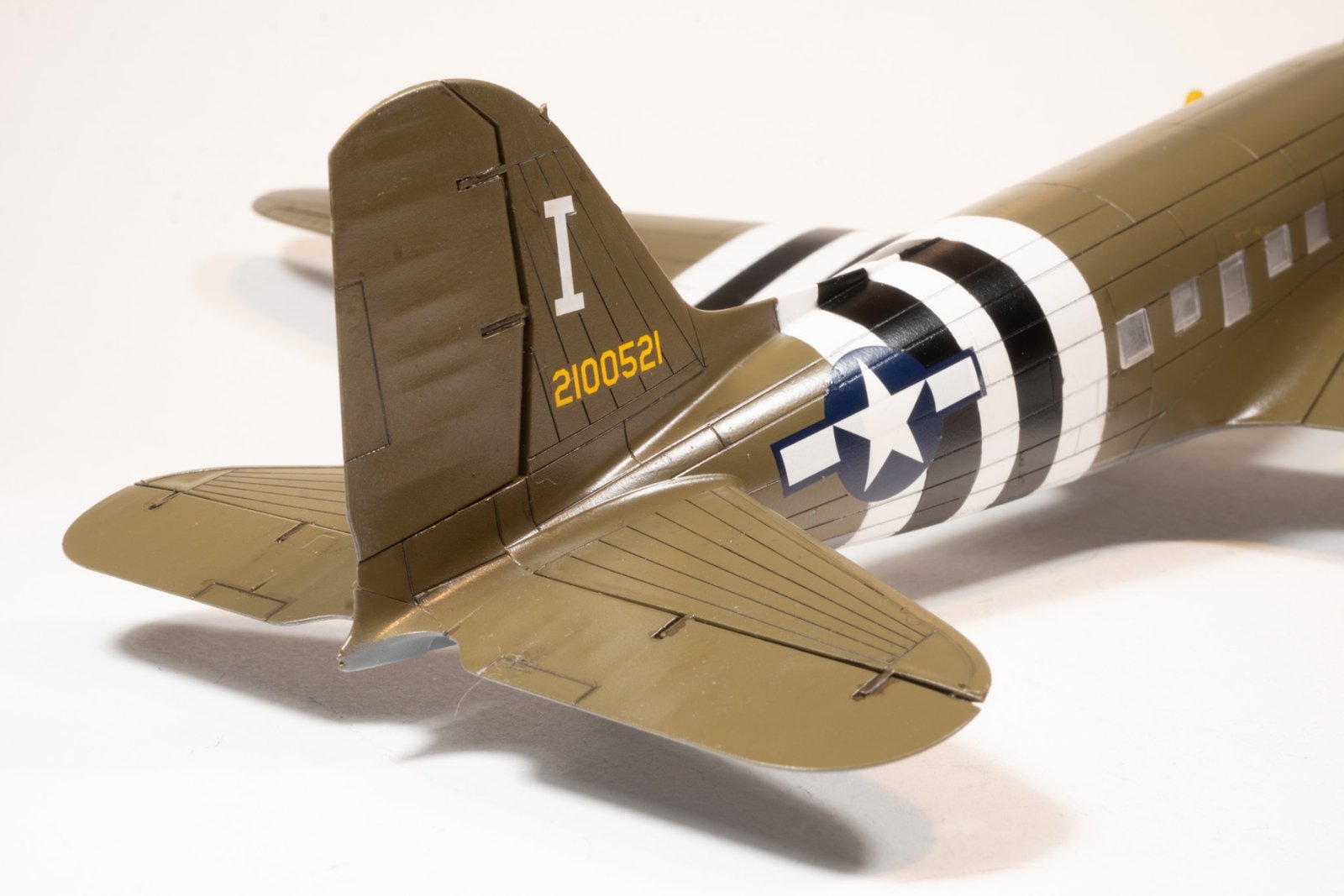
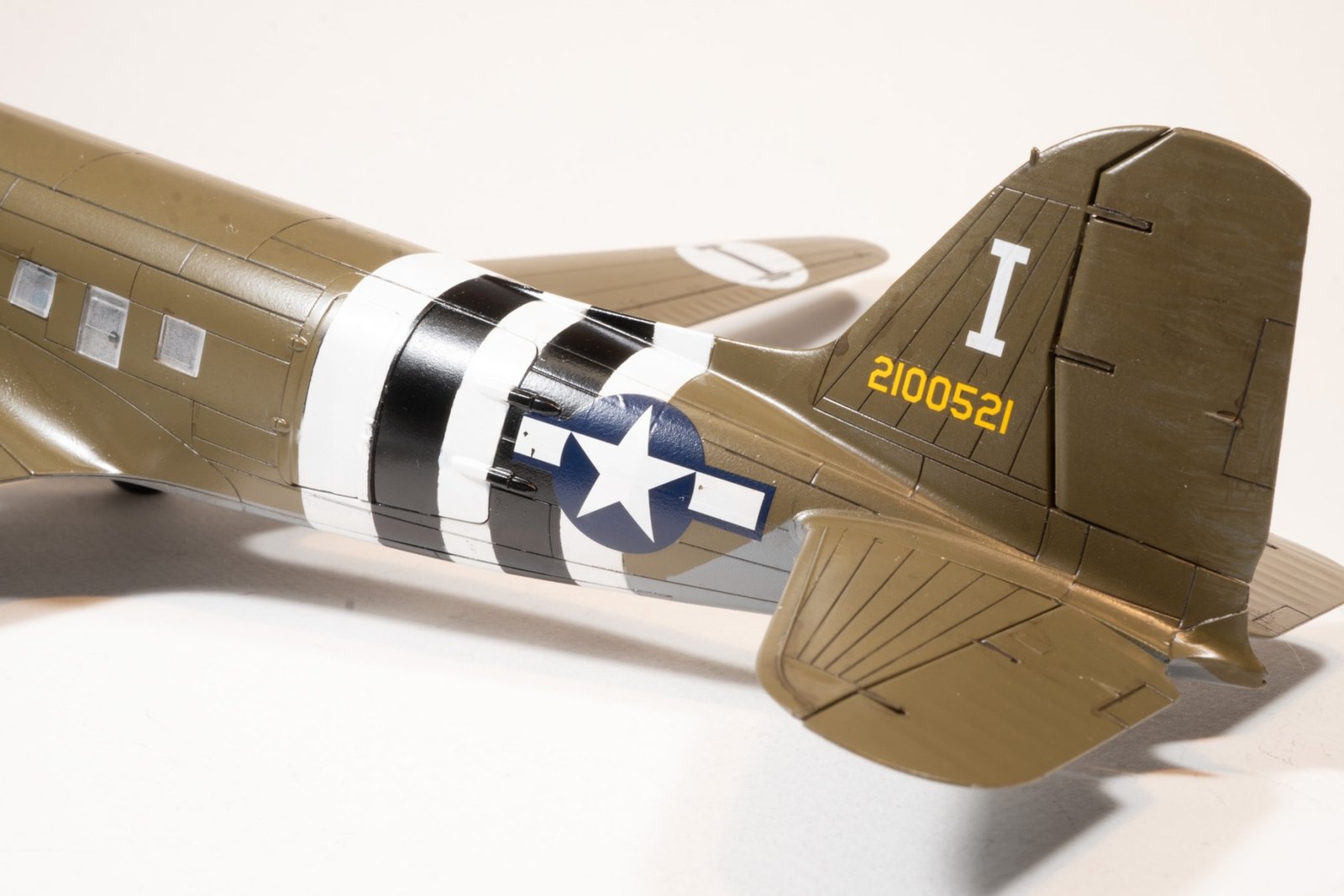
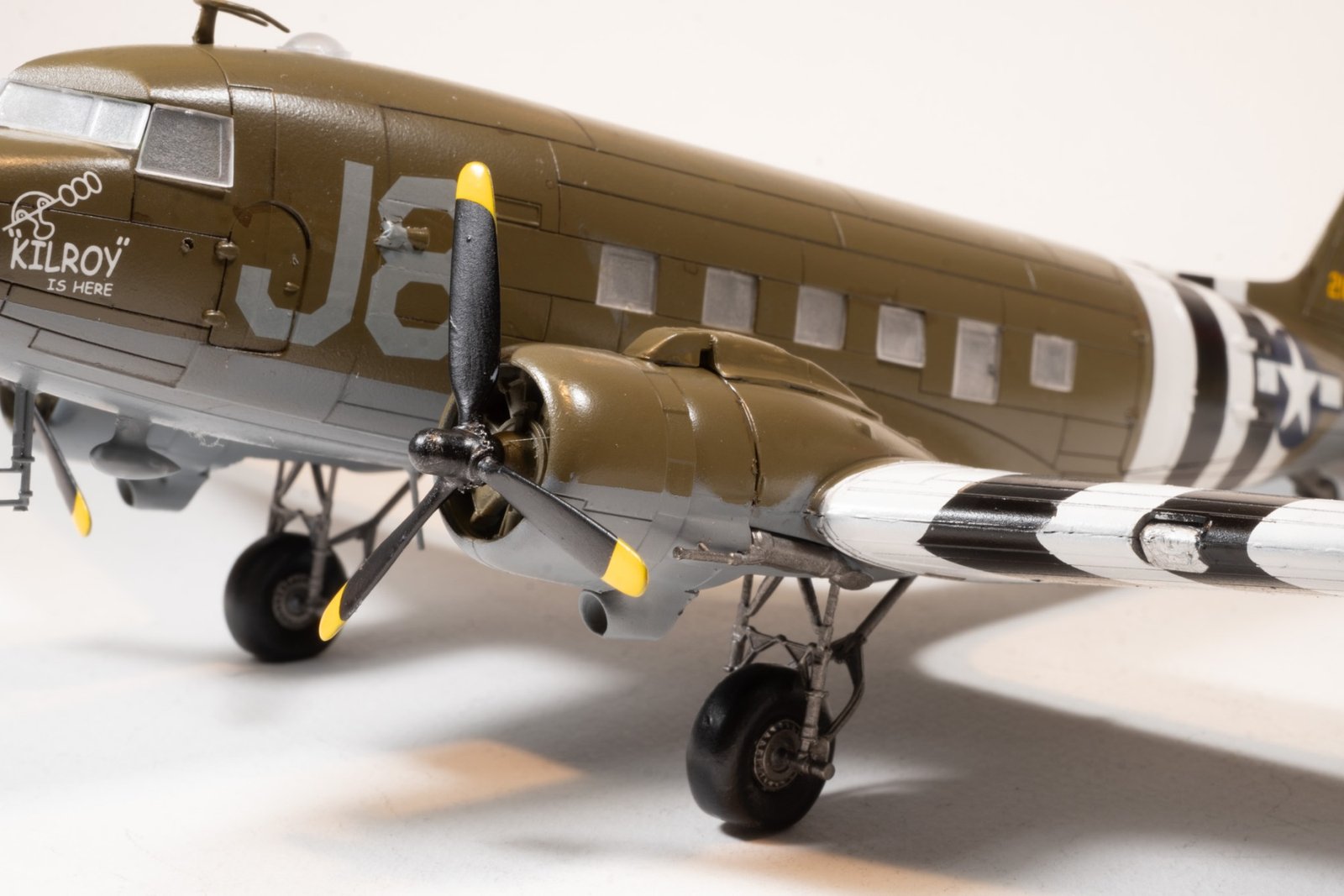
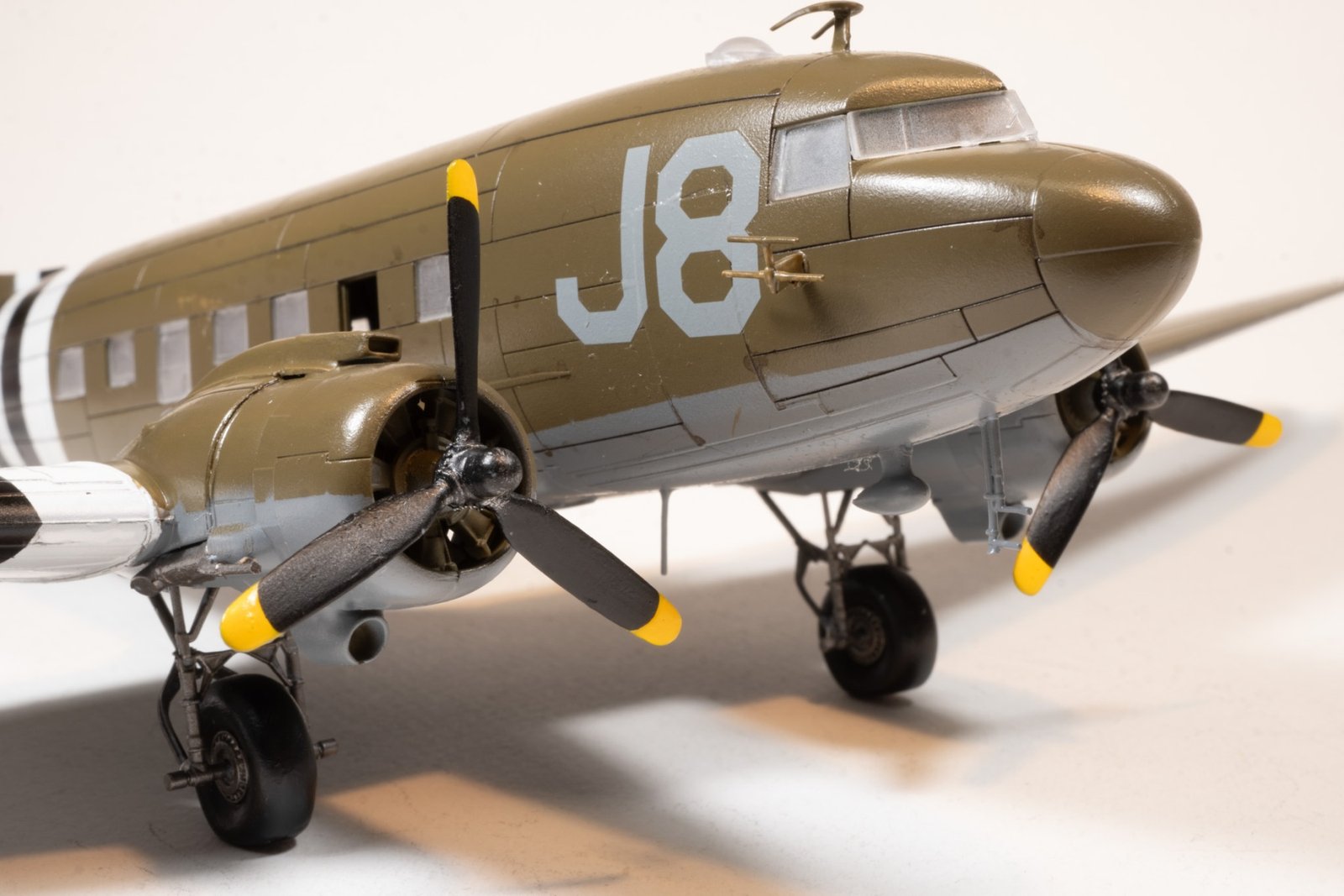
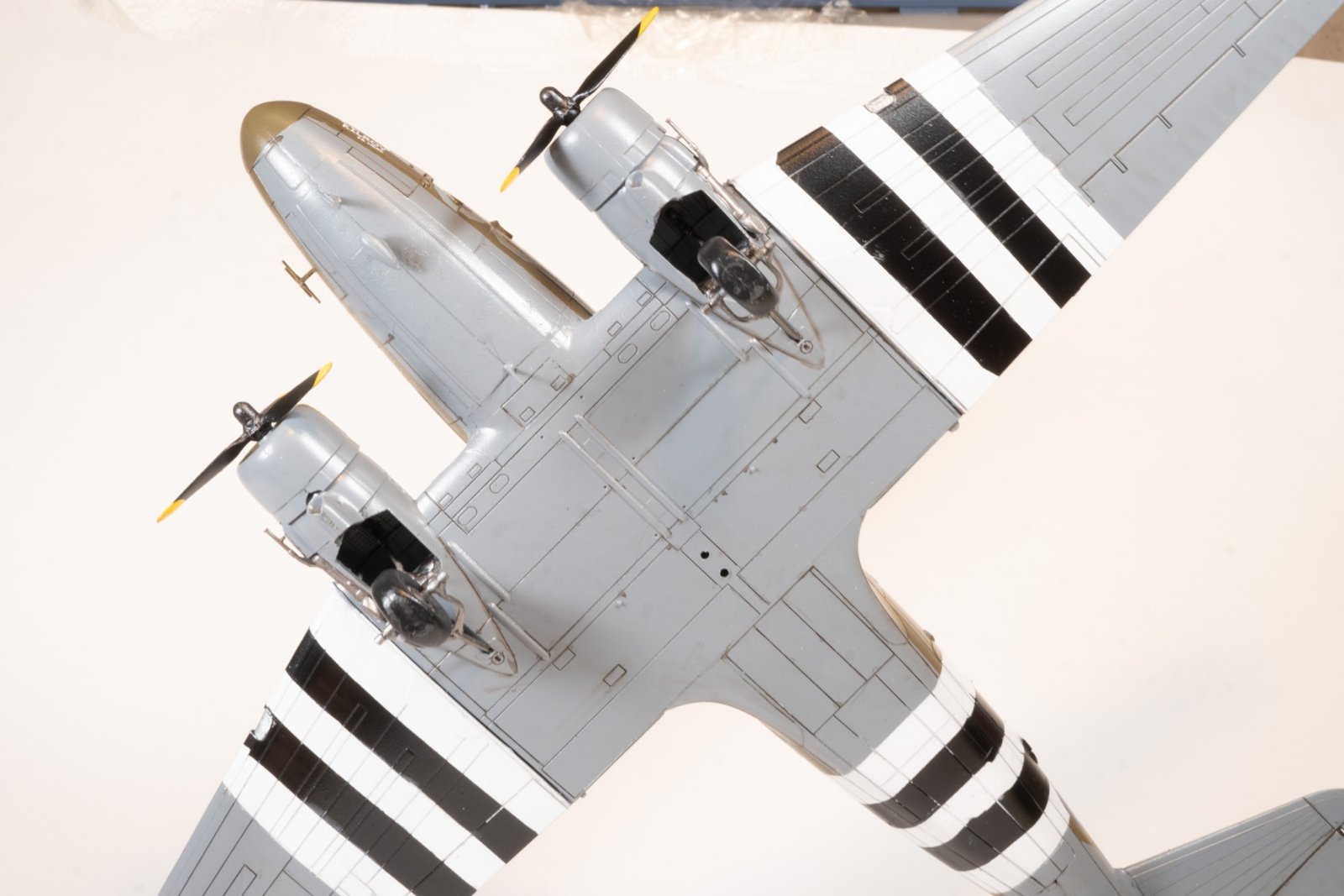
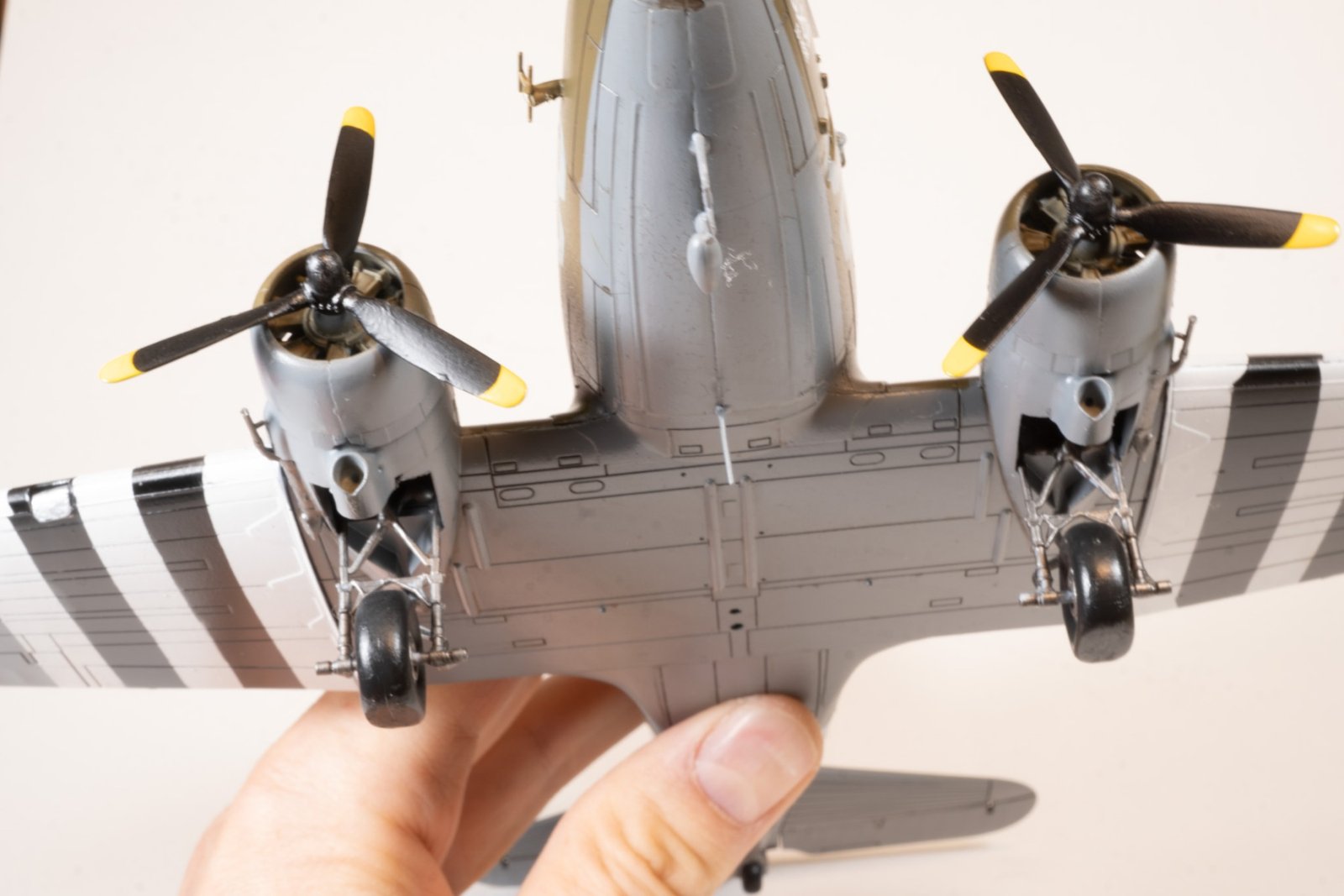
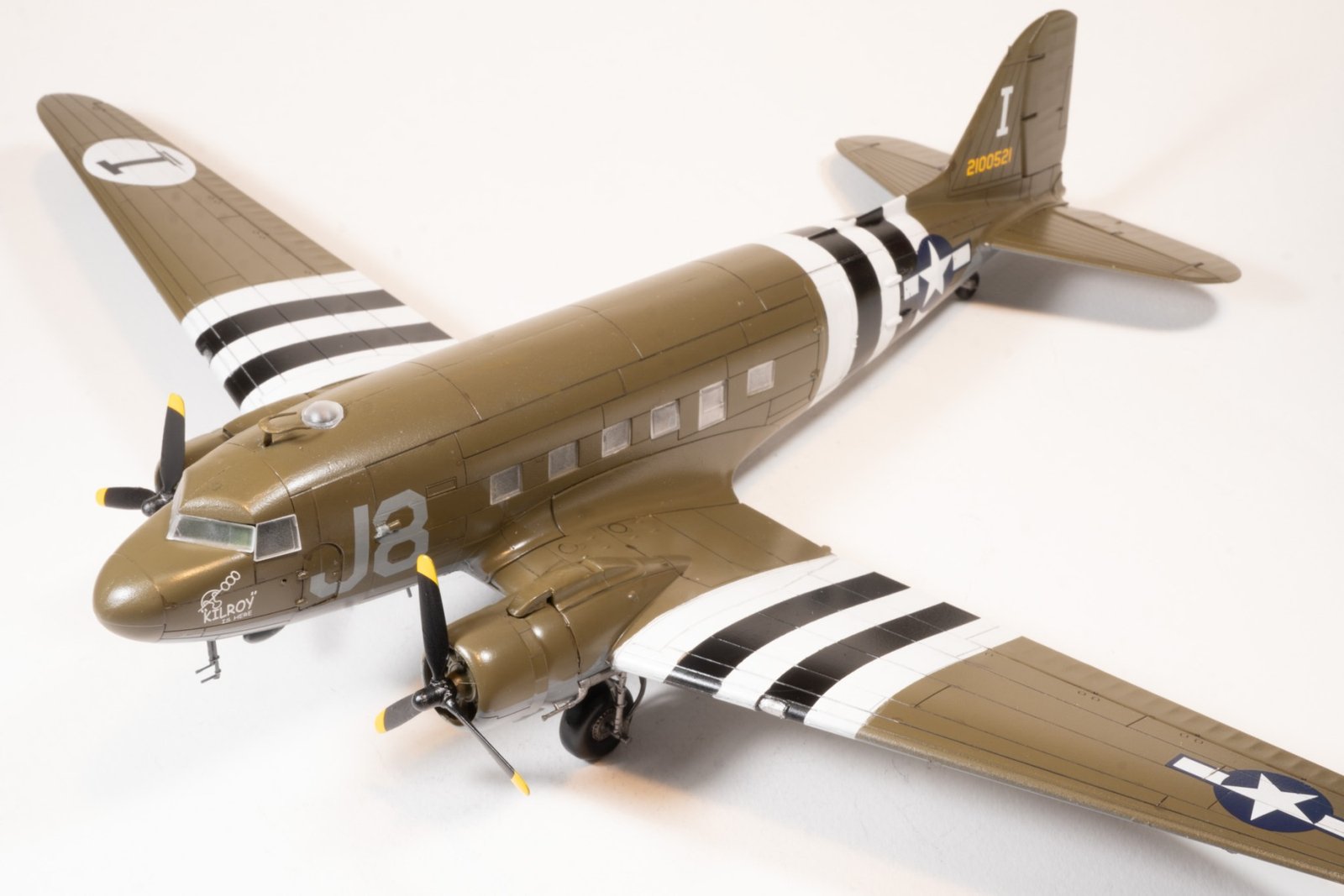
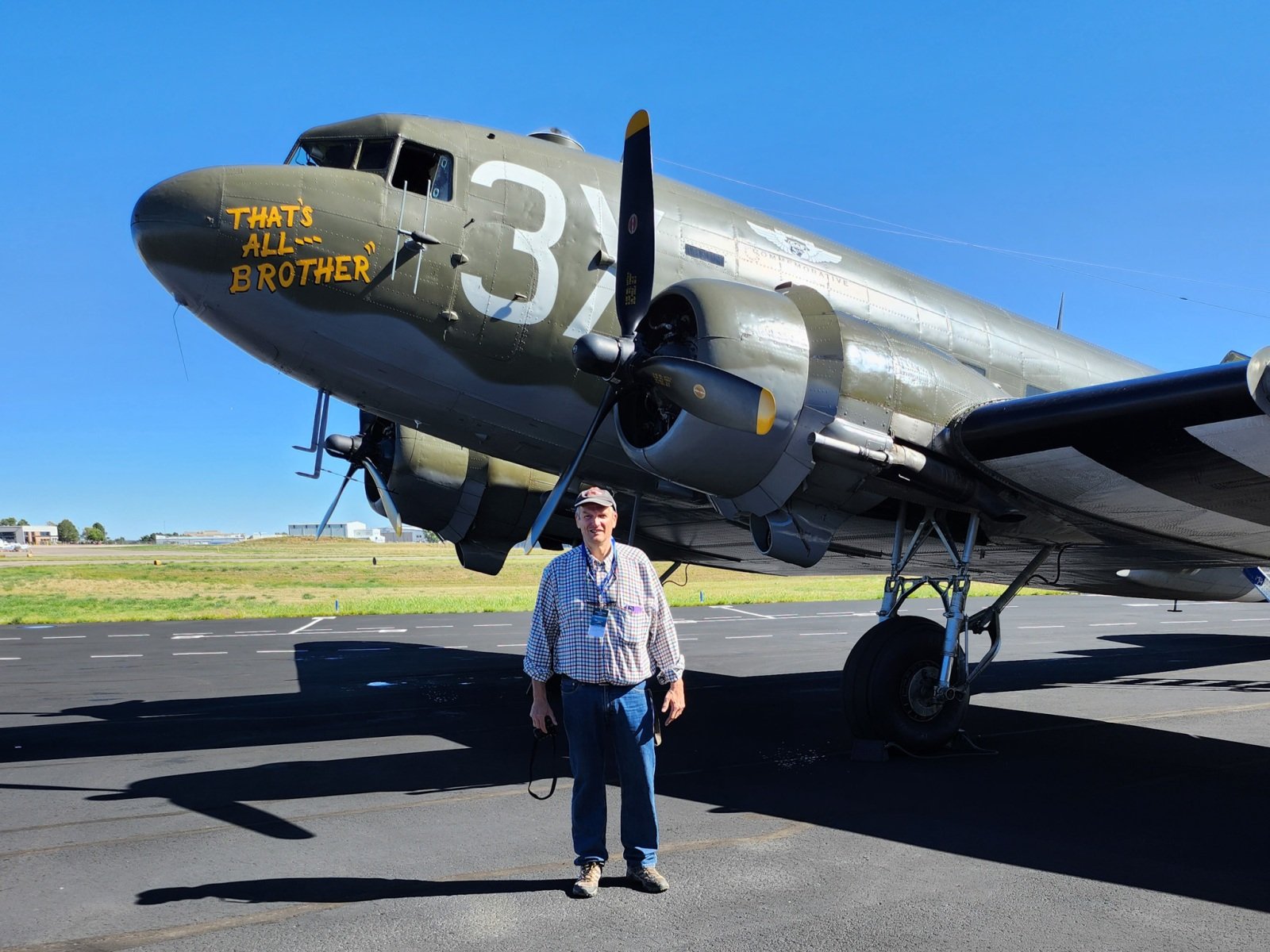
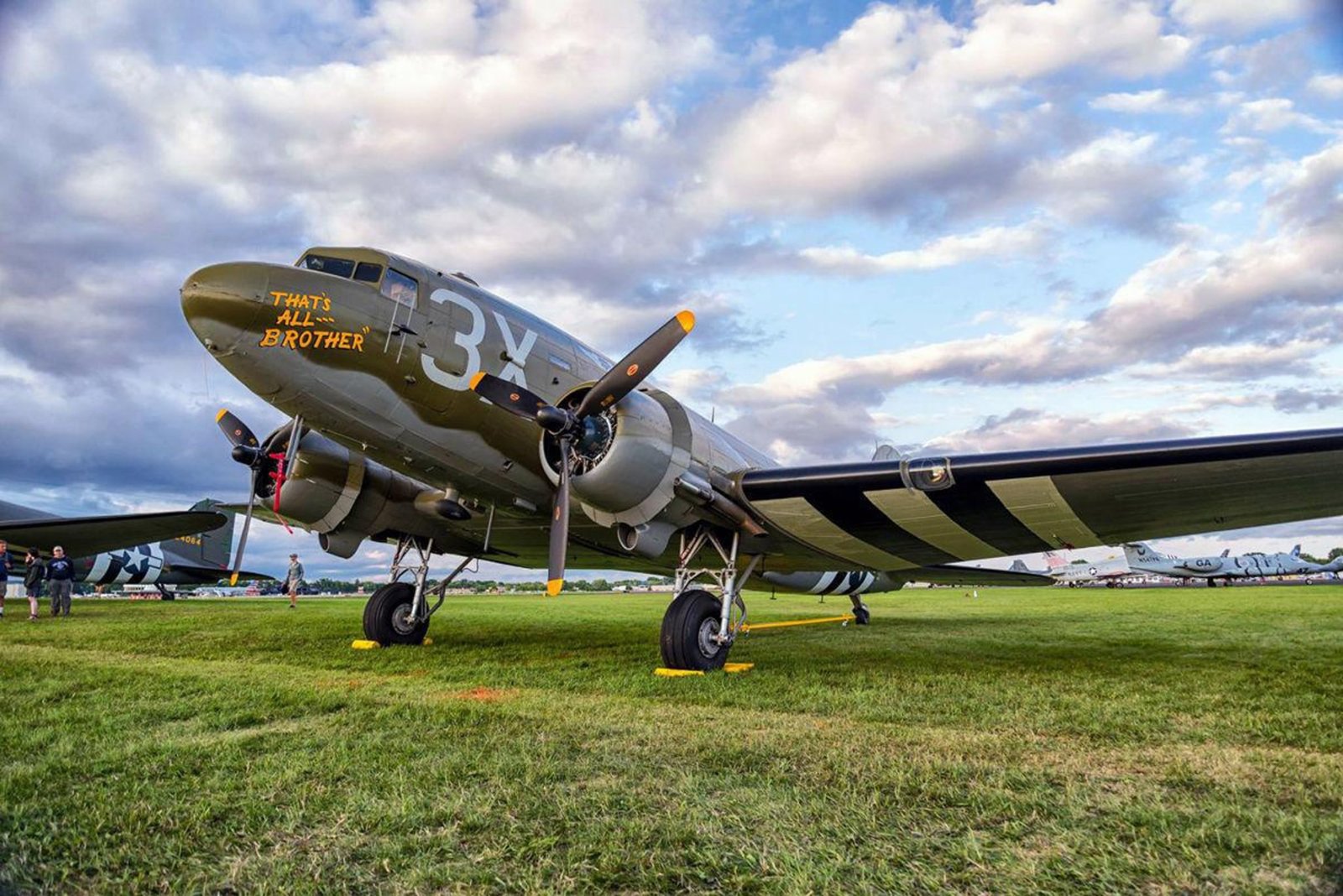
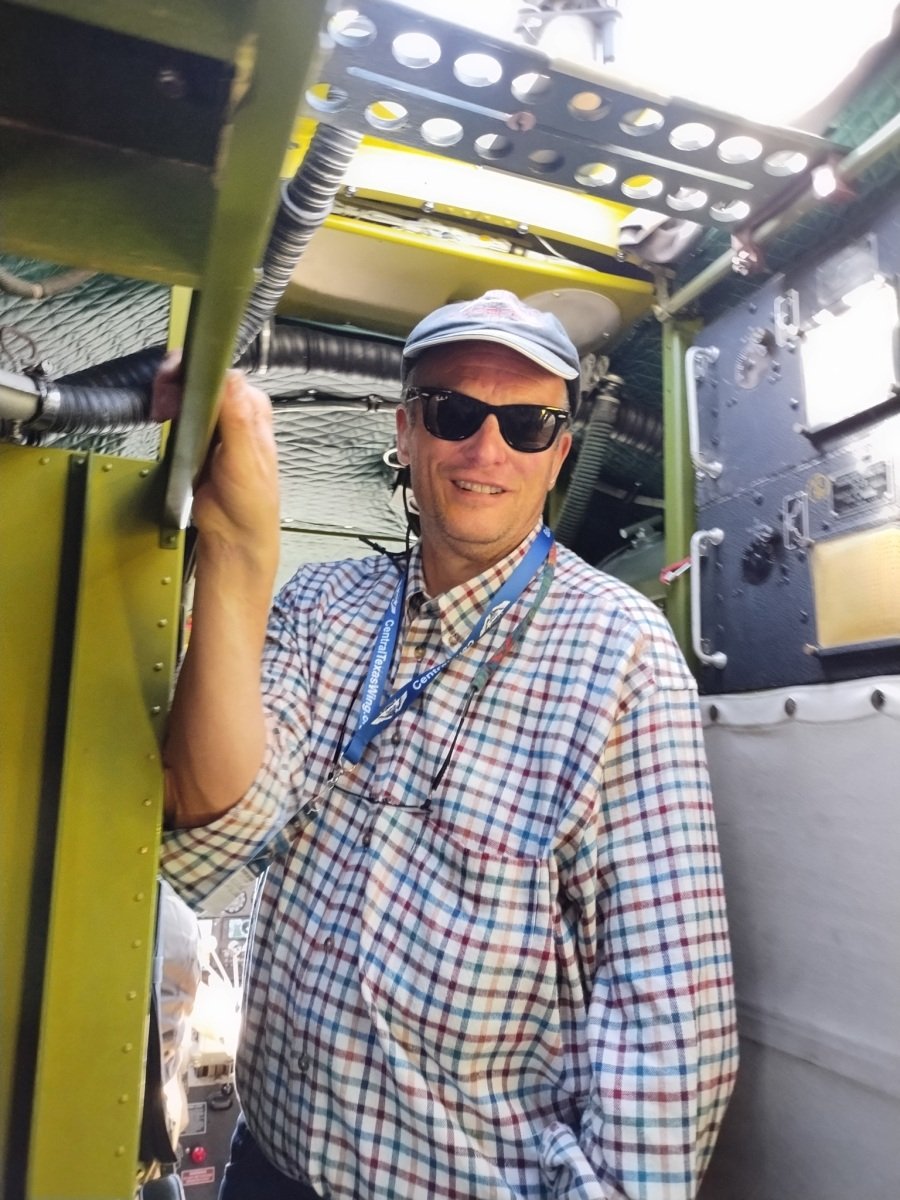
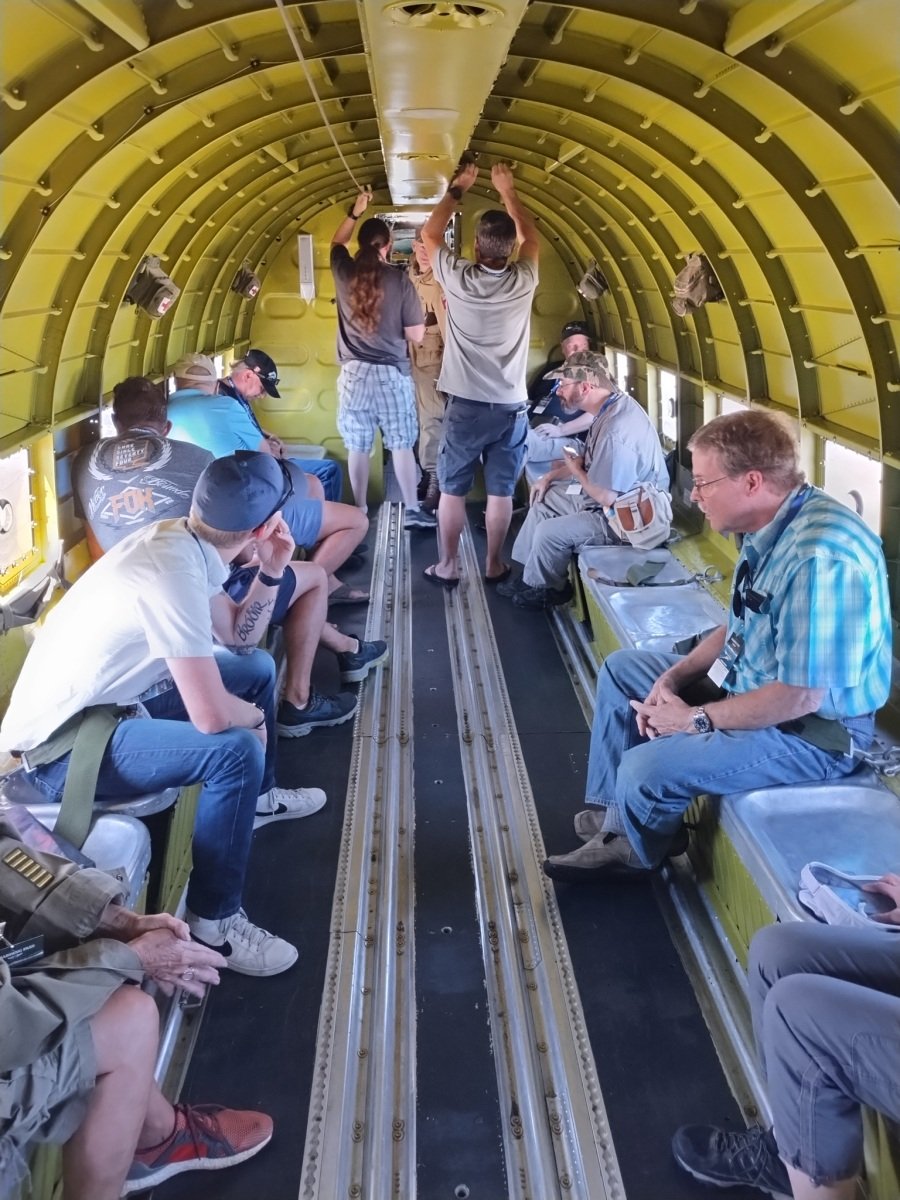
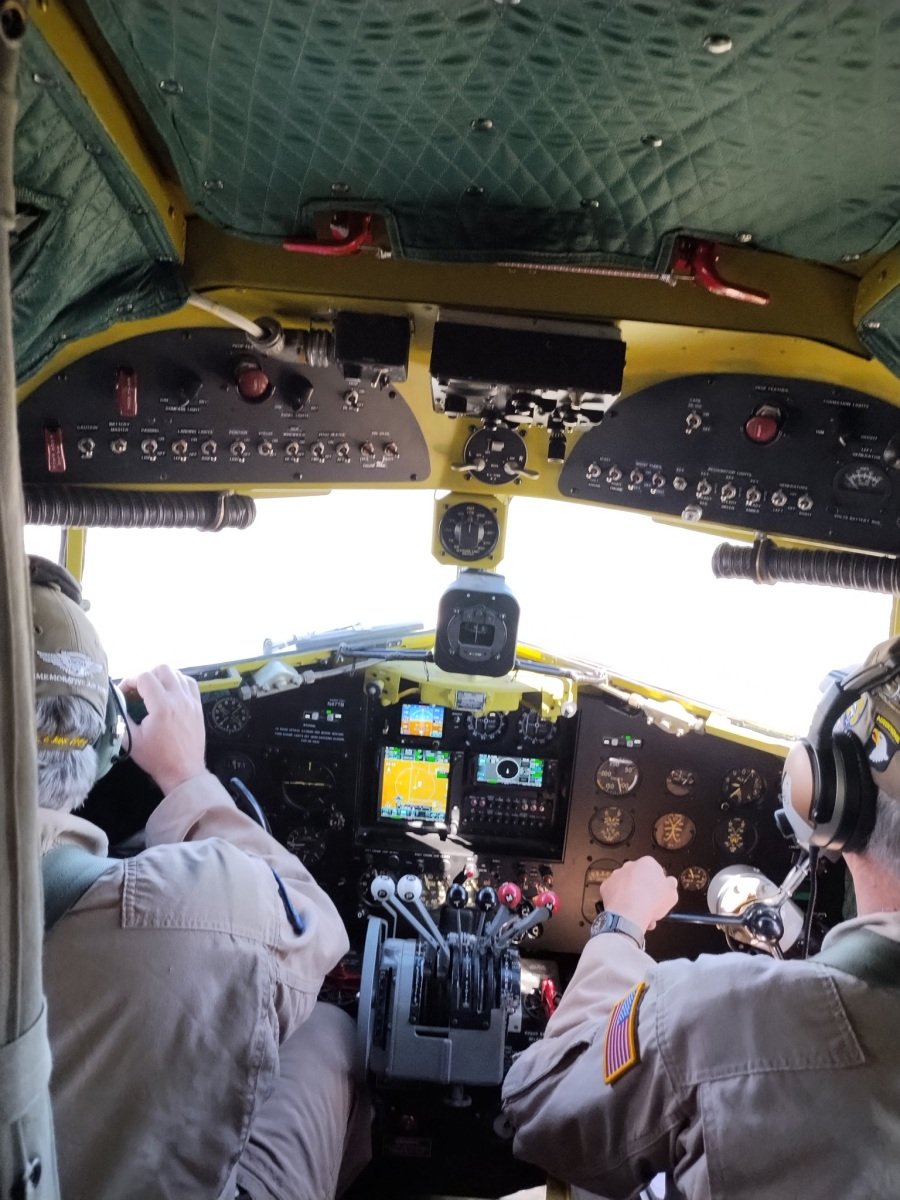
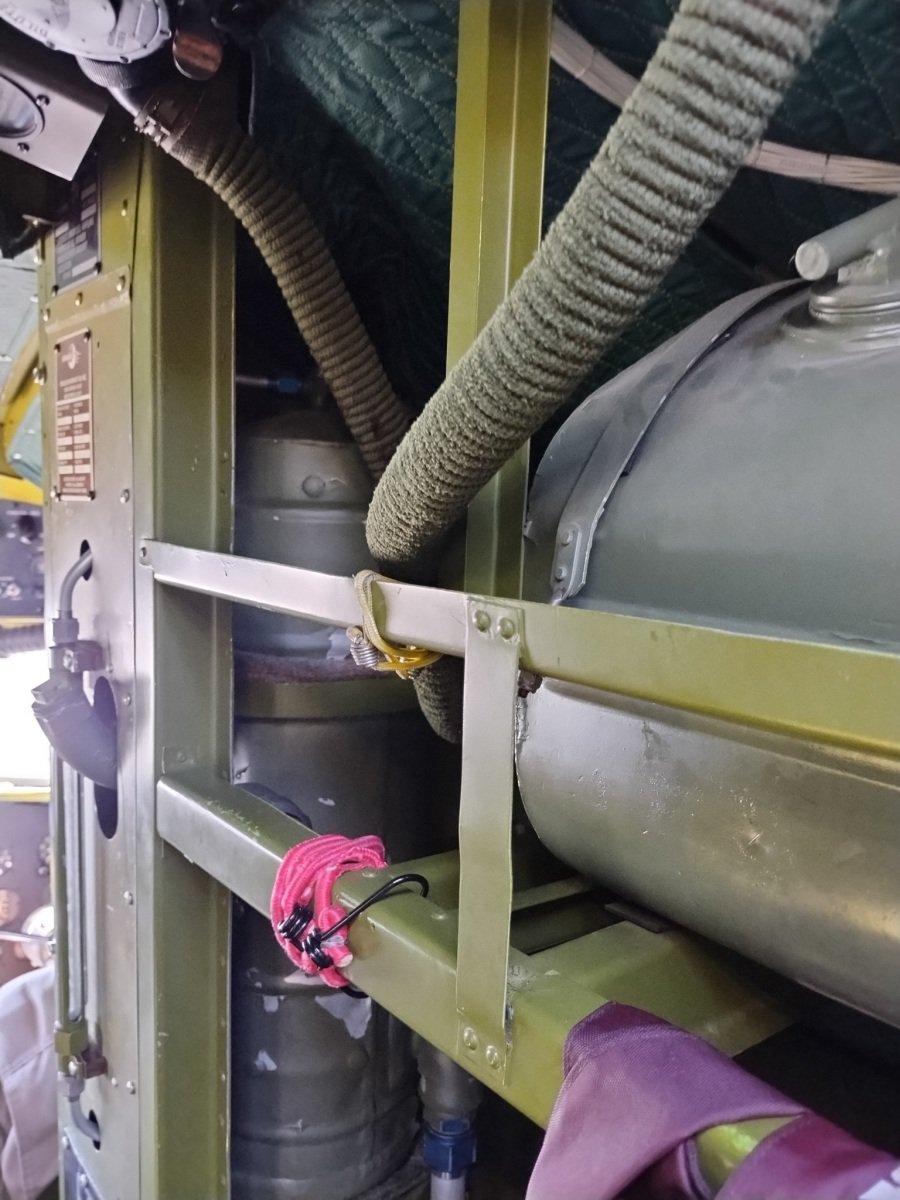
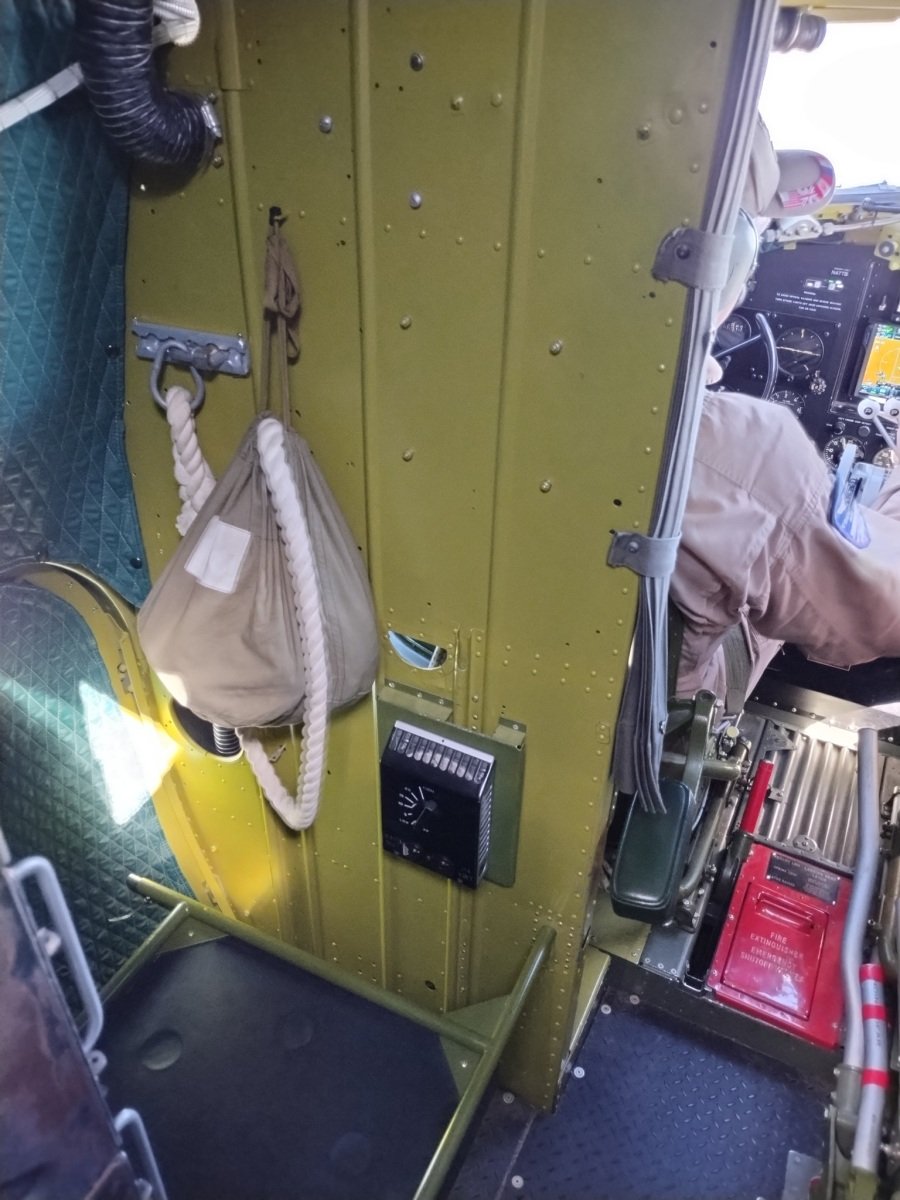
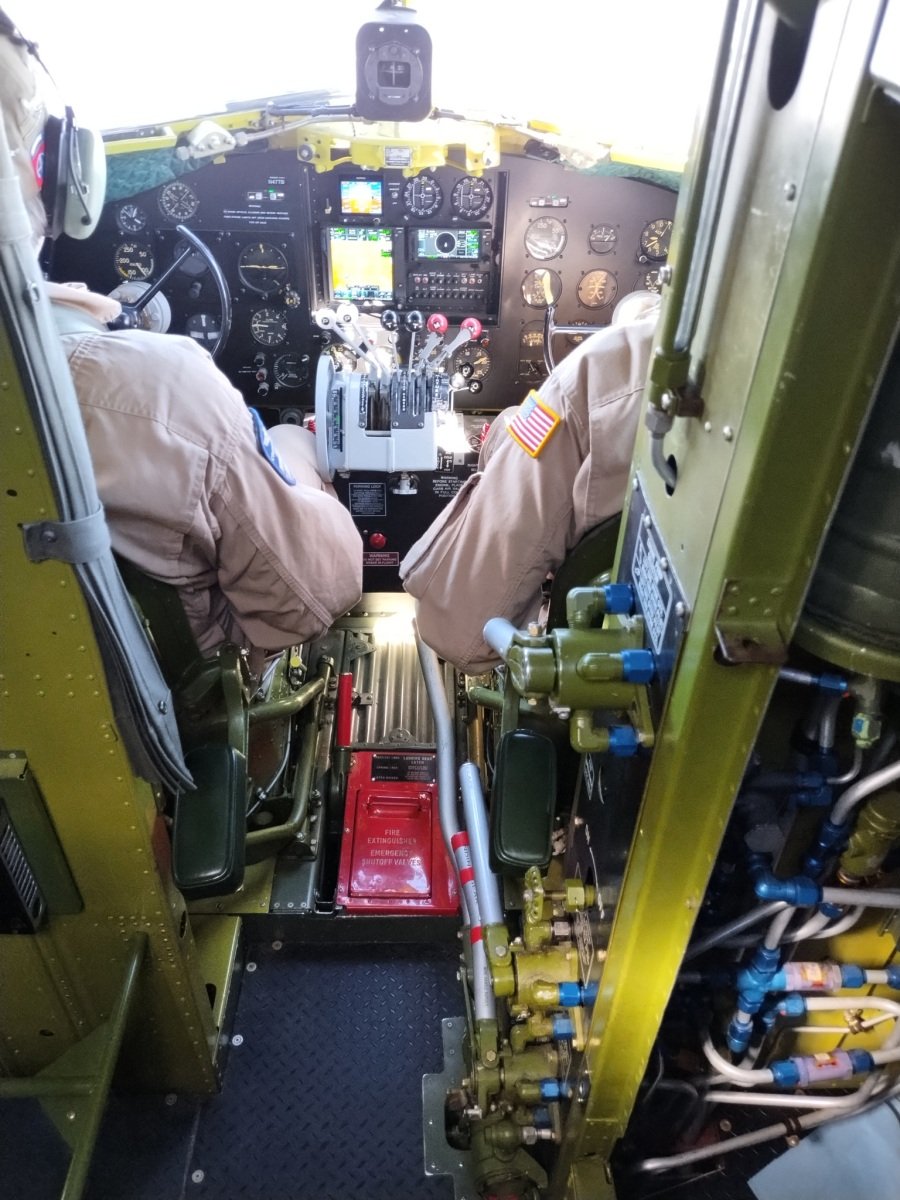
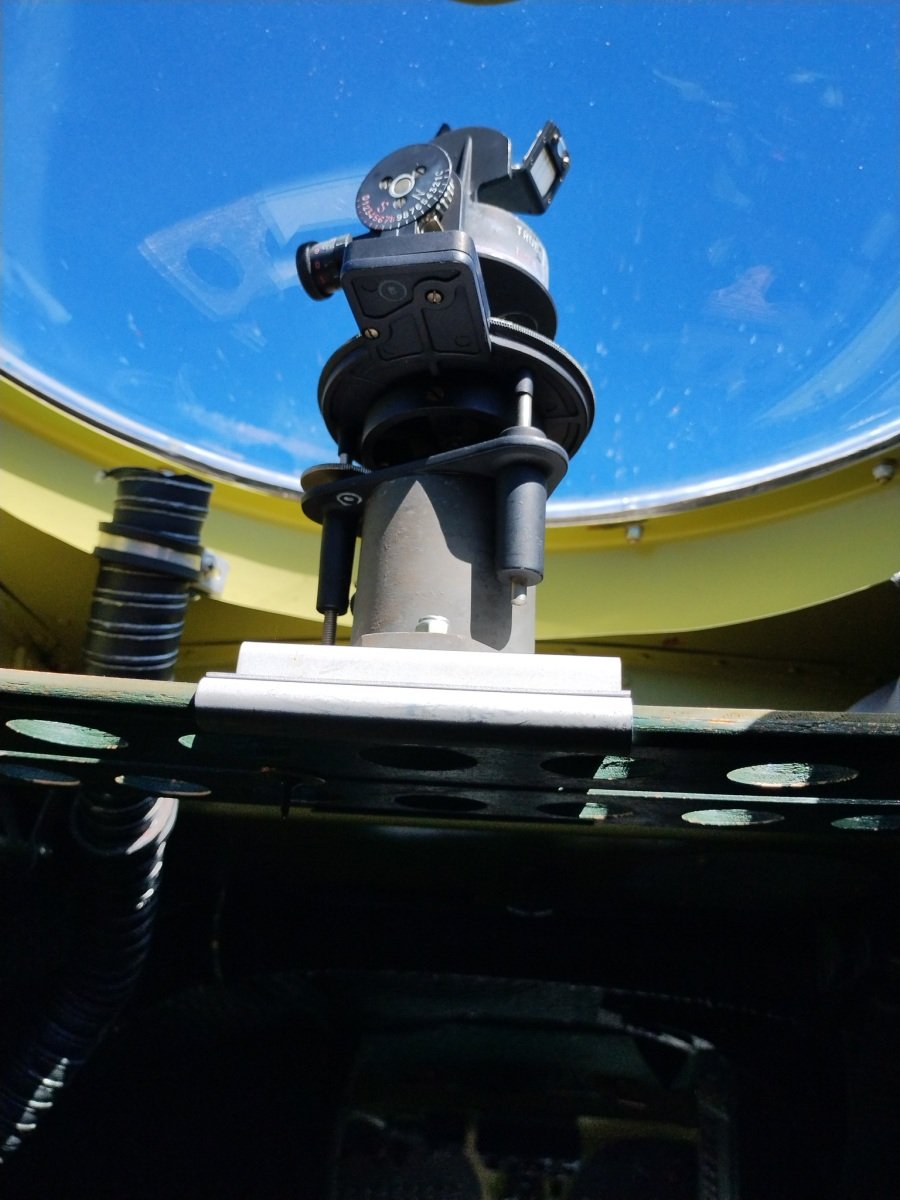
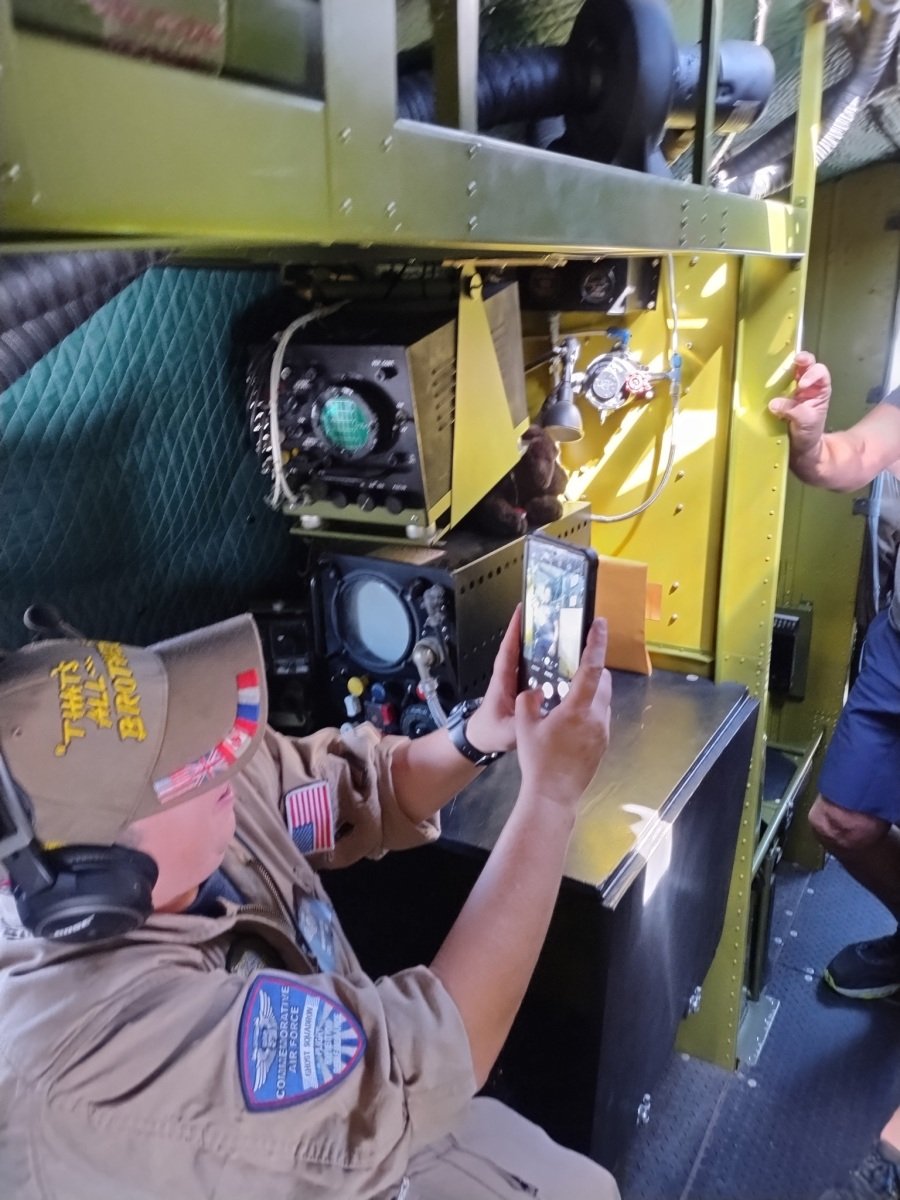
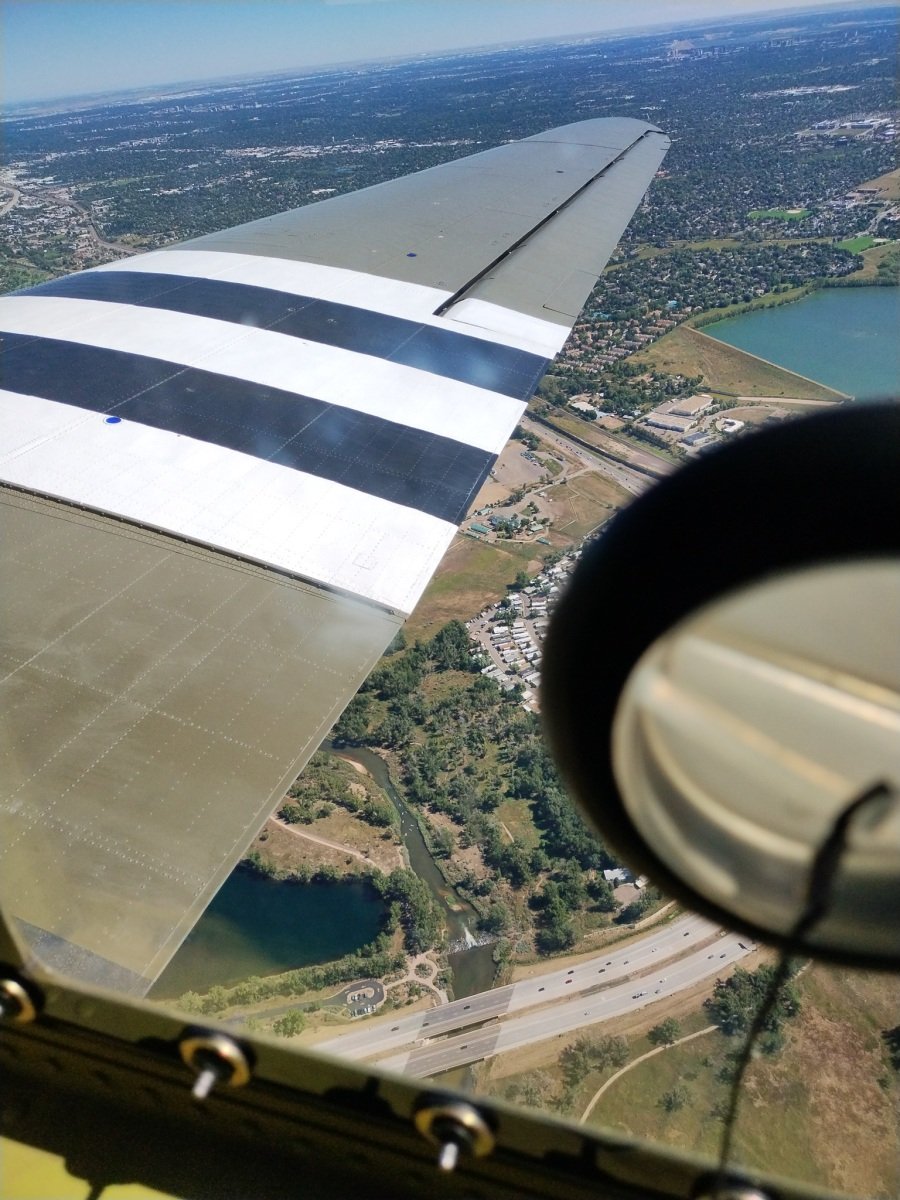
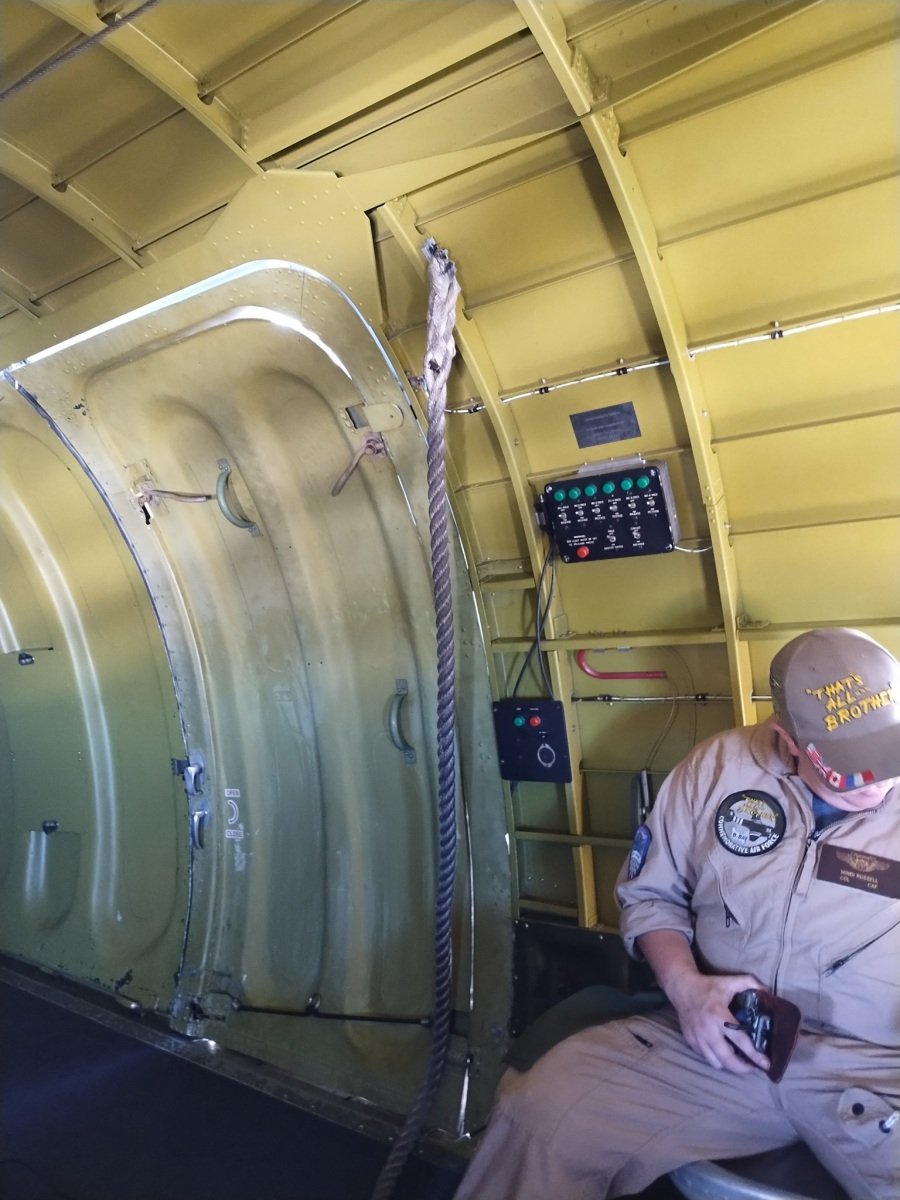
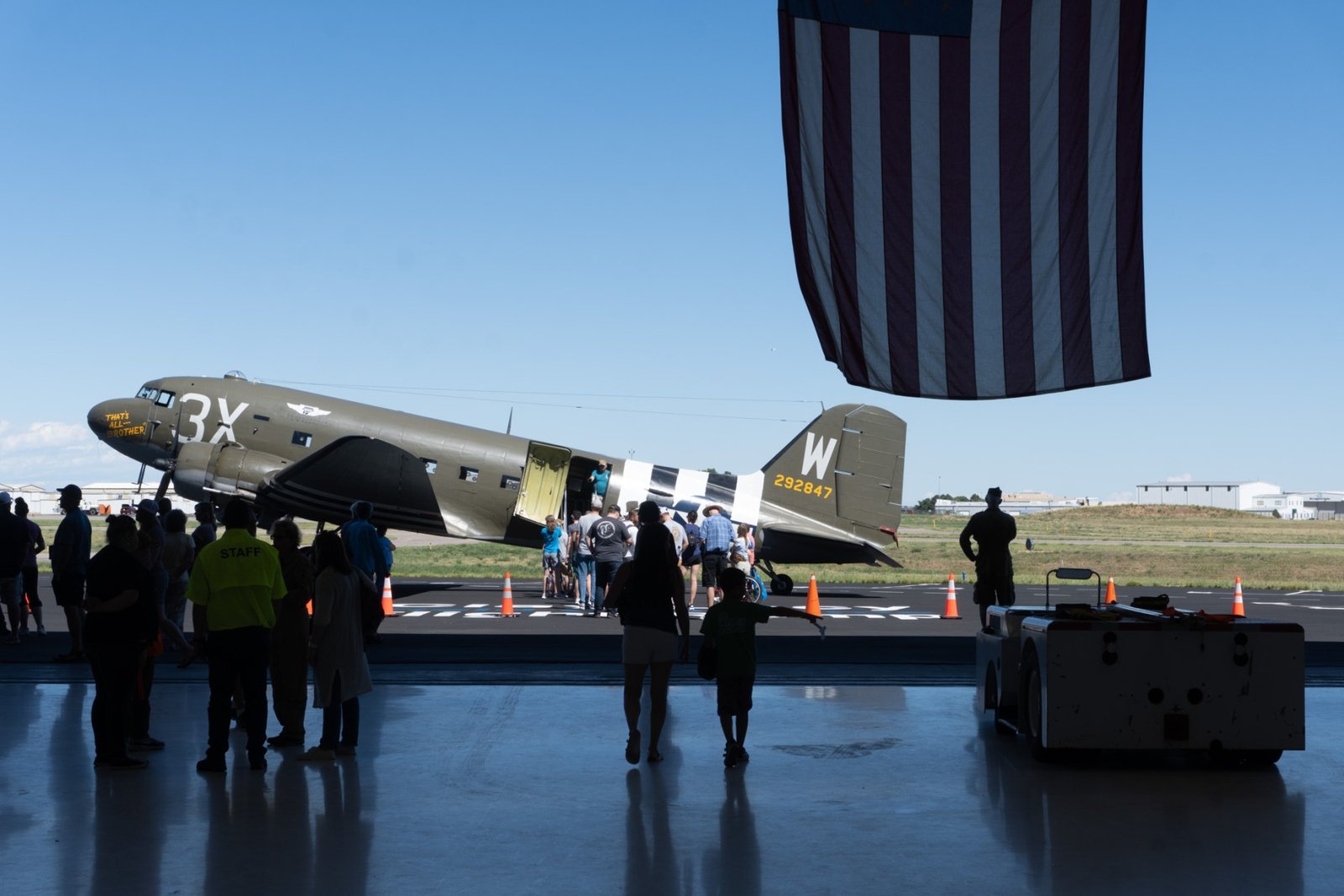
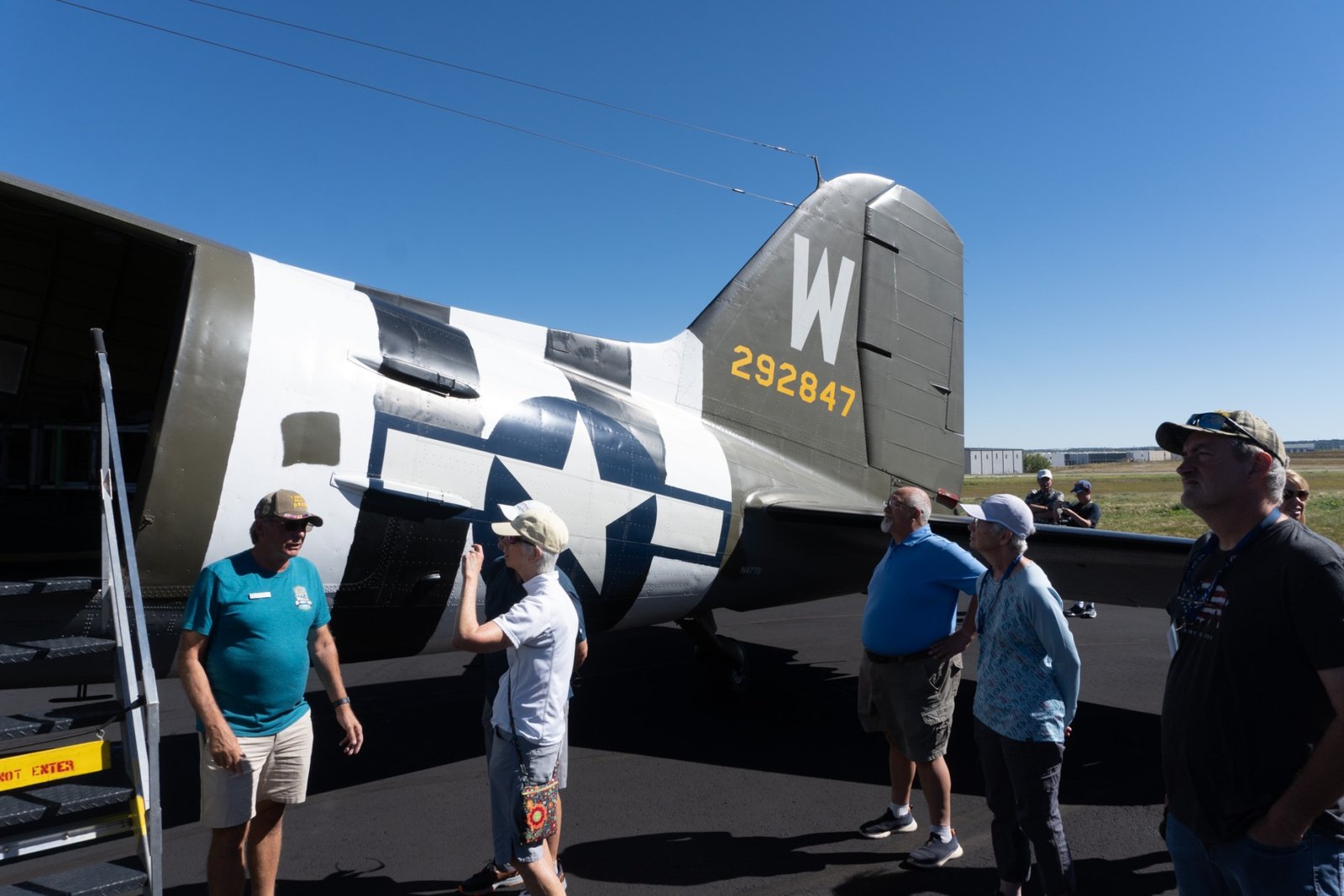
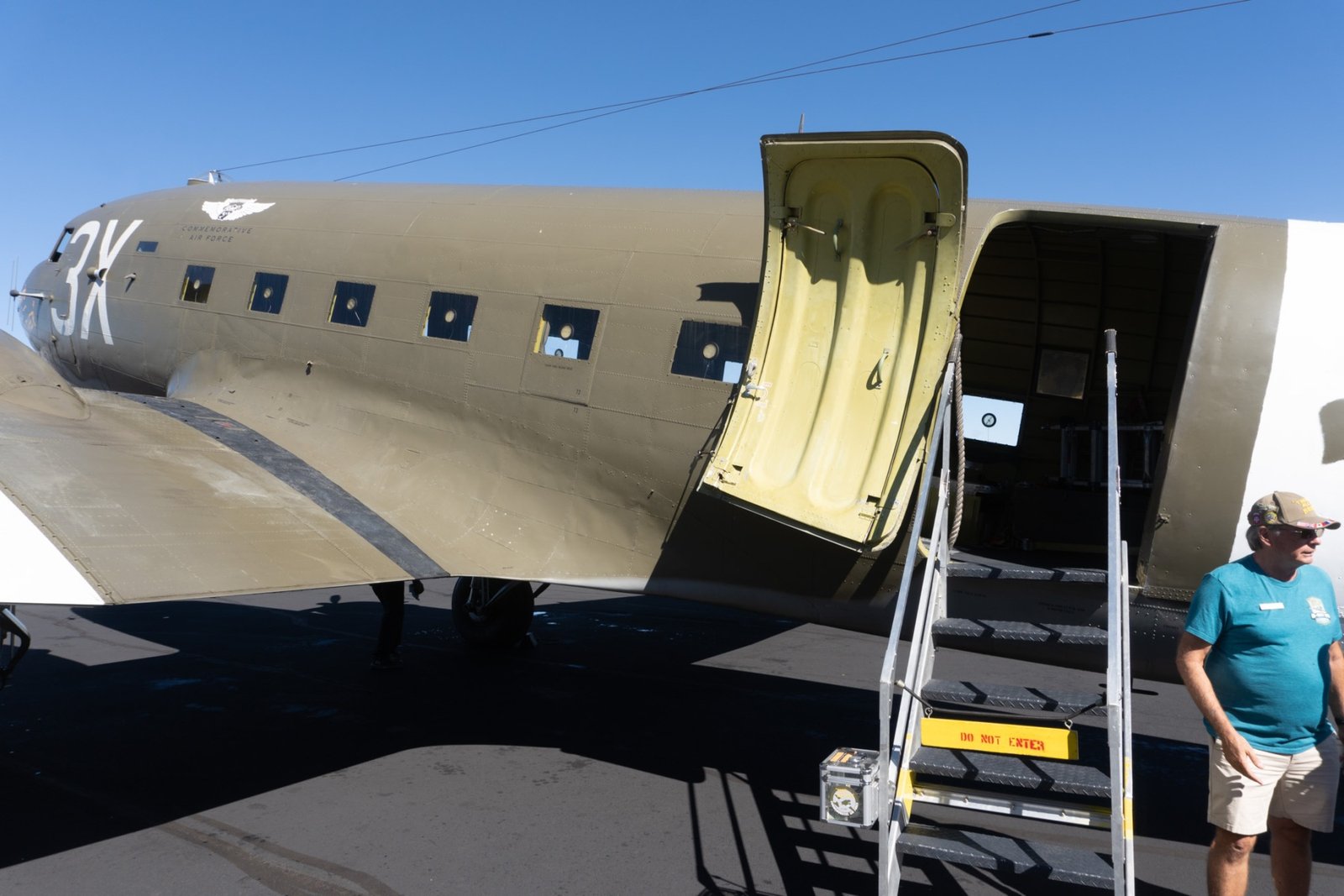
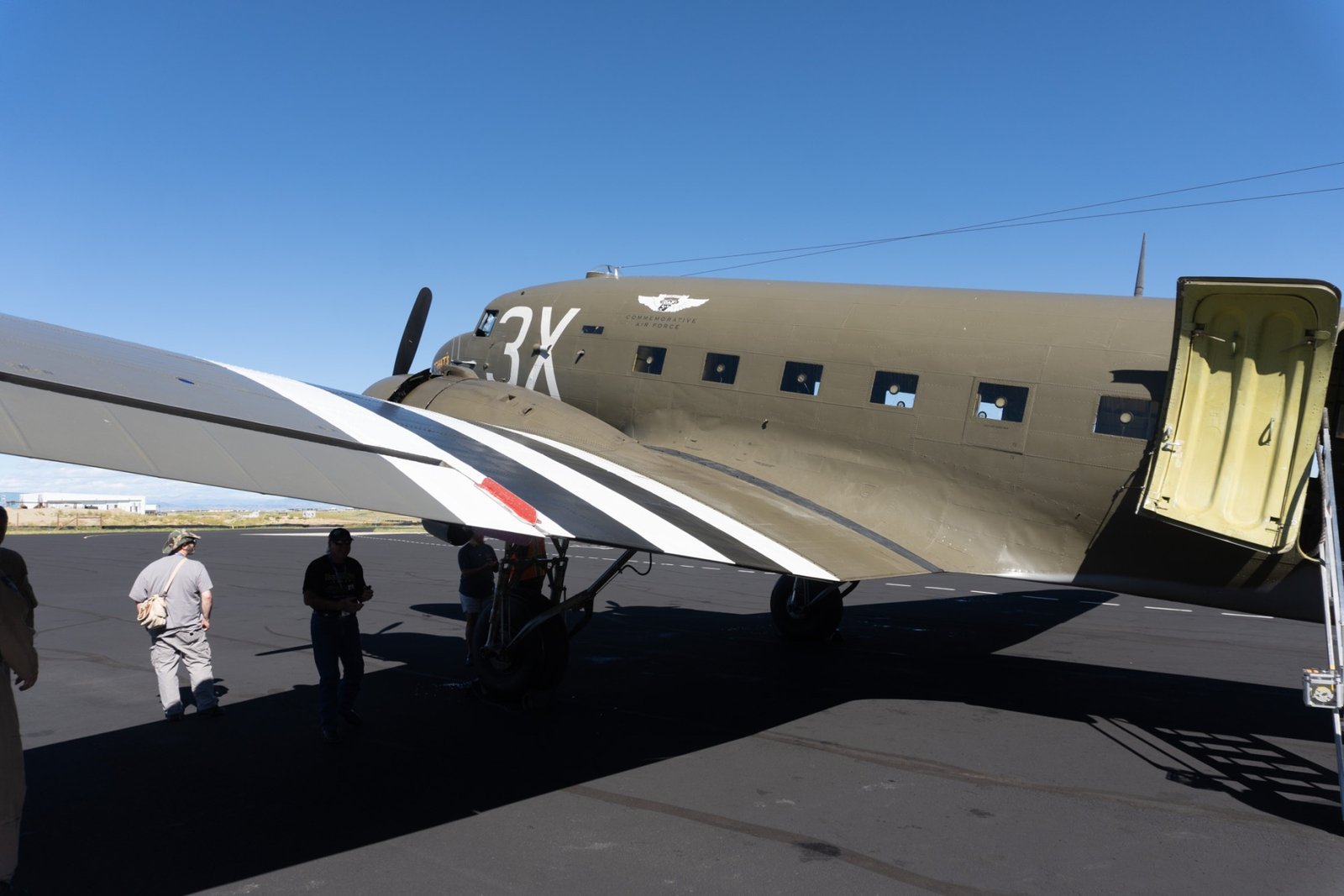
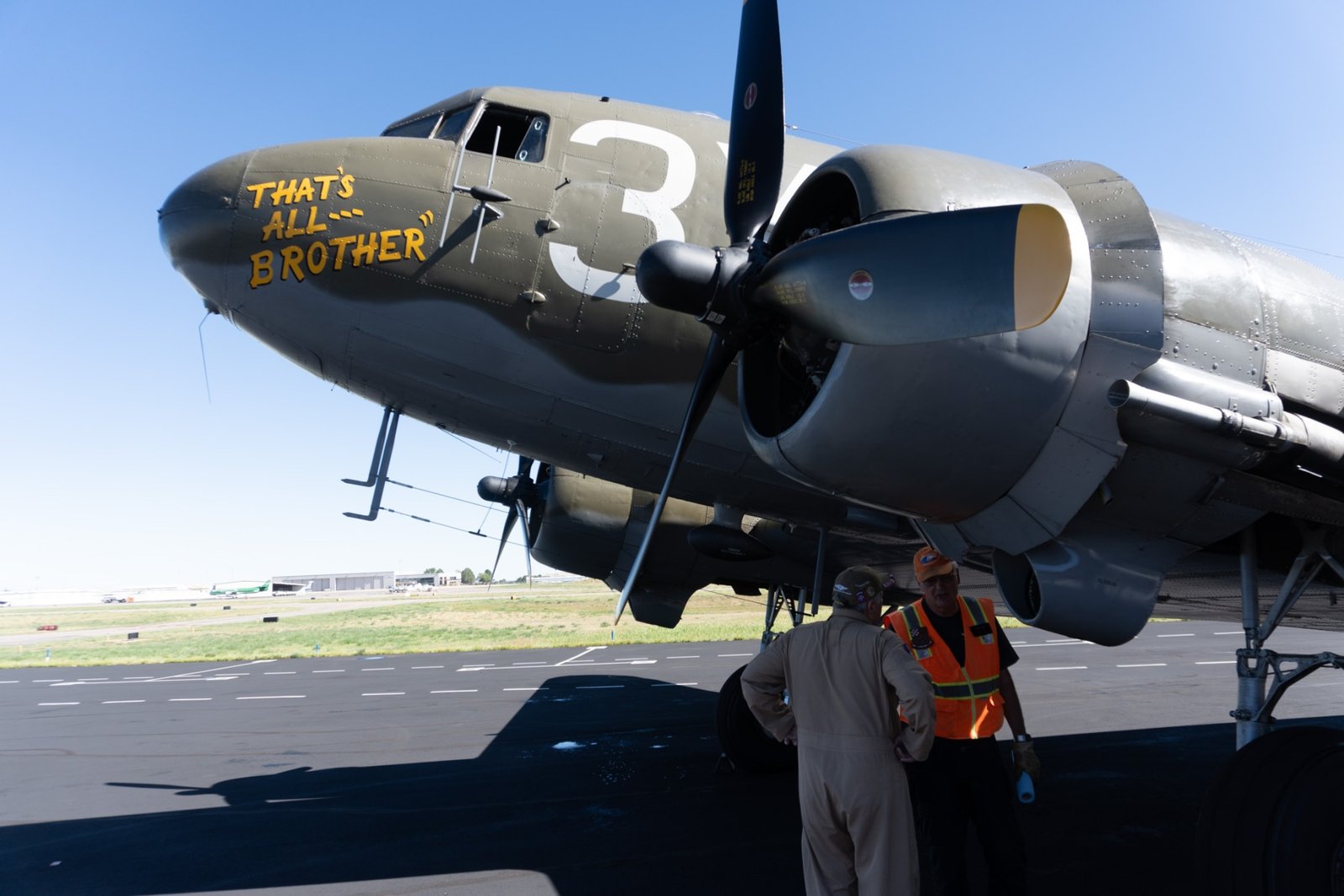
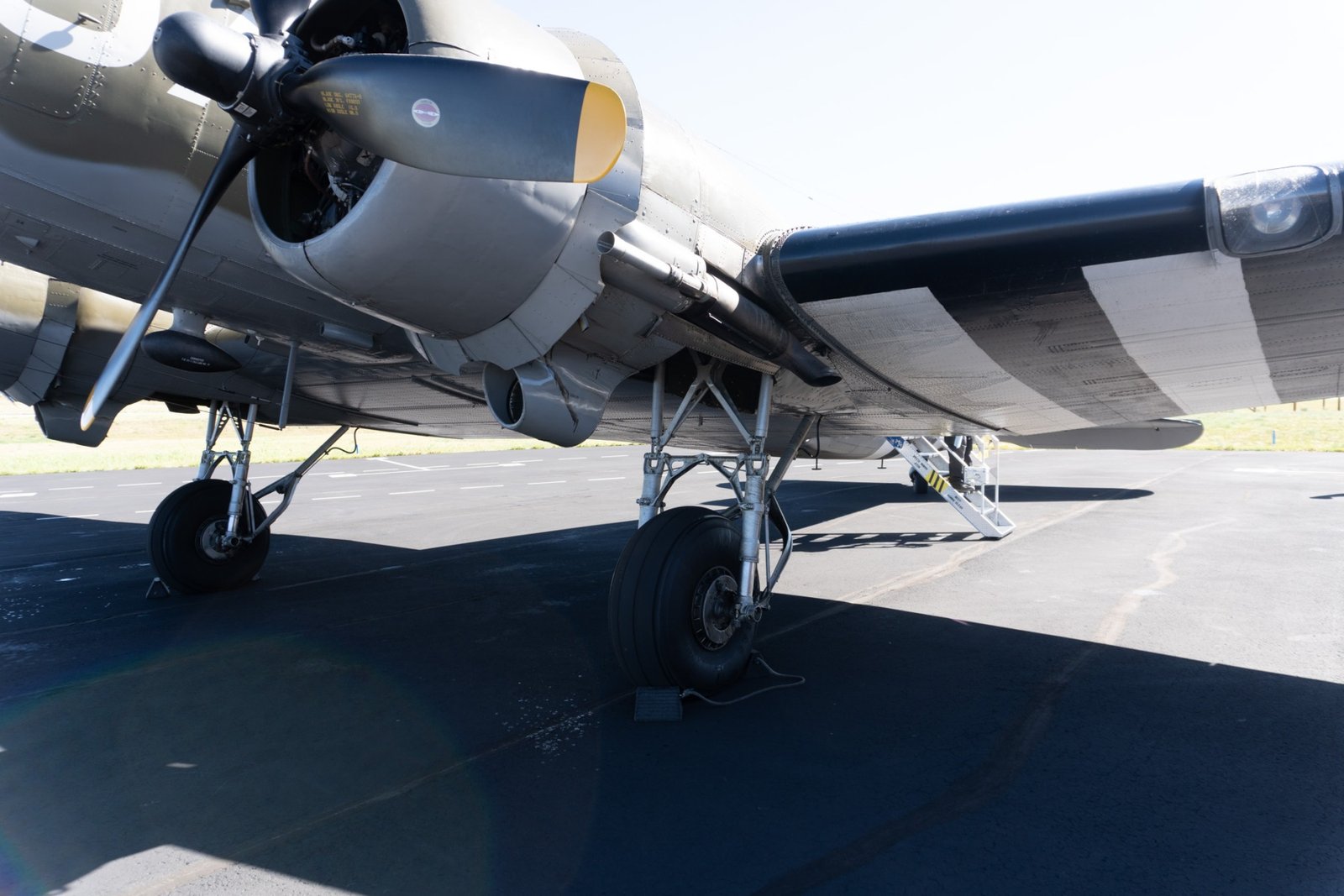
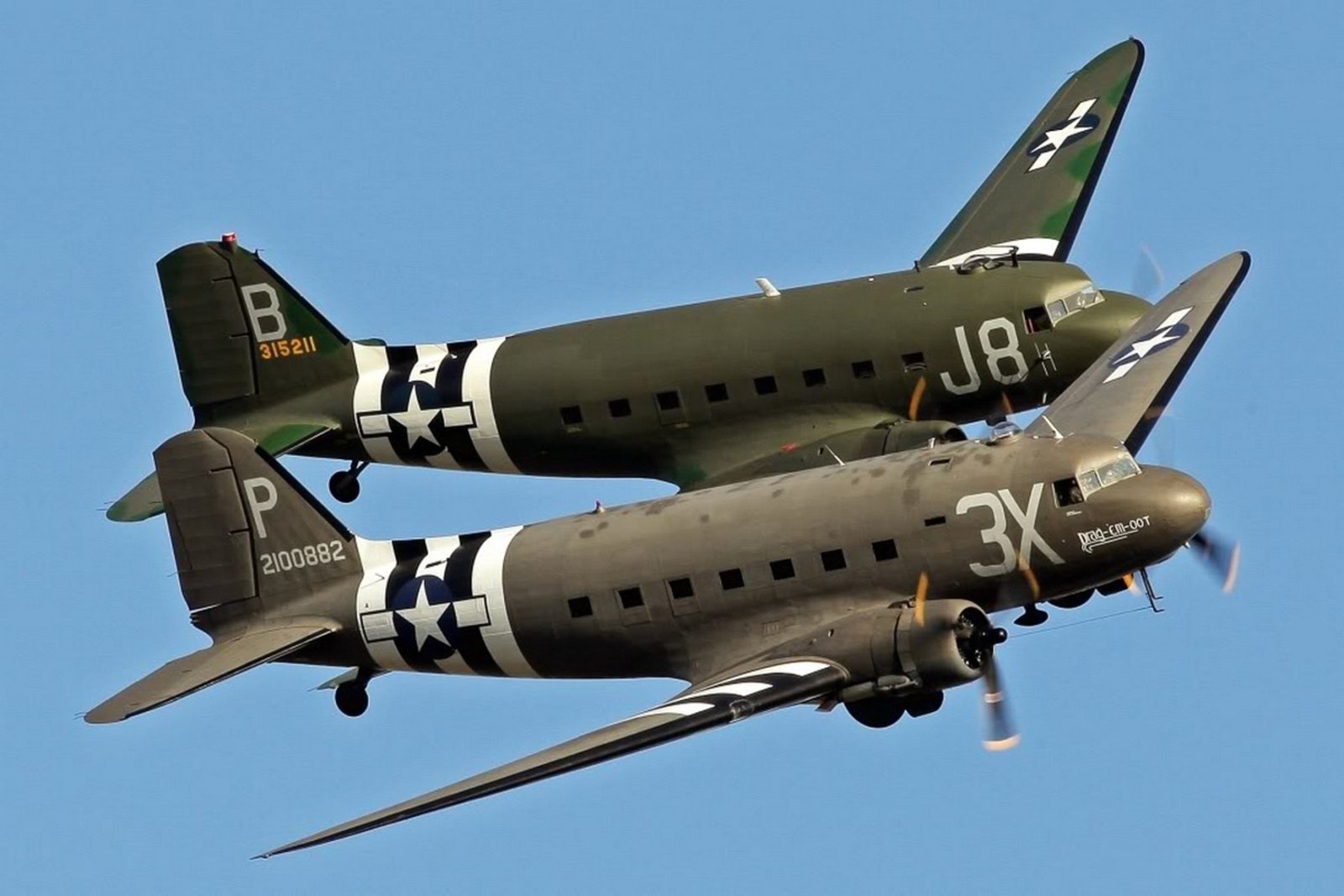
The C-47 differed from the civilian DC-3 by way of numerous modifications, including being fitted with a cargo door, hoist attachment and strengthened floor – along with a shortened tail cone for glider-towing shackles, and an astrodome in the cabin roof.
During World War II, the armed forces of many countries used the C-47 and modified DC-3s for the transport of troops, cargo, and wounded. The U.S. naval designation was R4D. More than 10,000 aircraft were produced in Long Beach and Santa Monica, California, and Oklahoma City, Oklahoma. Between March 1943 and August 1945, the Oklahoma City plant produced 5,354 C-47s.
Operational history in World War II
The C-47 was vital to the success of many Allied campaigns, in particular, those at Guadalcanal and in the jungles of New Guinea and Burma, where the C-47 and its naval version, the R4D, made it possible for Allied troops to counter the mobility of the light-traveling Japanese Army. C-47s were used to airlift supplies to the encircled American forces during the Battle of Bastogne in Belgium. Possibly its most influential role in military aviation, however, was flying “The Hump” from India into China. The expertise gained flying “The Hump” was later used in the Berlin Airlift, in which the C-47 played a major role until the aircraft were replaced by Douglas C-54 Skymasters.
More than 50,000 paratroops were dropped by C-47s during the first few days of the D-Day campaign also known as the invasion of Normandy, France, in June 1944. In the Pacific War, with careful use of the island landing strips of the Pacific Ocean, C-47s were used for ferrying soldiers serving in the Pacific theater back to the United States.
Specifications (C-47B-DK)
Crew: 4 (pilot, co-pilot, navigator, radio operator)
Capacity: 28 troops or 6,000 lb of cargo
Length: 63 ft 9 in
Wingspan: 95 ft 6 in
Height: 17 ft 0 in
Empty weight: 18,135 lb (8,226 kg)
Max takeoff weight: 31,000 lb (14,061 kg)
Powerplant: 2 × Pratt & Whitney R-1830-90C Twin Wasp 14-cylinder air-cooled radial piston engines, 1,200 hp each
Propellers: 3-bladed constant-speed propellers
Performance
Maximum speed: 224 mph (360 km/h, 195 kn) at 10,000 ft (3,000 m)
Range: 1,600 mi (2,600 km, 1,400 nmi)
Ferry range: 3,600 mi (5,800 km, 3,100 nmi)
Service ceiling: 26,400 ft (8,000 m)