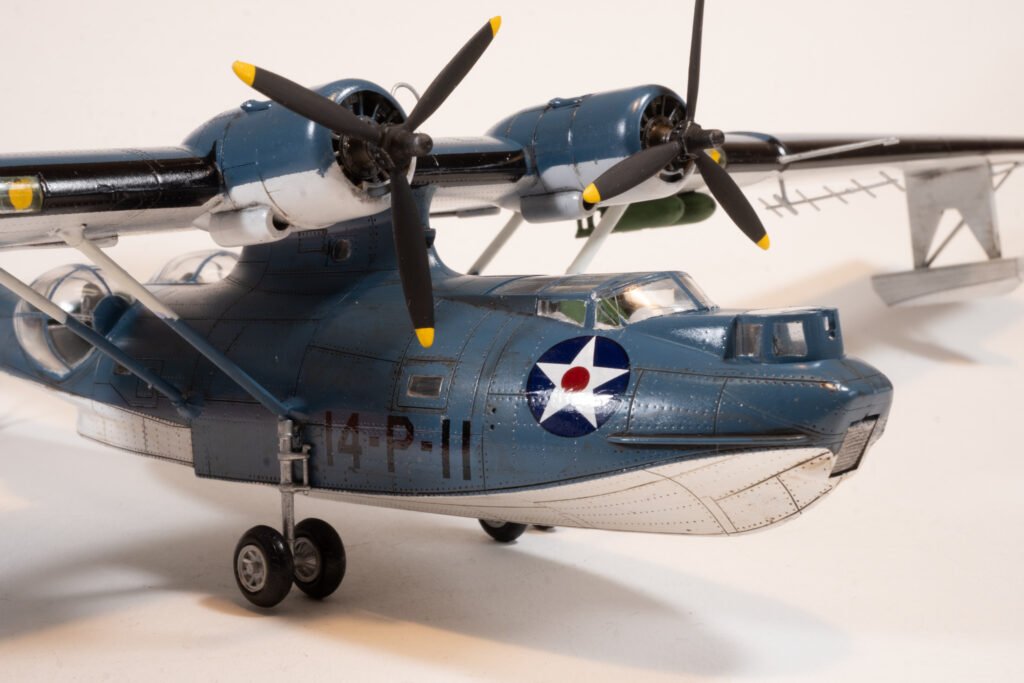
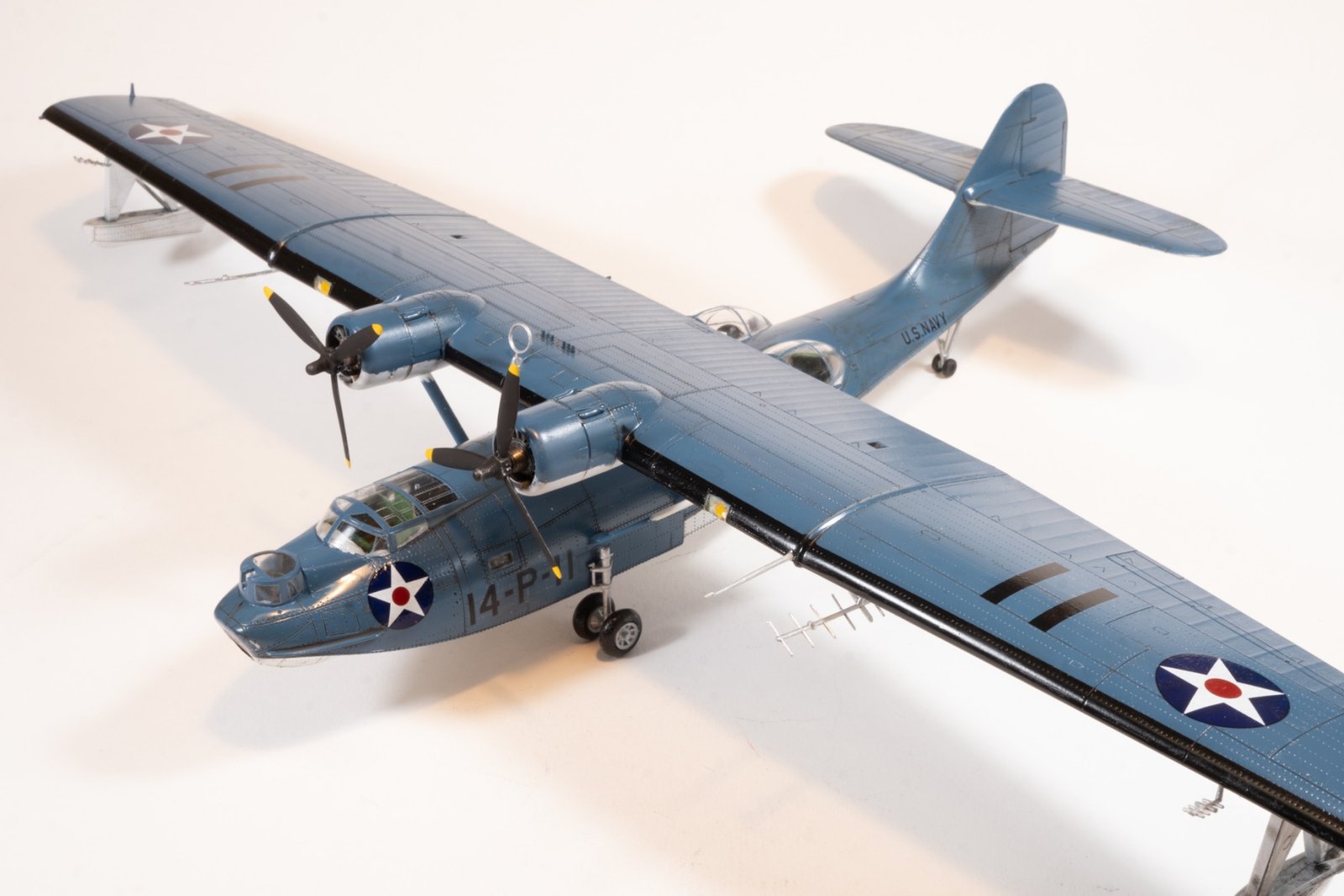
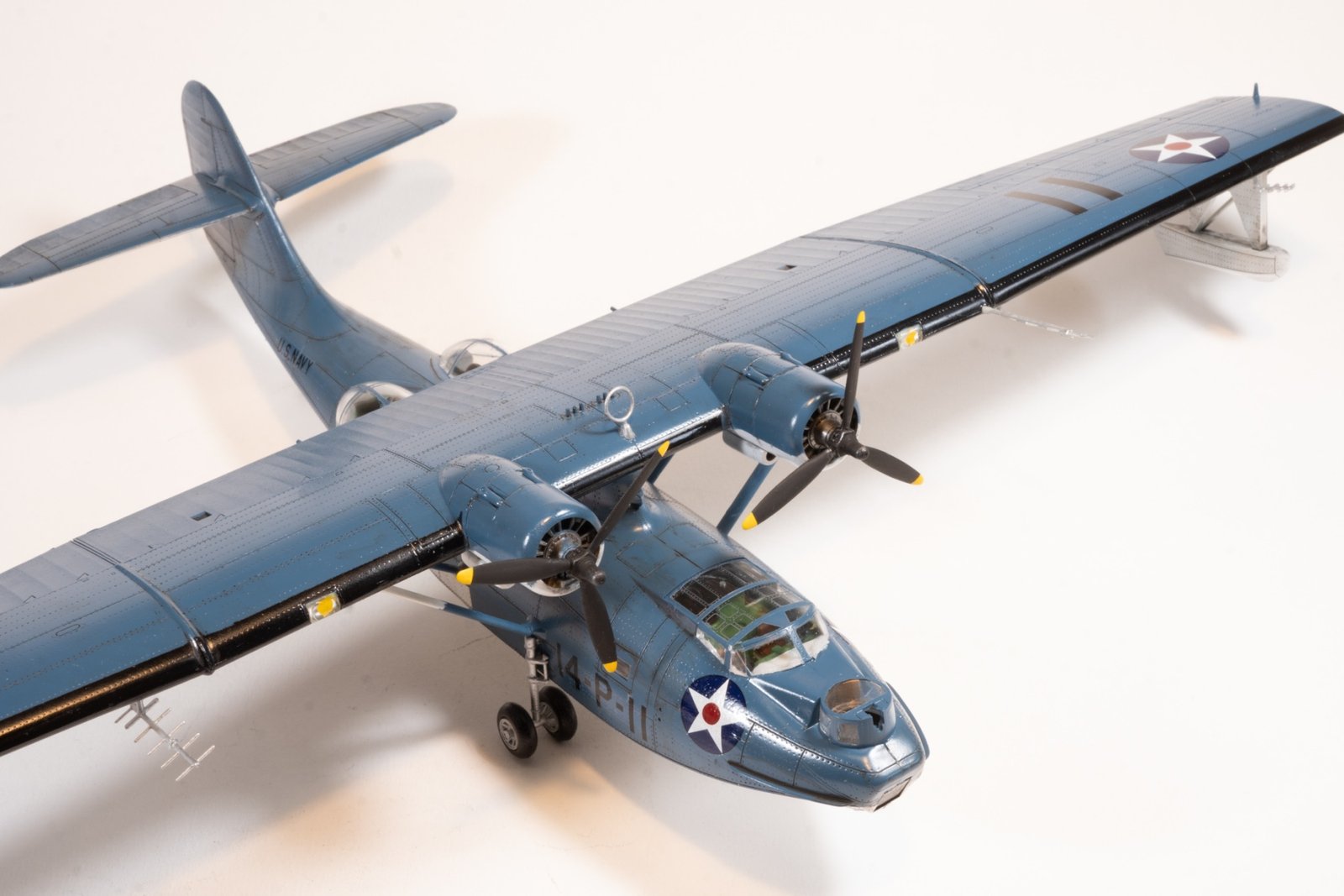
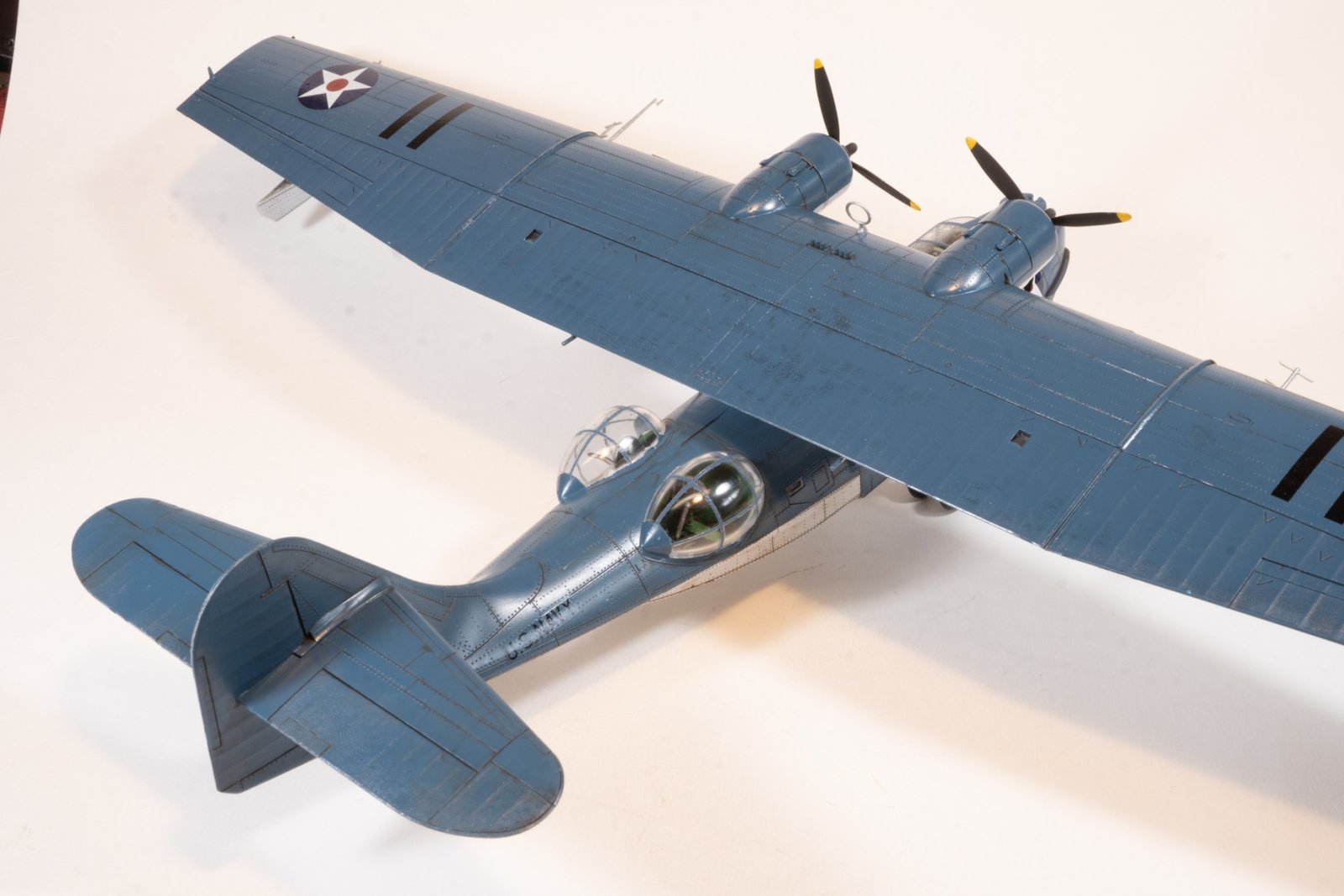
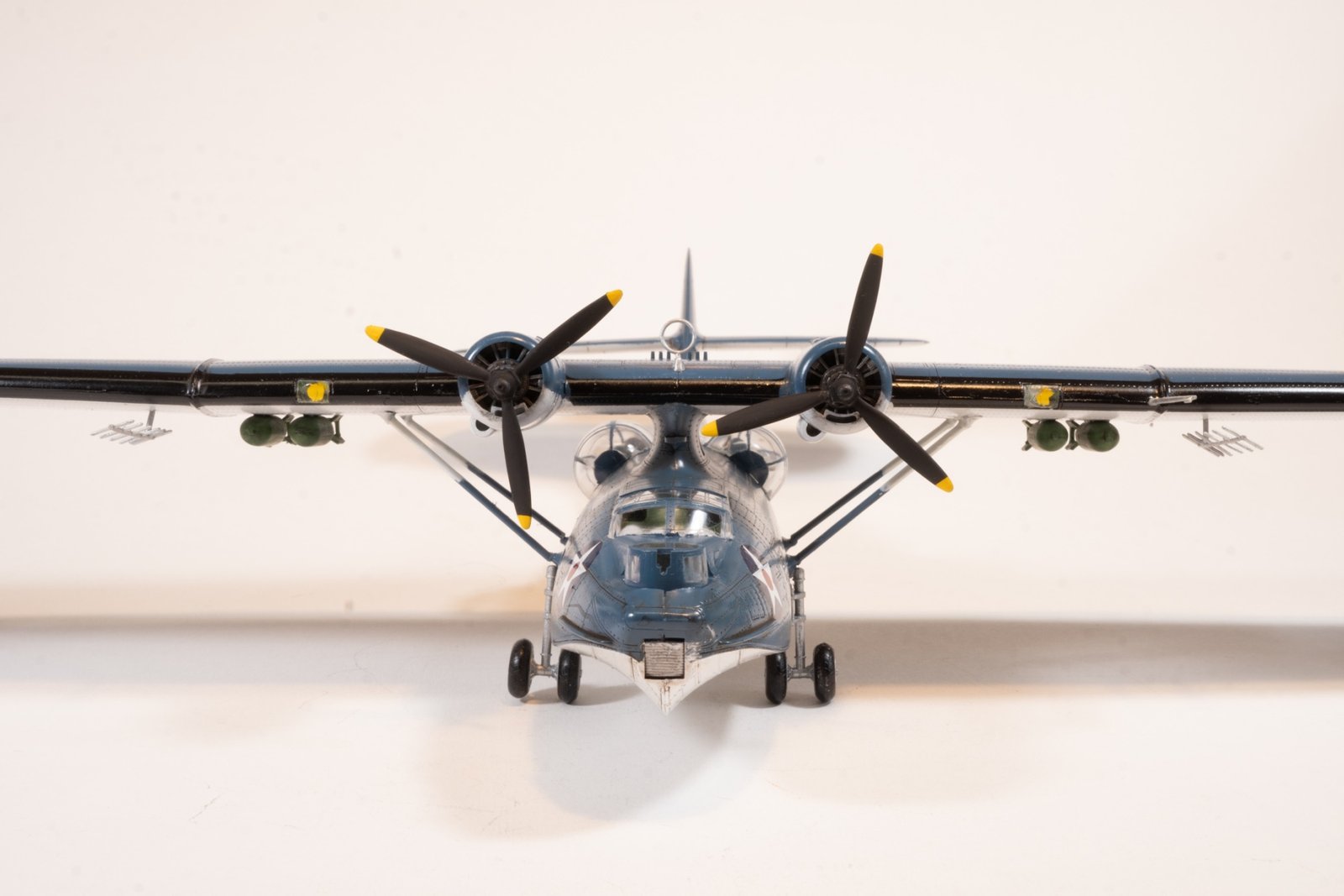
The PBY Catalina (US Navy designation), is a flying boat and amphibious aircraft that was produced in the 1930s and 1940s. It was one of the most widely used seaplanes of World War II. Catalinas served with every branch of the United States Armed Forces and in the air forces and navies of many other nations. The last military PBYs served until the 1980s. As of 2021, 86 years after its first flight, the aircraft continues to fly as a waterbomber (or airtanker) in aerial firefighting operations in some parts of the world. No Catalinas remain in military service.
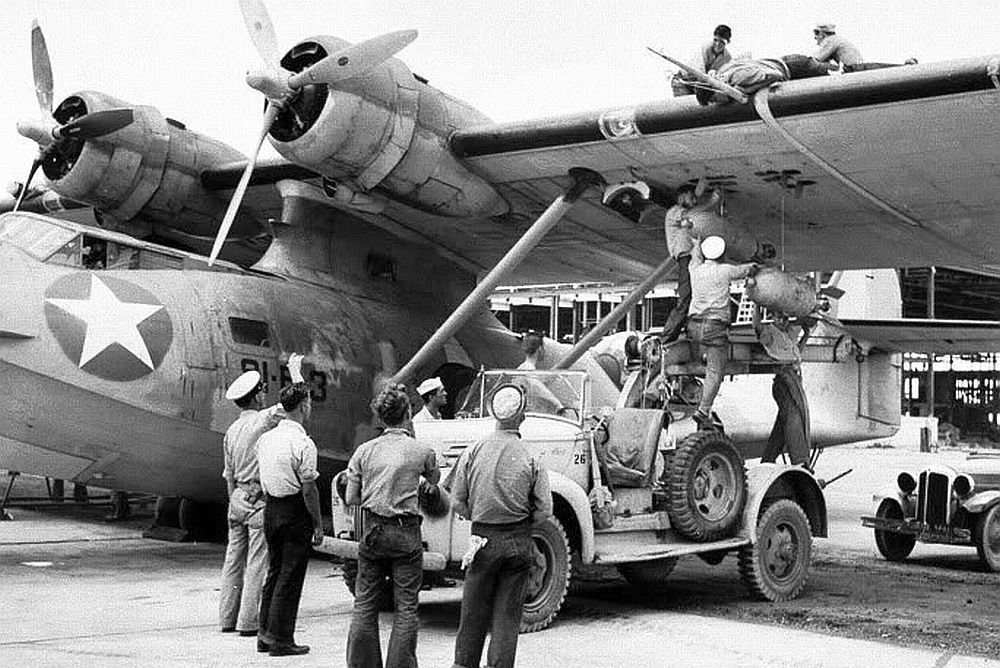
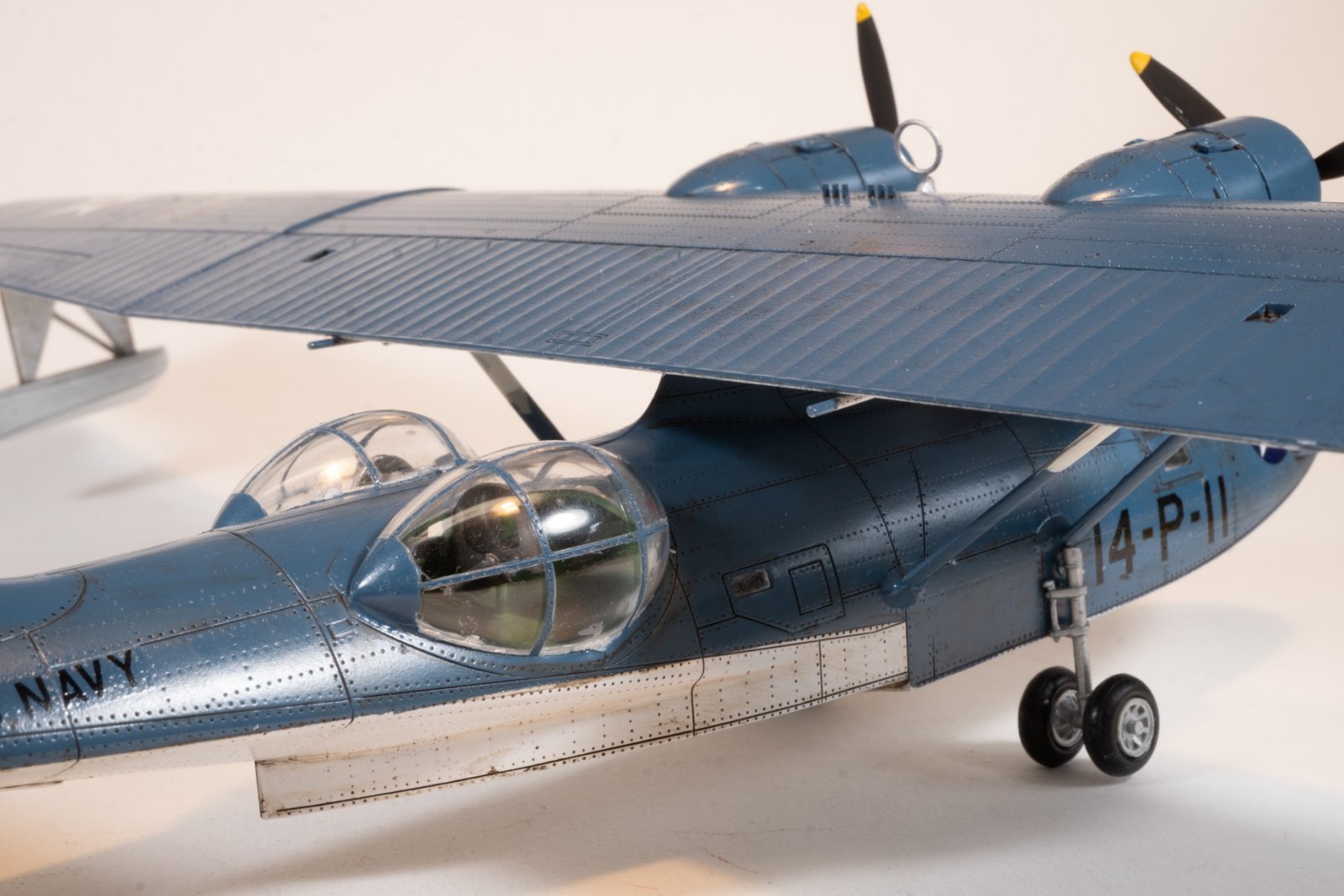
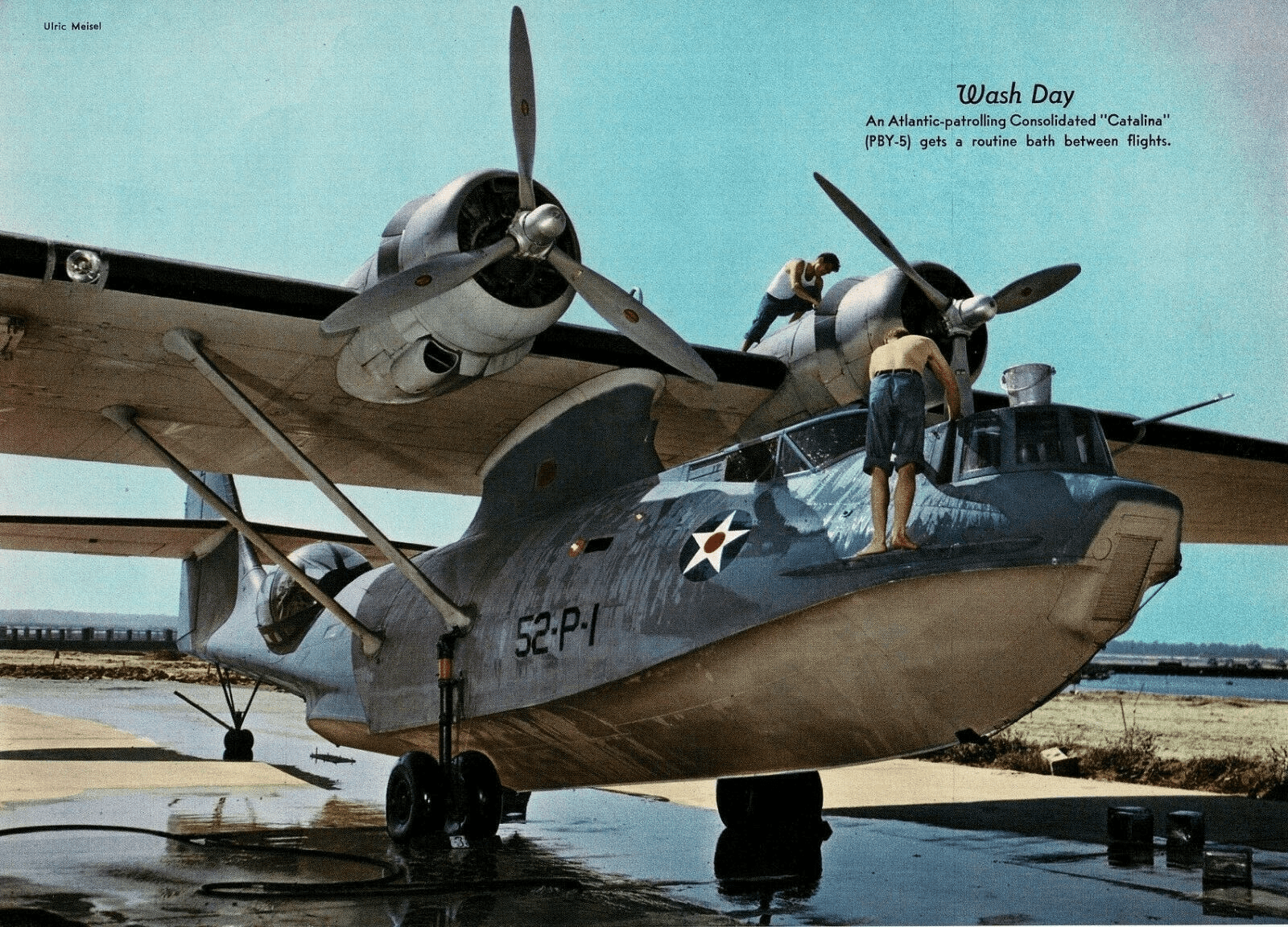
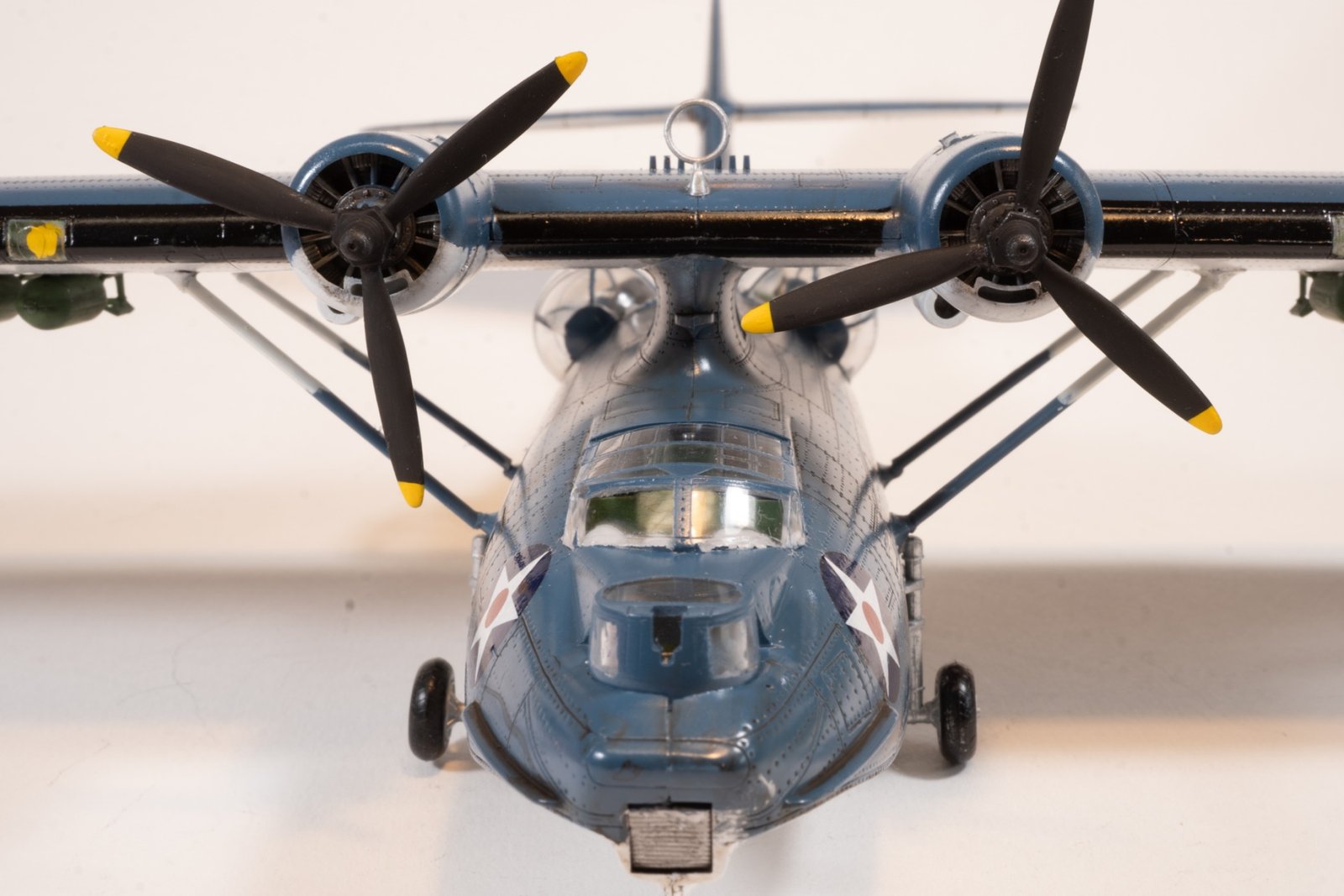
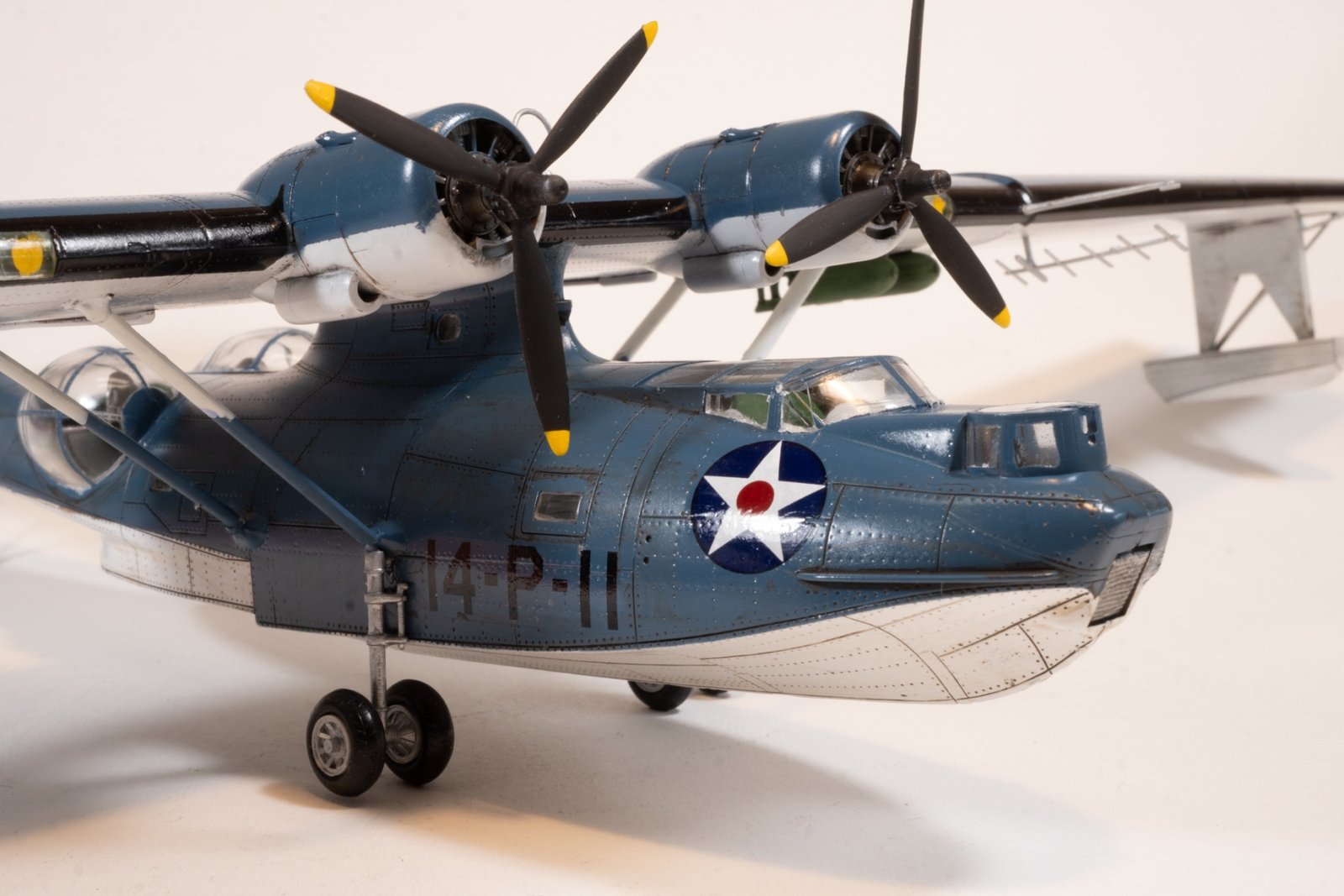
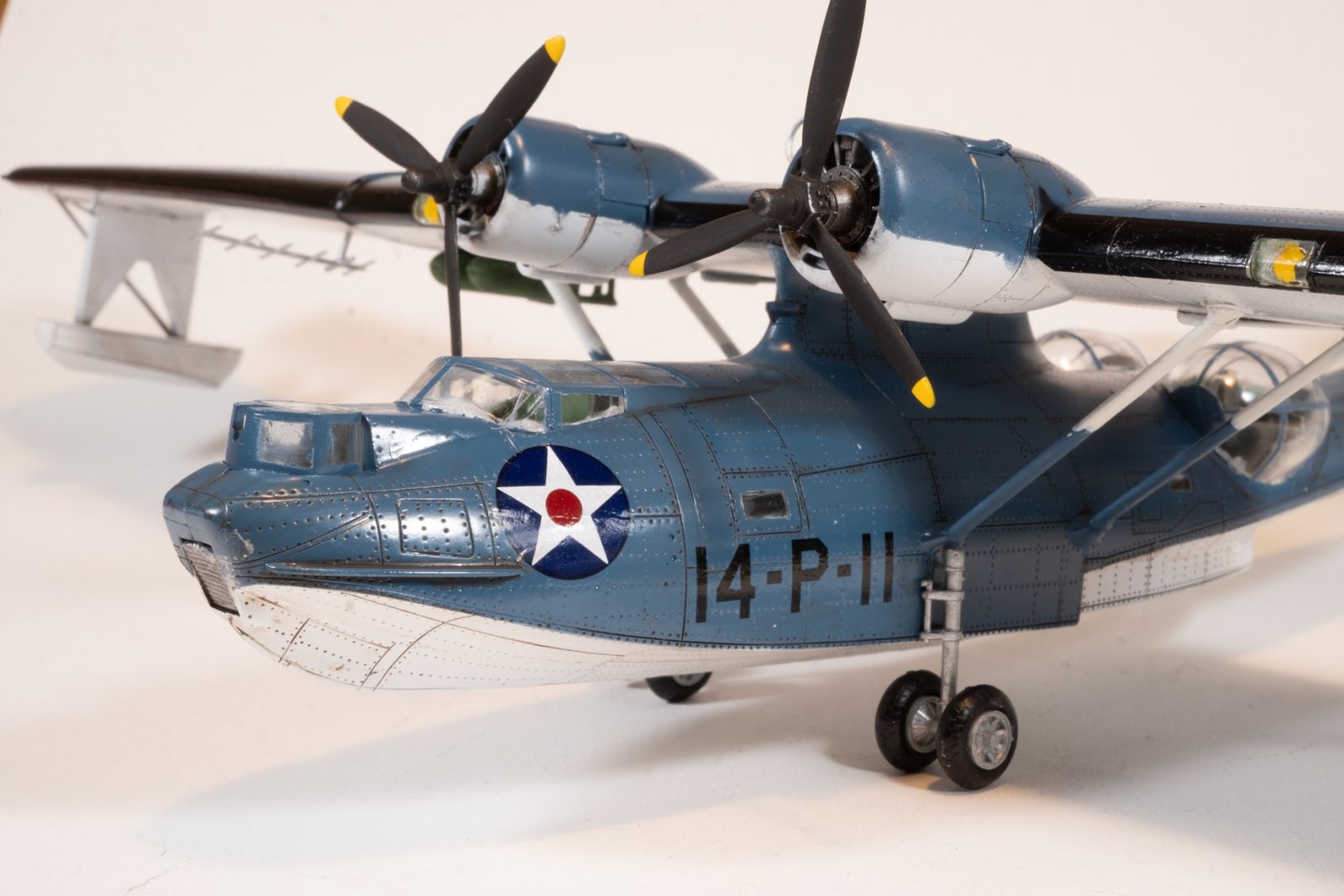
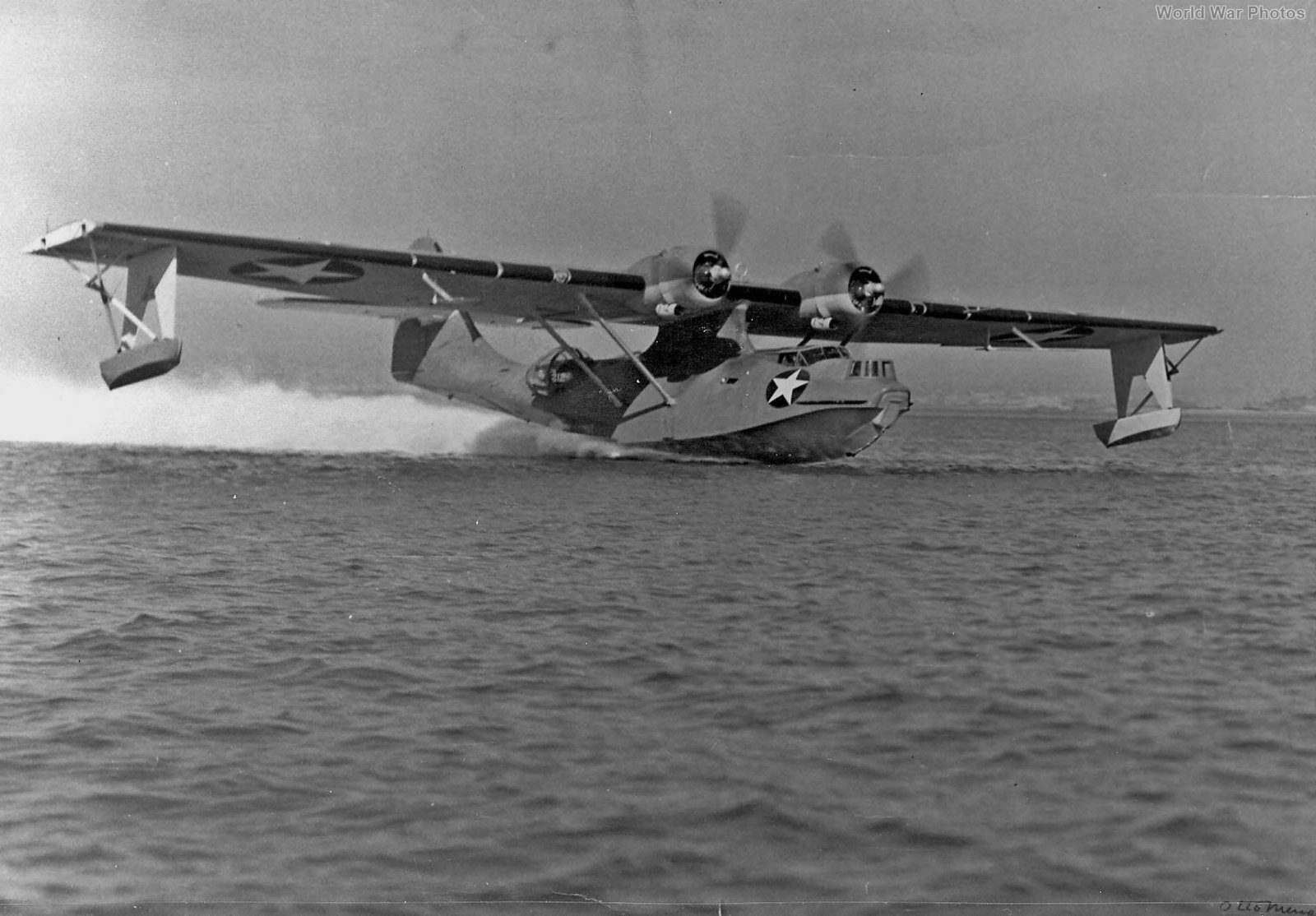
Background
The PBY was originally designed to be a patrol bomber, an aircraft with a long operational range intended to locate and attack enemy transport ships at sea in order to disrupt enemy supply lines. With a mind to a potential conflict in the Pacific Ocean, where troops would require resupply over great distances, the U.S. Navy in the 1930s invested millions of dollars in developing long-range flying boats for this purpose. Flying boats had the advantage of not requiring runways, in effect having the entire ocean available.
The designation “PBY” was determined in accordance with the U.S. Navy aircraft designation system of 1922; PB representing “Patrol Bomber” and Y being the code assigned to Consolidated Aircraft as its manufacturer. Catalinas built by other manufacturers for the U.S. Navy were designated according to different manufacturer codes, thus Canadian Vickers-built examples were designated PBV, Boeing Canada examples PB2B (there already being a Boeing PBB) and Naval Aircraft Factory examples were designated PBN.
Roles in World War II
The PBY was the most numerous aircraft of its kind, with around 3,300 aircraft built.
During World War II, PBYs were used in anti-submarine warfare, patrol bombing, convoy escort, search and rescue missions (especially air-sea rescue), and cargo transport.
The type operated in nearly all operational theatres of World War II. The Catalina served with distinction and played a prominent and invaluable role in the war against Japan.
General characteristics
Crew: 10 (pilot, co-pilot, bow turret gunner, flight engineer, radio operator, navigator, radar operator, two waist gunners and ventral gunner)
Length: 63 ft 10.875 in
Wingspan: 104 ft
Height: 21 ft 1 in
Empty weight: 20,910 lb
Max takeoff weight: 35,420 lb
Powerplant: 2 × Pratt & Whitney R-1830-92 Twin Wasp 14-cylinder air-cooled radial piston engines, 1,200 hp (890 kW) each
Propellers: 3-bladed constant-speed propellers
Performance
Maximum speed: 196 mph
Cruise speed: 125 mph
Range: 2,520 mi
Service ceiling: 15,800 ft
Rate of climb: 1,000 ft/min
Armament
Guns: 3 x .30 calmachine guns (two in nose turret, one in ventral hatch at tail)
2 x .50 cal machine guns (one in each waist blister)
Bombs: 4,000 lb of bombs or depth charges; torpedo racks were also available