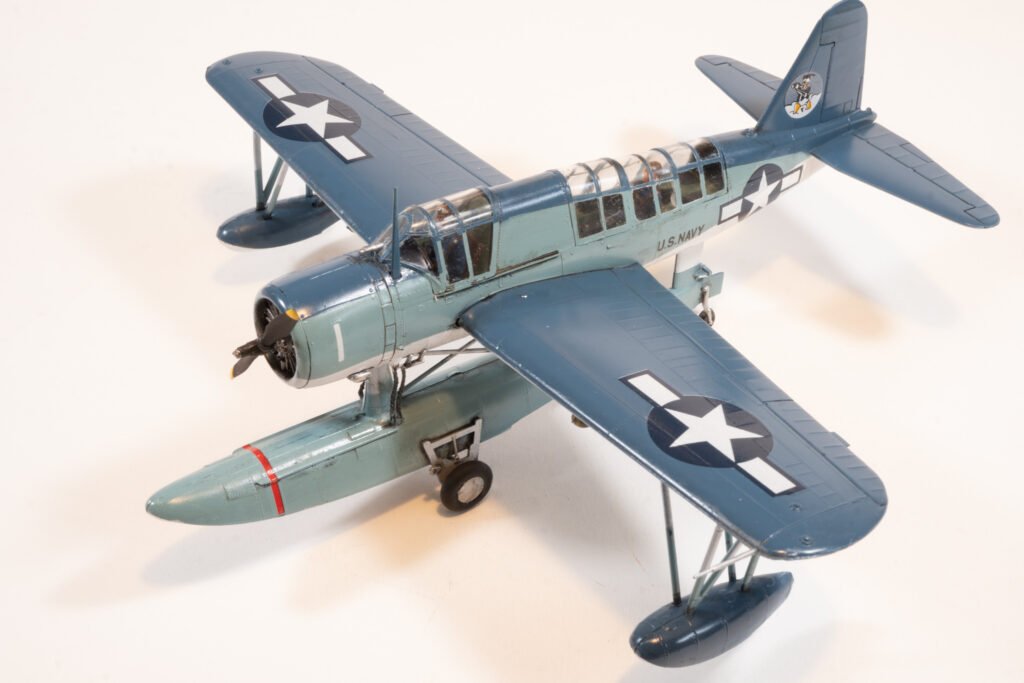
The Vought OS2U Kingfisher is an American catapult-launched observation floatplane. It was a compact mid-wing monoplane, with a large central float and small stabilizing floats. Performance was modest because of its low-powered engine. The OS2U could also operate on fixed, wheeled, taildragger landing gear.
The OS2U was the main shipboard observation seaplane used by the United States Navy during World War II, and 1,519 of the aircraft were built. It served on battleships and cruisers of the U.S. Navy, with the United States Marine Corps in Marine Scouting Squadron Three (VMS-3), with the United States Coast Guard at coastal air stations; at sea with the Fleet Air Arm of the Royal Navy; with the Soviet Navy; and with the Royal Australian Air Force.
The first 54 Kingfishers were delivered to the U.S. Navy beginning in August 1940, and 6 had been assigned to the Pearl Harbor–based Battle Force before the end of the same year. Many of the following 158 OS2U-2s were attached to flight training at Naval Air Station Pensacola, Florida, but 53 were assigned to equip the newly established Inshore Patrol Squadrons, based at Naval Air Station Jacksonville, Florida. In 1942, nine more Inshore Patrol Squadrons were established, all exclusively equipped with OS2N-1s built by the Naval Aircraft Factory.
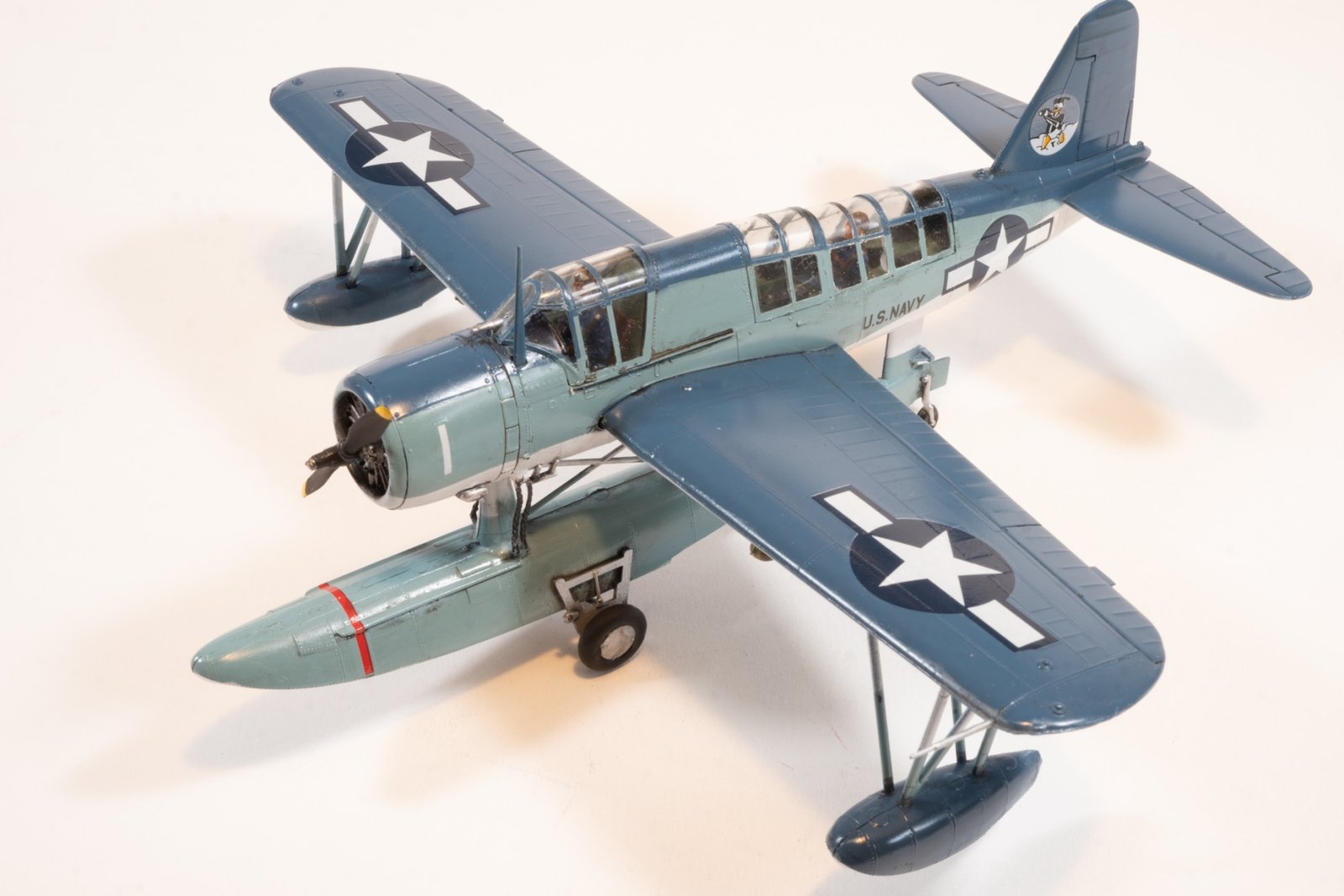
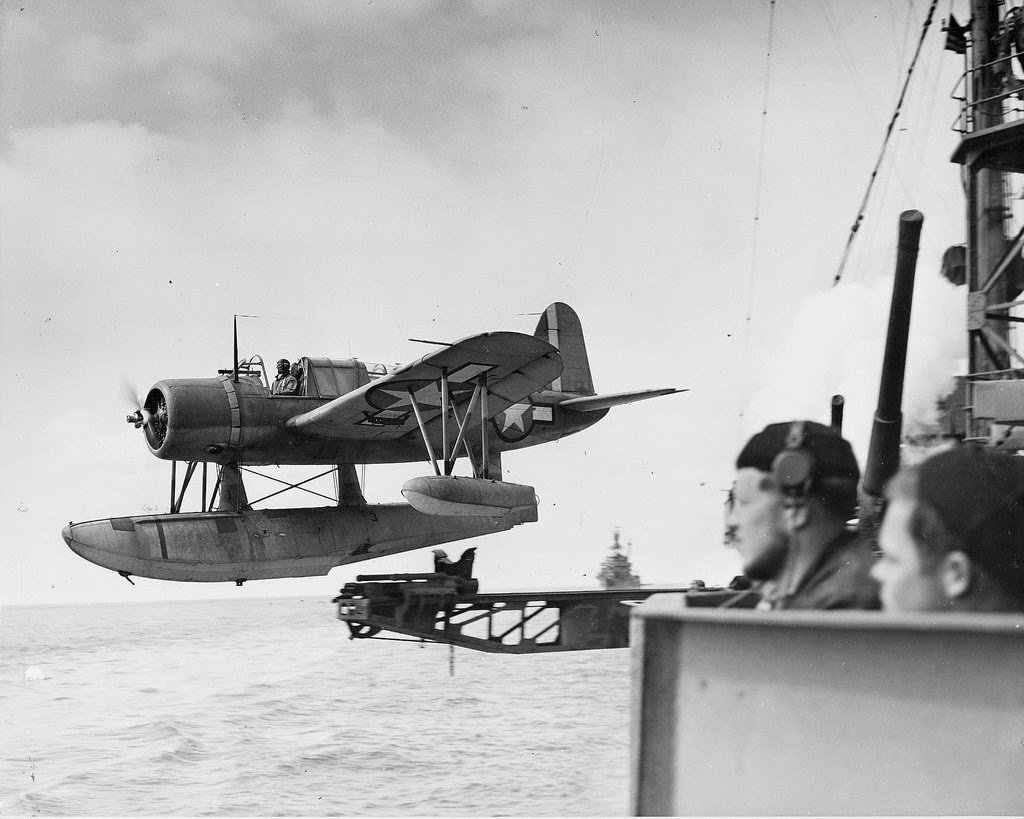
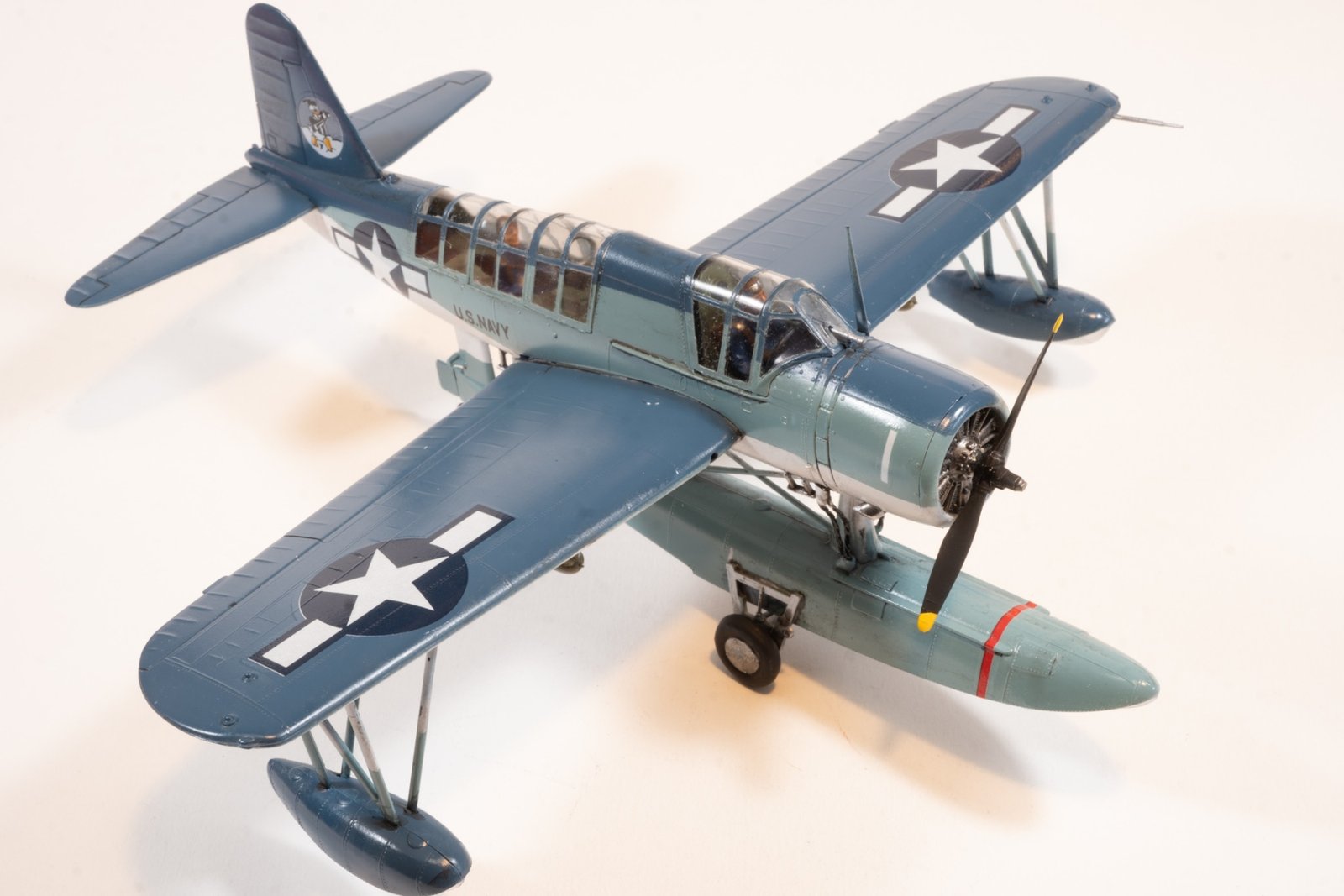
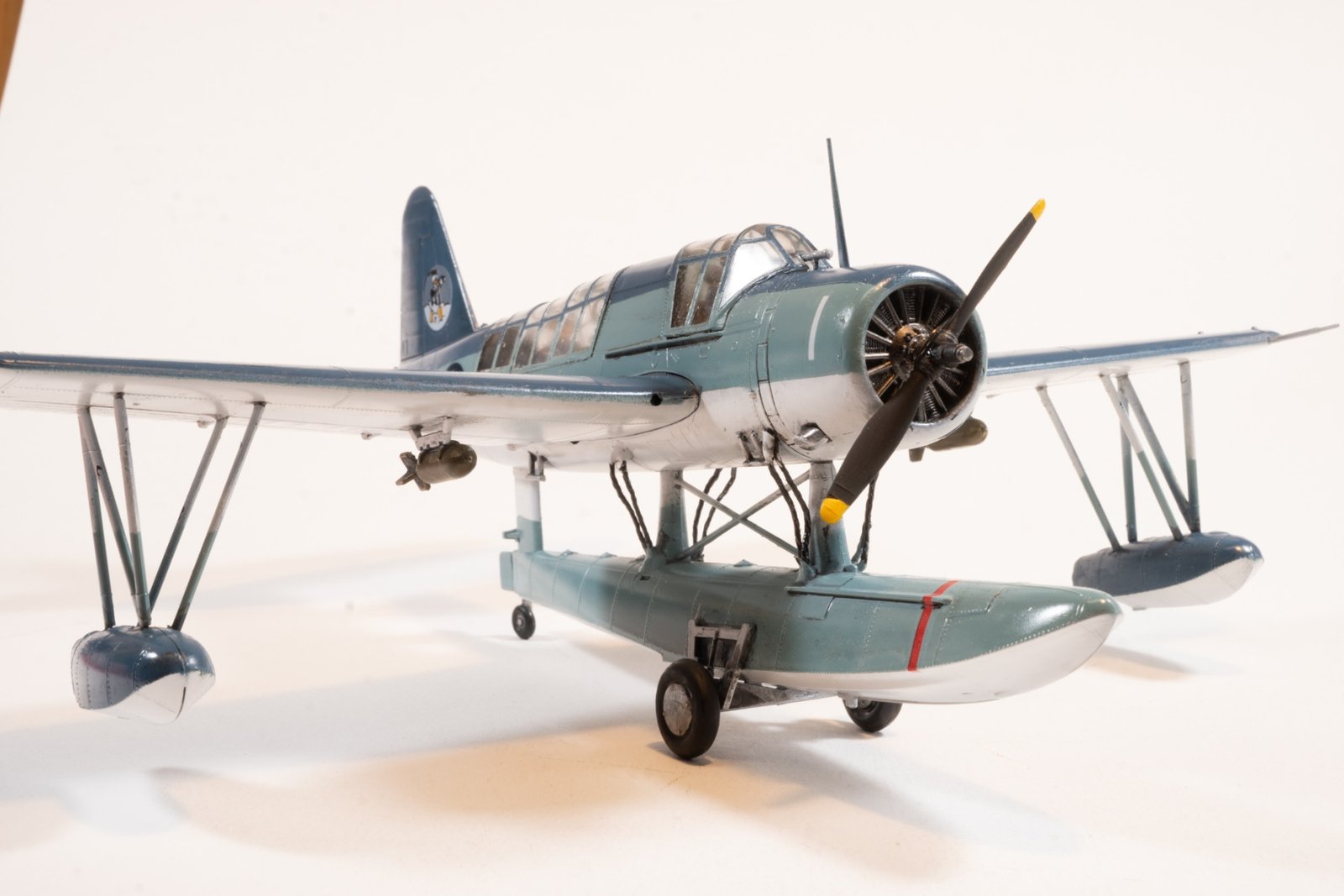
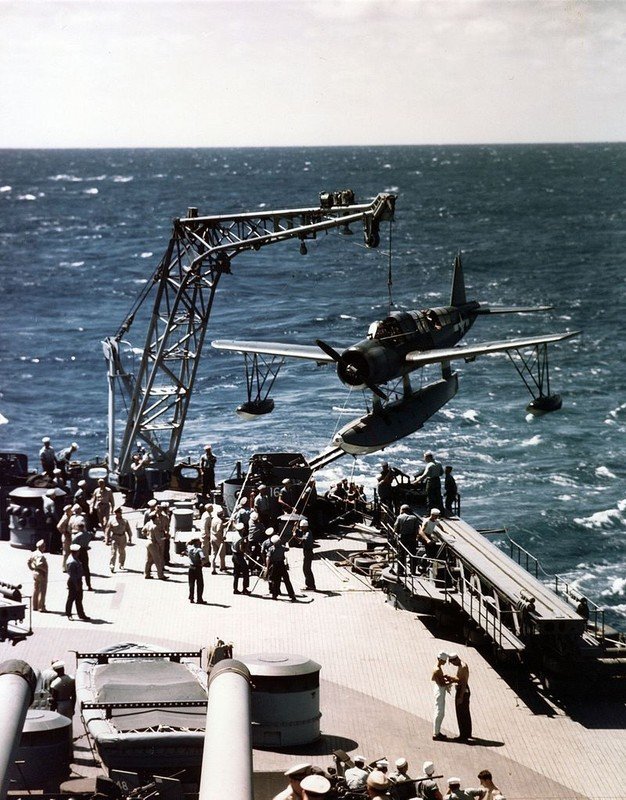
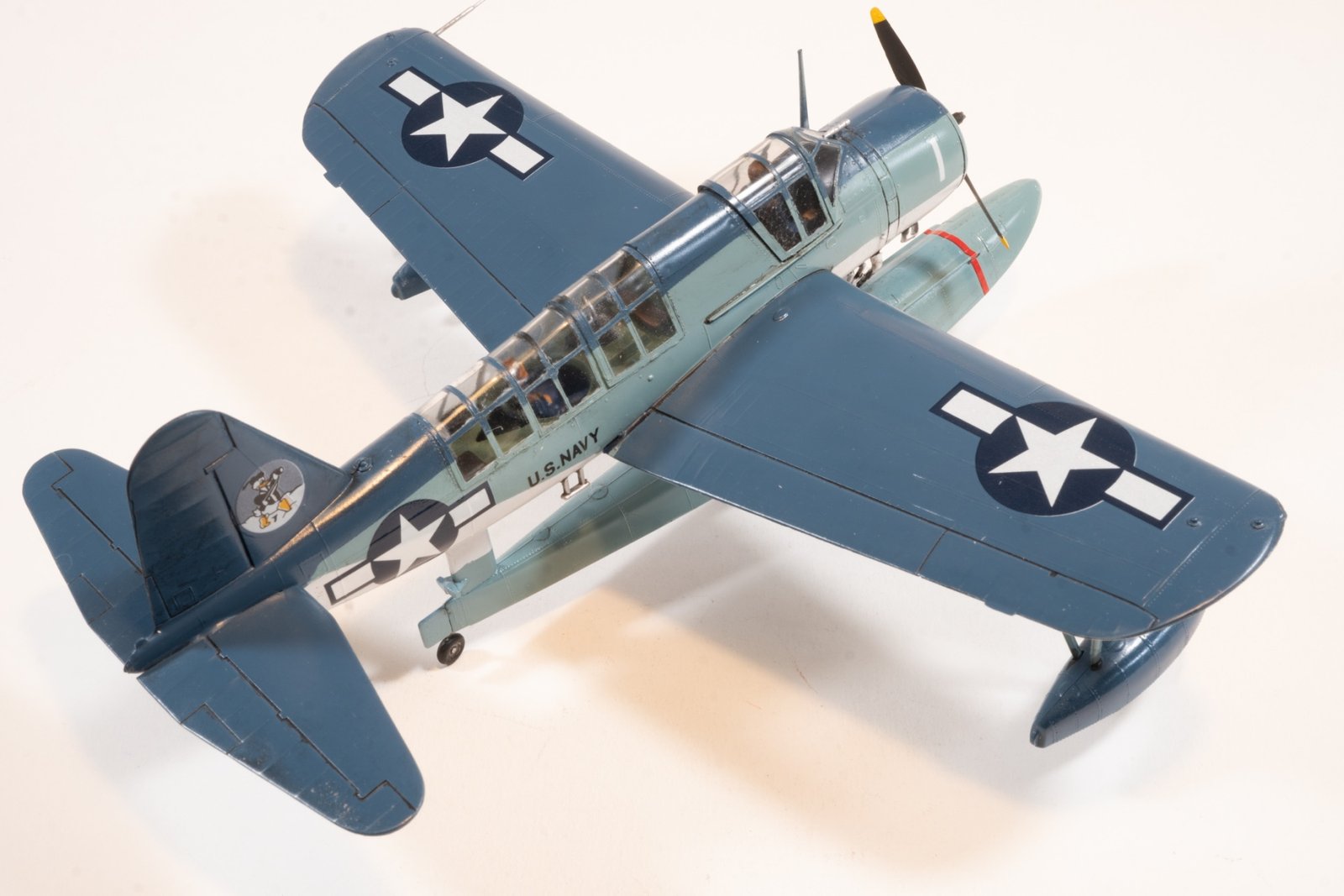
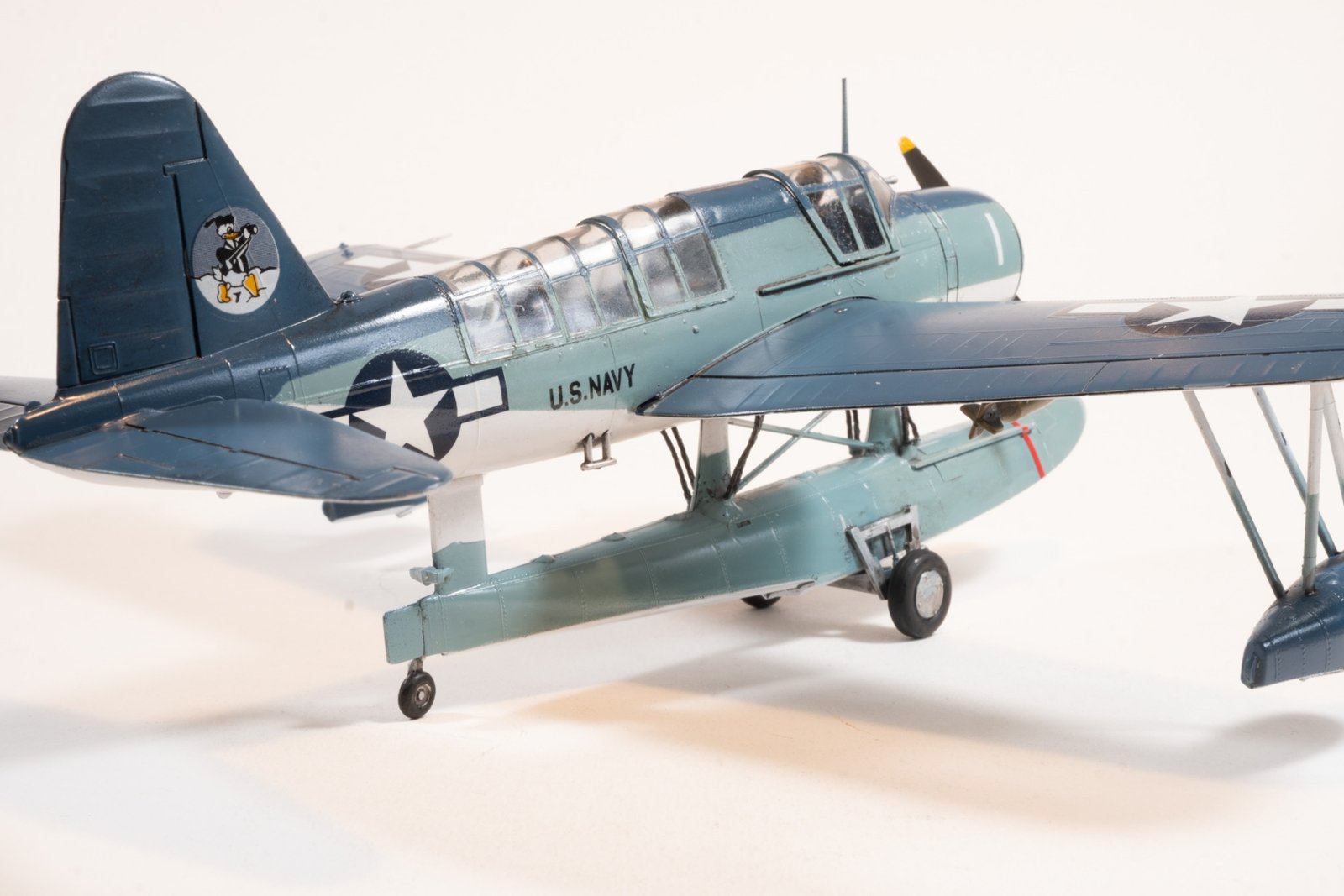
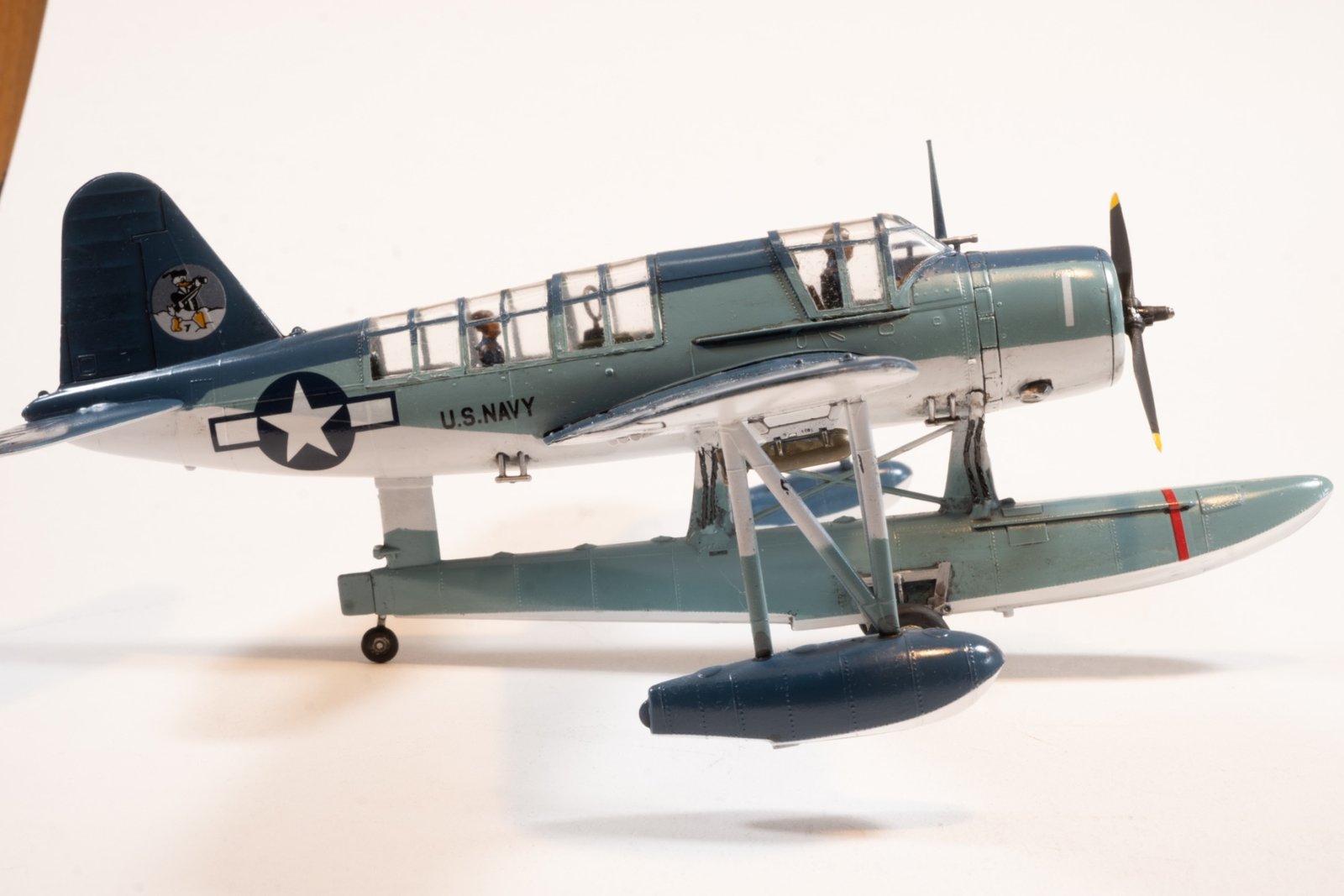
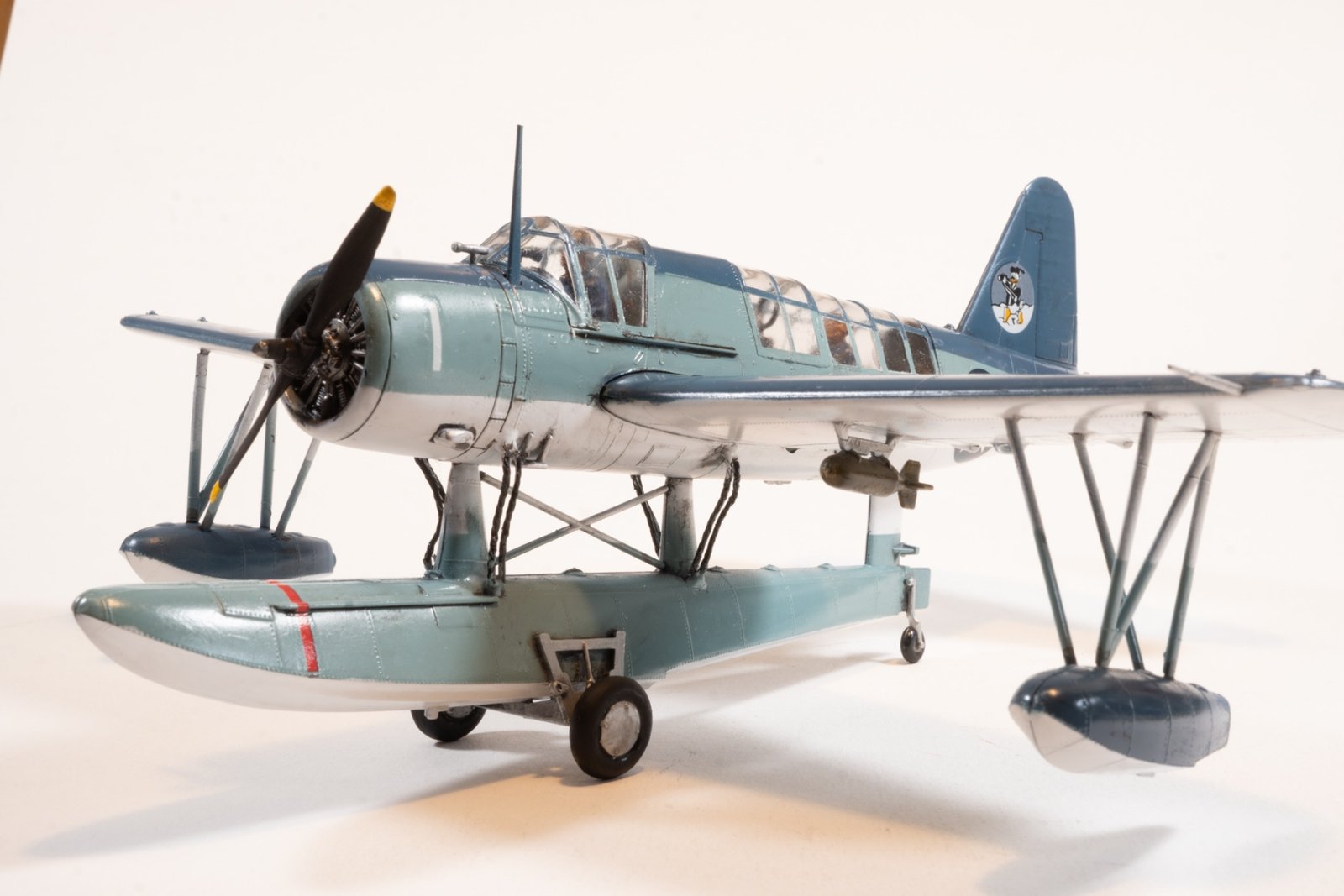
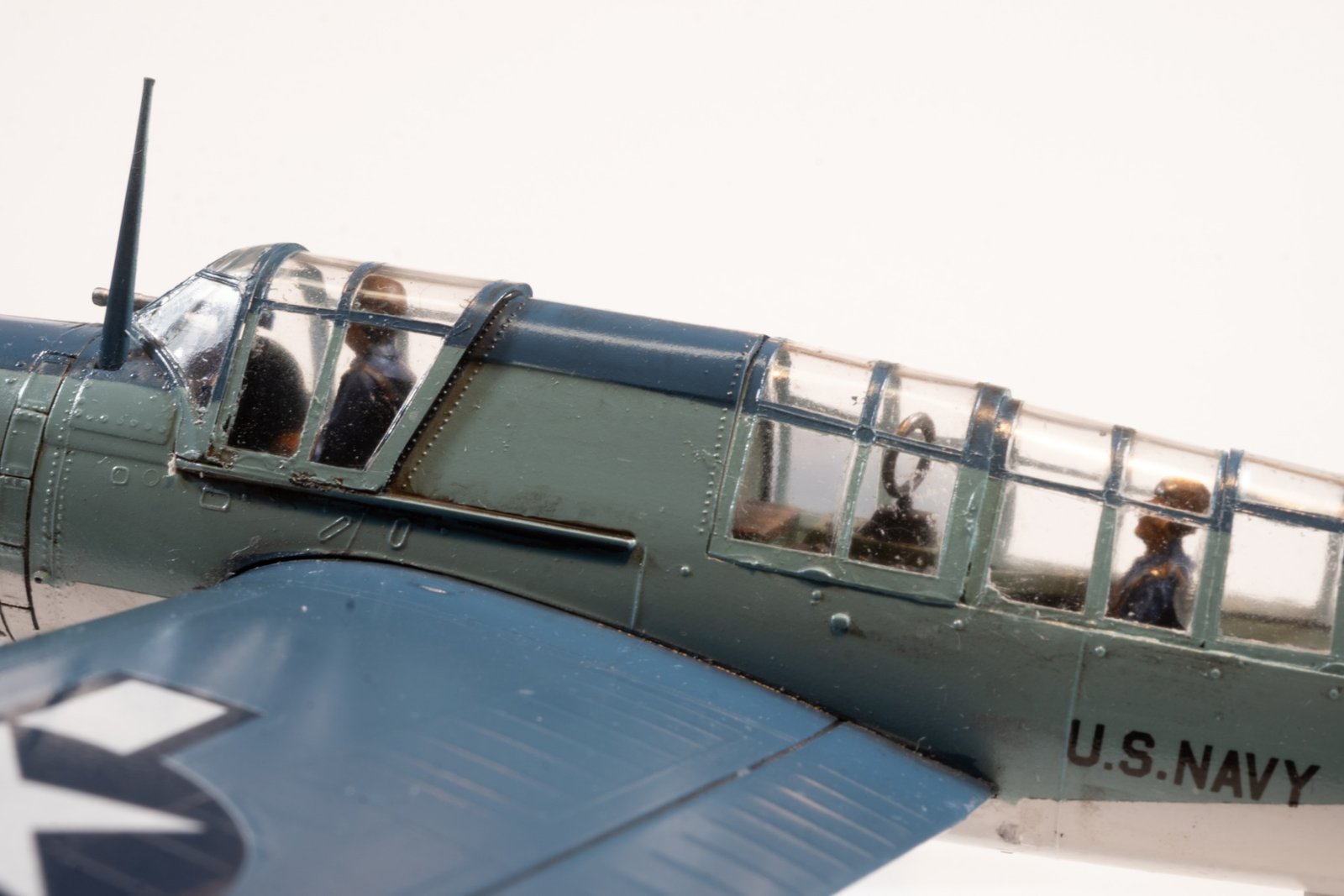
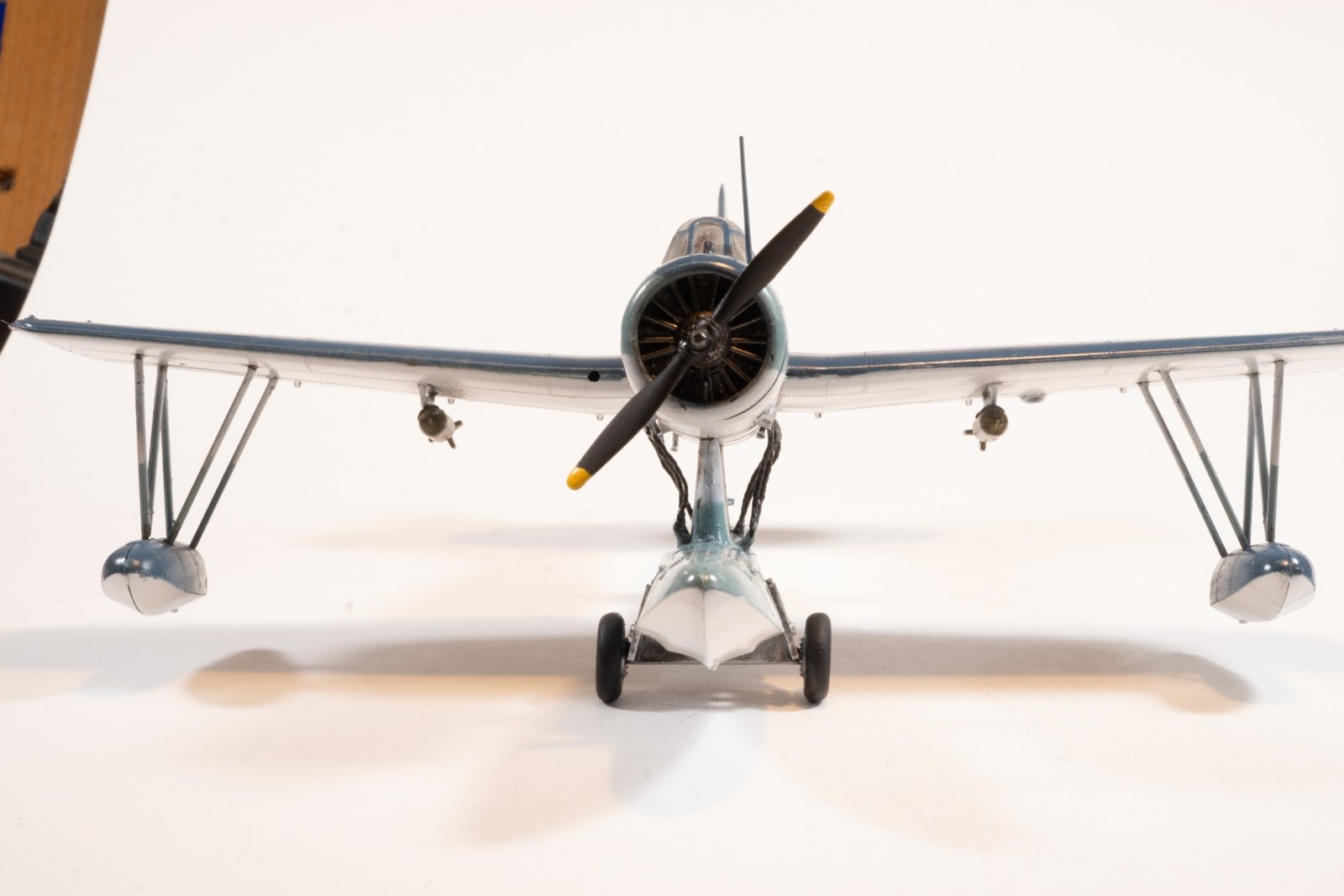
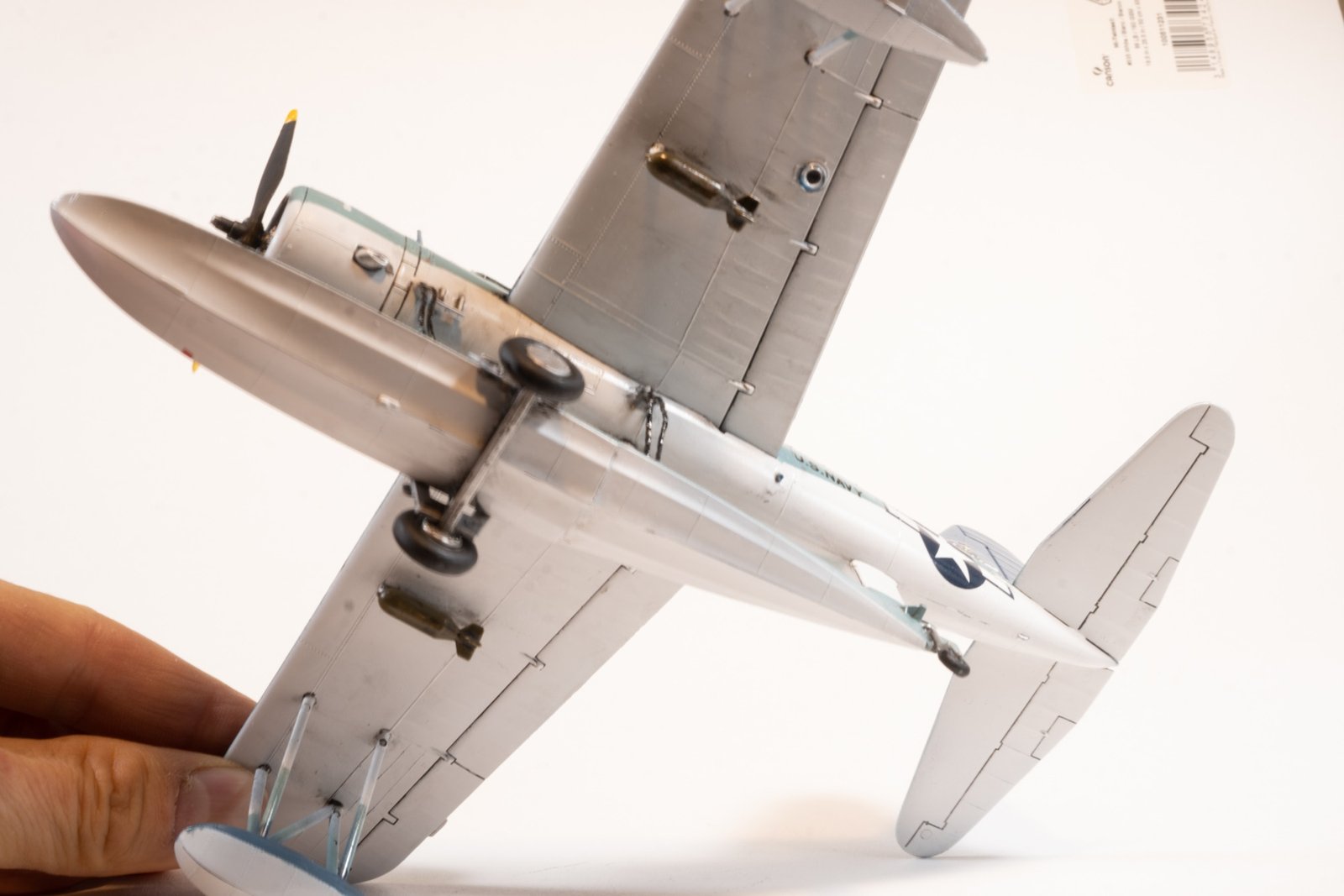
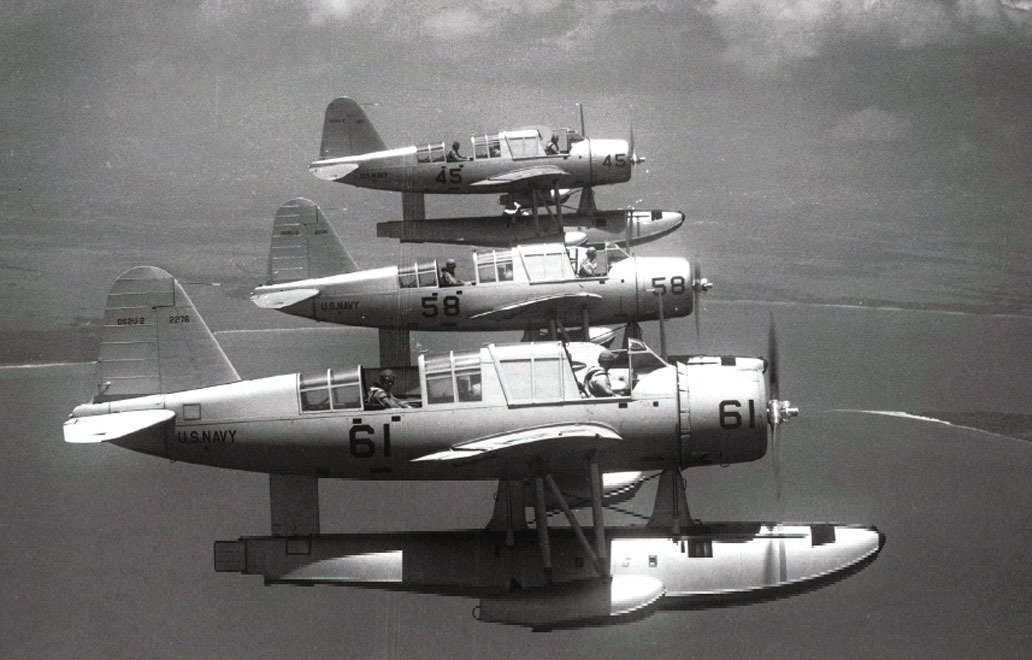
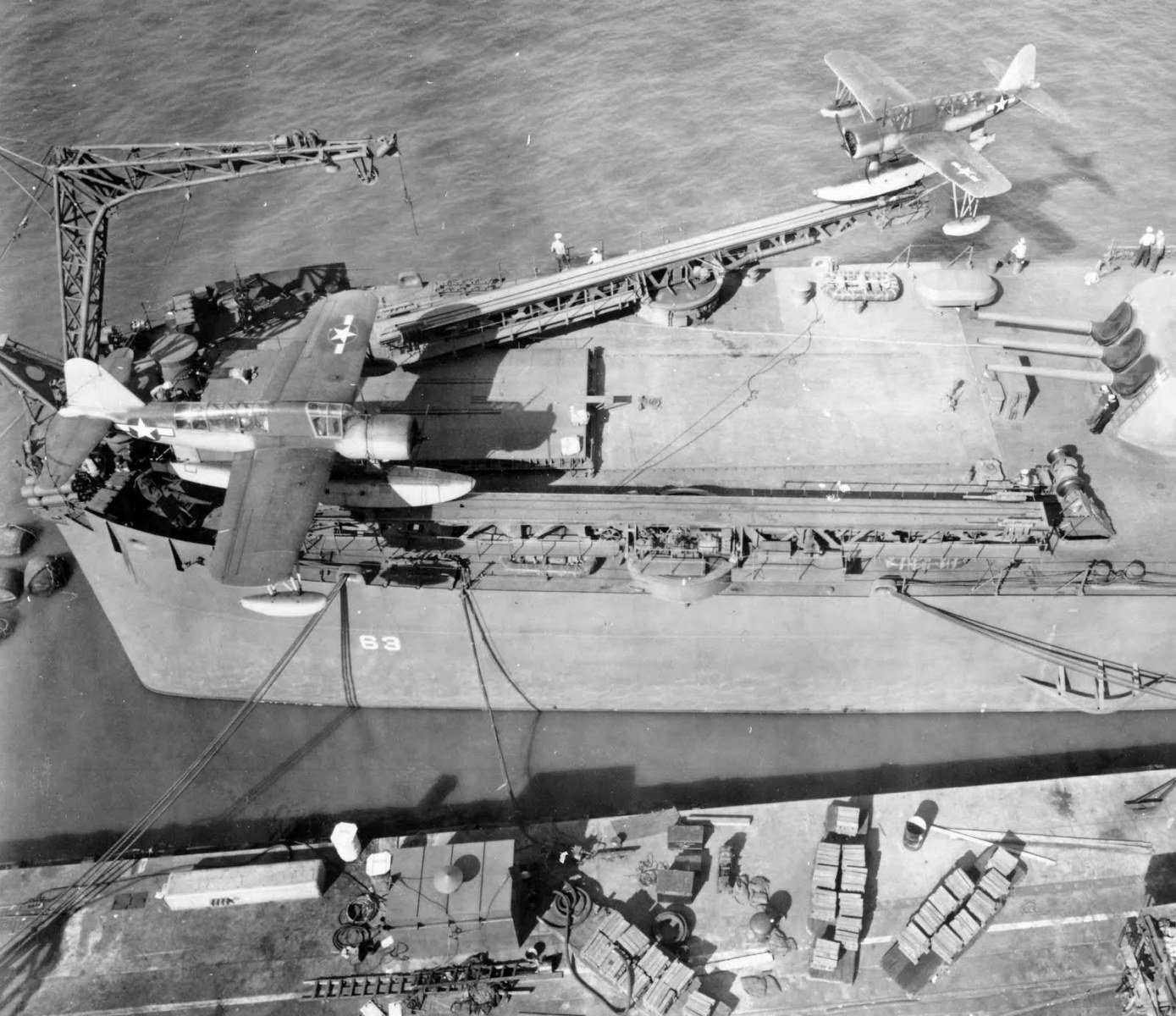

The Kingfisher was widely used as a shipboard, catapult-launched scout plane on U.S. Navy battleships, heavy cruisers, and light cruisers during World War II and played a major role in support of shore bombardments and air-sea rescue. Two examples showing the plane’s rescue capabilities include the recovery of World War I ace Eddie Rickenbacker and his crew from the Pacific in November 1942 and Lieutenant John A. Burns’ unique use of the aircraft on 30 April 1944 to taxi airmen rescued from Truk Lagoon to the submarine Tang, which was serving rescue duty near the atoll. In all, Burns rescued ten survivors on two trips and was awarded the Navy Cross for his efforts.
General characteristics
Crew: 2
Length: 33 ft 7.2 in
Wingspan: 35 ft 10.7 in
Height: 14 ft 8 in
Wing area: 261.9 sq ft
Empty weight: 3,335 lb
Gross weight: 4,980 lb
Max takeoff weight: 6,000 lb
Fuel capacity: 144 US gal
Powerplant: 1 × Pratt & Whitney R-985-AN2 Wasp Junior 9-cylinder air-cooled radial piston engine, 450 hp for take-off
Propellers: 2-bladed Hamilton Standard constant-speed propeller
Performance
Maximum speed: 171 mph at 5,000 ft
Cruise speed: 152 mph with 75% power at 6,000 ft
Landing speed: 55 mph
Range: 908 mi with 75% power at 6,000 ft
Service ceiling: 18,200 ft
Rate of climb: 960 ft/min at 4,000 ft
Wing loading: 19 lb/sq ft
Power/mass: 0.08 hp/lb
Armament
Guns: 1 fixed, forward firing .30 in M1919 Browning machine gun with 500 rounds and 1 .30 in M1919 Browning machine gun with 600 rounds.
Bombs: 650 lb of bombs or depth charges.